 Find a boiler pro
Best boiler temperature for a Vermont winter
A local pro who services boilers gets in touch about the tune-up.
Most boilers in Vermont run a water temperature set by whoever installed them, and it often doesn't match the house. Set it too low and rooms stay cold on the coldest nights. Set it too high and you're burning oil you didn't need to burn, which matters when the price of running anything on power or oil here is already steep.
The right setting depends on your system. A boiler feeding cast iron radiators wants different water than one feeding baseboard or radiant floor tubing. The size of the radiators, how the place was piped, whether there's an outdoor reset control already doing some of this work for you. None of that shows up by guessing at a dial.
This is where a local contractor earns their keep. Someone who services boilers around Vermont all winter has seen what these systems do when it drops below zero, and what setting actually keeps a house warm without running the boiler harder than it needs to. They can look at your specific setup, not a generic one, and tell you where it should sit.
Maintenance is where this gets checked properly. A tech can test your aquastat, confirm the boiler is firing at the temperature it's set to, and adjust it to match your radiators and your house rather than a number left over from whoever had the place before you.
If you'd rather have someone familiar with Vermont winters look at this directly, you can get matched with a licensed local contractor who works on boilers like yours. It's one contractor, not a handful calling you back, and they'll reach out once they have your details.
What should I set my boiler temperature to in the winter?
You want a number you can go set tonight, not a lecture. Most boilers get installed with the water temperature wherever the installer left it, and that's rarely tuned to your house. You're trying to find the setting that keeps rooms warm on a cold night without running the boiler harder than it needs to, especially with oil prices and electric rates what they are in Vermont.
170 to 180 degrees for most Vermont homes, lower if you have radiant floors
For a home with cast iron radiators or baseboard, 170 to 180 degrees water temperature is the range that holds rooms warm through a January night without the boiler short cycling. Radiant floor heat runs much cooler, often 100 to 120 degrees, because the floor itself is the radiator and a higher temperature would make it uncomfortable to stand on. The right number depends on how heat gets distributed through your house, not just the outdoor temperature. If your rooms are cold at 170, the problem usually isn't the setting. It's airflow, a radiator that needs bleeding, or a thermostat that's calling for heat the system can't deliver fast enough.
Why higher isn't always warmer
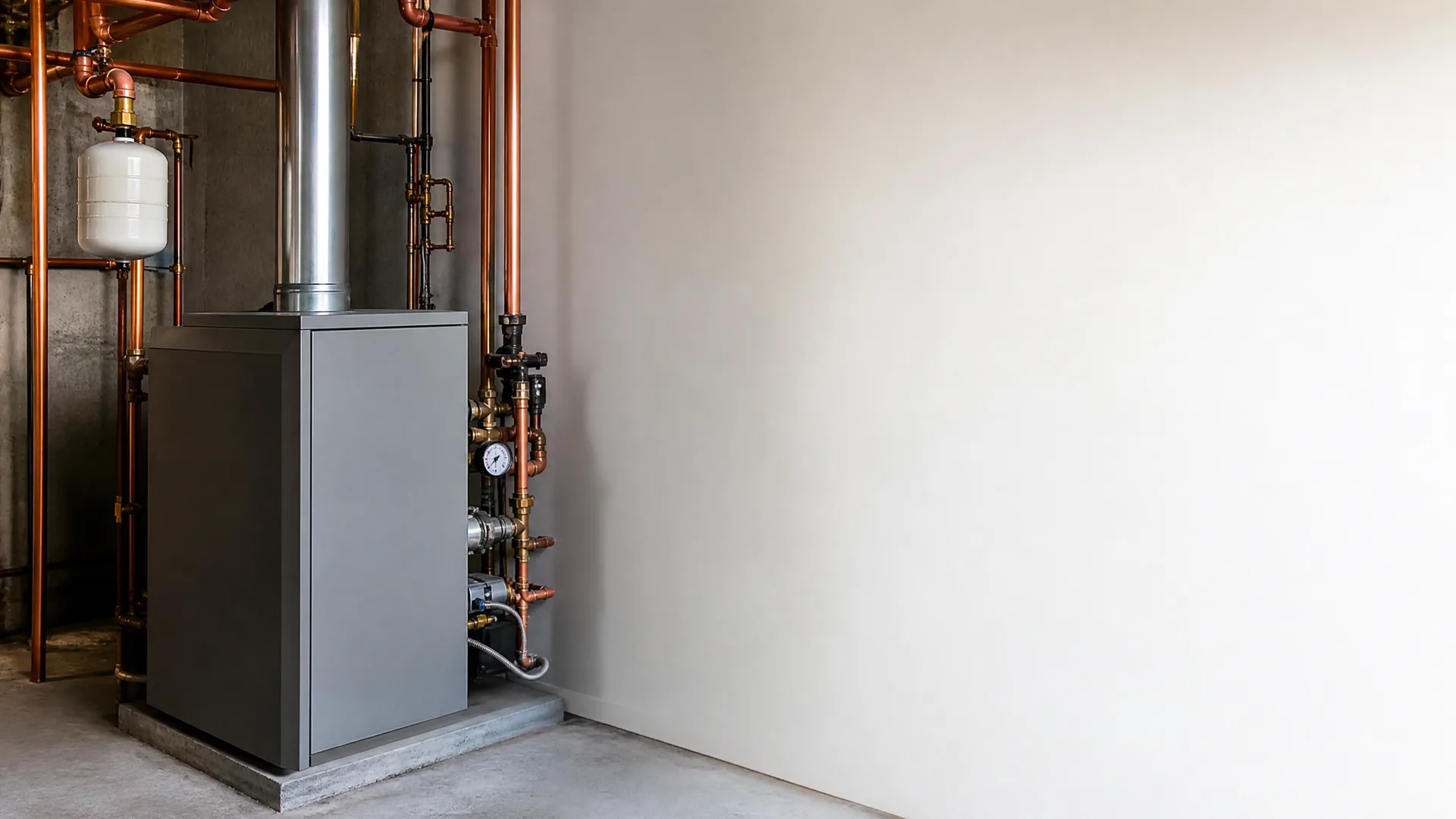
A boiler set too hot doesn't heat your rooms faster. The water runs hotter than your radiators or baseboards need to put out the heat your house is losing, so the boiler short cycles, firing and shutting off again before it's run long enough to burn oil efficiently. Each short cycle wears the igniter and the burner a little more. Dial the temperature down to what the room actually needs and the boiler runs longer, steadier cycles, which burns less oil for the same warmth.
What the outdoor reset does
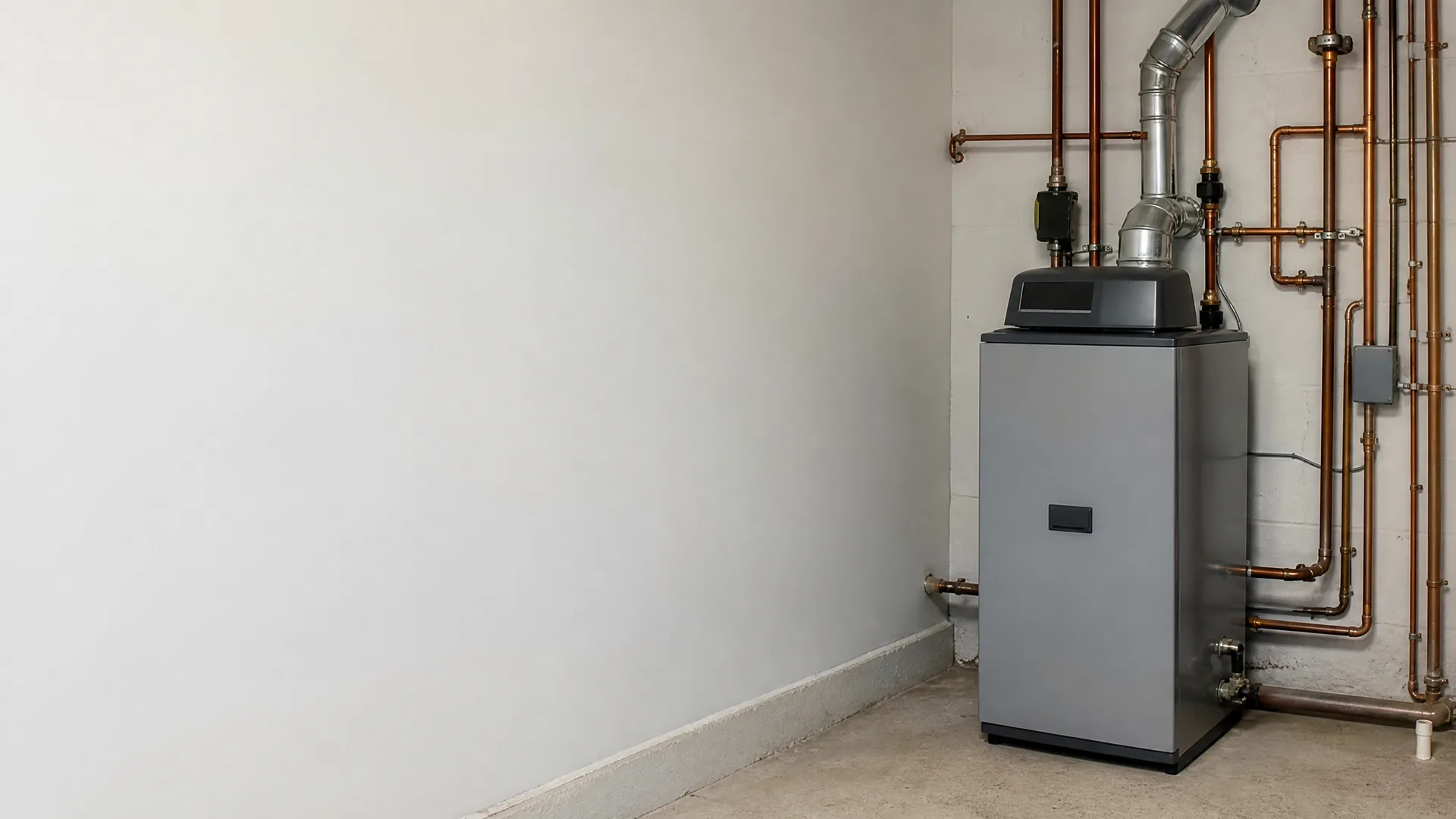
Many boilers installed in Vermont have an outdoor reset control, a sensor that lowers the water temperature automatically as it gets warmer outside and raises it as it gets colder. If yours has one, check that it's wired to an outdoor sensor and not just left on a fixed curve. A reset that's tracking outdoor temperature properly means you're not stuck choosing one number for a 20 degree night and a 40 degree night.
Winter nights average 12°F statewide
On a typical December or January night, your house has to hold its heat against air near 12°F outside. That's the stretch where your boiler's setting shows up on the bill, not in October or April when it barely has to work.
NOAA nClimDiv 1991-2020 county normals weighted by homes




Get your boiler to the right pro
A boiler running at the wrong setting all winter isn't something you notice right away. It shows up as a cold back bedroom, or an oil tank that empties faster than it used to, and by the time you notice either one, you've already paid for it. Guessing at a new number isn't much better than leaving it alone, because the right setting depends on your radiators or baseboards, your piping, how the house holds heat. That's a judgment call someone makes after looking at your system, not a number off a chart. A contractor who services boilers around Vermont all winter has seen what a given setup actually needs once the cold sets in, and what usually goes wrong when it's left untouched. Getting matched with one means a local contractor familiar with this equipment looks at your situation specifically, not a general answer. Worth sorting out before the next hard freeze, not after a week of running the boiler harder than it should have to.
Getting your setting right
- A water temperature matched to your radiators or baseboards, not just left where the installer set it, keeps rooms even without wasting oil.
- A boiler running the right setting all season still needs a look each year, since a stuck valve or a dirty burner can throw that setting off.
- You can check whether your rooms heat evenly and whether the boiler short cycles, but a tech who services boilers all winter will spot the cause faster.
- Matching you with one licensed contractor who works in Vermont and knows the oil boilers common here means no round of calls to sort through.
- The same setting that works for one house can be wrong for the next, depending on the radiators or baseboards already in place.
- A contractor who sees these systems every winter has usually already run into whatever's keeping your house from holding heat.
The right boiler temperature is the one that matches your radiators or baseboards, not whatever number the installer left behind years ago. Get that right and your rooms hold heat evenly through a cold Vermont night without burning oil you didn't need to burn. But a correct setting doesn't stay correct on its own. A stuck valve, a dirty burner, or a part wearing down can push a well-tuned boiler back into short cycling or uneven heat, even if nobody touched the dial. That's why the setting and a yearly look at the system go together, not one or the other.
You can tell a lot on your own. Walk the house and see if the back bedroom runs as warm as the rest. Listen for the boiler firing and shutting off too fast. But figuring out why takes someone who's inside these systems all winter, because the cause in your house might be the radiators, the near-boiler piping, or something in the burner that only shows up under load. A contractor who works on oil boilers across Vermont every season has usually already seen whatever's behind your specific problem.
When you ask to get matched, that's one licensed local contractor who knows the boilers common to this area, not a handful of companies competing for your callback. Someone who already knows what tends to fail in houses like yours can get to the right answer faster than a stranger starting from zero.

Boiler Maintenance
The right pro for this job

- Describe your boiler job, and a local pro who handles it gets in touch.

- Send the form and the boiler tune-up stops being something to remember.
- One request and finding someone for the tune-up is handled.

- Skip calling around to set up a boiler tune-up.
- One form instead of hunting for a pro who does boiler tune-ups.

- A licensed local pro takes the request for your boiler tune-up.
- Your request goes to one pro, not a list of companies.