
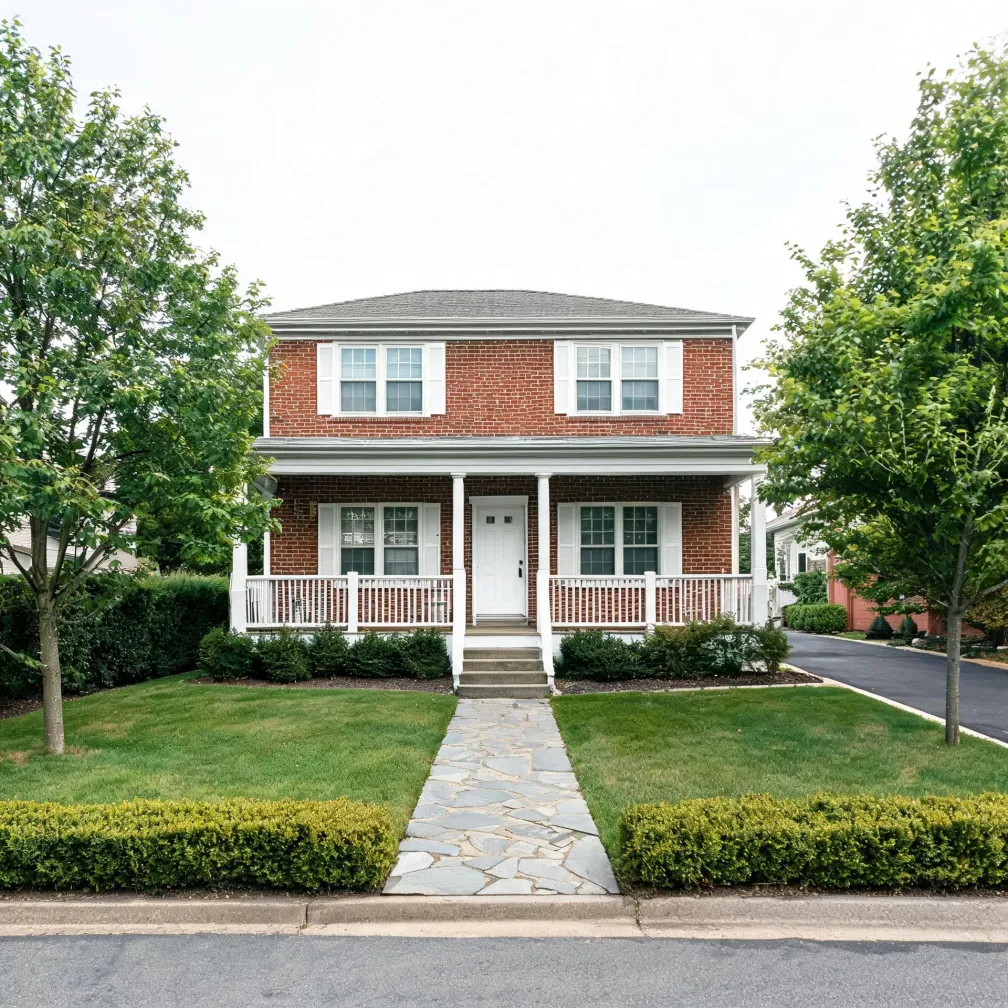
What Vermont homes are up against.
NOAA National Centers for Environmental Information, Storm Events Database, bulk CSV export, events 2015-01-01 through 2024-12-31. · U.S. Census Bureau, 2020-2024 American Community Survey 5-Year Estimates

A boiler's burner and ignition system do not get much rest in this state. Homes in Vermont run heat about nine months a year, from September through May. Working through a season that long, a system cycles repeatedly before it ever gets a sustained break, and the components that fire and re-fire on every call for heat are the ones that show poor installation first. A contractor quoting a boiler job here has to get the sizing right, because an undersized unit runs harder to keep up and an oversized one short-cycles, and either path accelerates wear on the parts that matter most.
A boiler quote in Vermont starts with what the contractor can see and open, not with what the listing says or what the previous owner remembers. Pipe runs, venting paths, and heat emitters all have to be checked against what a new system actually needs, and what looks serviceable from the basement door often tells a different story once the covers come off. Half the homes in Vermont were built in 1976 or earlier (2020-2024 ACS 5-year). That share of the stock carries plumbing and venting configurations built to codes that have been revised since, which means a contractor here sizes and specs from inspection findings rather than from assumptions about what is already in place.
Does your Vermont county put extra stress on your boiler?
2015–2024 · Source: NOAA National Centers for Environmental Information, Storm Events Database.
A boiler that runs through a Vermont winter faces more than cold. Heavy snow loads affect where equipment can be safely vented, ice accumulation puts pressure on exhaust and intake clearances, and freeze-thaw cycles stress piping runs that were sized without local conditions in mind. Where your county sits in this ranking shapes what a properly specified installation looks like. The licensed contractor you are matched with knows that picture and sizes and positions the system to match it.
Vermont Boiler Contractor License Requirements
Vermont sets its own licensing rules for boiler and HVAC work, and the provisions below come directly from state sources rather than a paraphrase of them.
Vermont splits the trade across two specialty licences and a contractor may hold one without the other: field A1 covers automatic gas or oil heating including geo-thermal and ground source heat pumps, and field C3 covers refrigeration or air conditioning including air-to-air heat pumps.
A state license for this trade determines who is legally permitted to perform this work on your property. Unlicensed work carries real consequences for a homeowner, including liability and permitting problems that surface later. The contractors this site routes requests to hold the license these provisions describe, and that requirement is the filter every request passes through.
See the source provisions2 provisions
Vermont splits the trade across two specialty licences and a contractor may hold one without the other: field A1 covers automatic gas or oil heating including geo-thermal and ground source heat pumps, and field C3 covers refrigeration or air conditioning including air-to-air heat pumps.
Vermont reaches HVAC work through its electricians’ licence rather than an HVAC licence, and the requirement stops at the front door of a house: anyone performing electrical work in Vermont must be licensed as an electrician unless the work is in a residential building containing two or fewer dwelling units.