Boiler pilot light keeps going out in Vermont

Step 1 of 3: Equipment

Why does my boiler's pilot light keep going out?

A pilot light that won't stay lit usually means something is wrong beyond just needing a relight. If yours has gone out two or three times this month, especially once the oil burner starts cycling more with the cold, that's worth paying attention to before you're stuck without heat on a January night.

A weak thermocouple or a draft problem is usually why

A pilot that keeps dying almost always points to the thermocouple, the small sensor that tells the gas valve the flame is lit. Once it wears out, the valve shuts the gas off as a safety measure even though the pilot was burning fine seconds before. A draft from a nearby vent or a chimney that isn't drawing right can blow the flame out too, especially in an older boiler room. Either way, this isn't something to keep relighting week after week. A boiler that shuts itself down is doing what it's supposed to do, and ignoring it just means colder rooms and more relights until a contractor looks at what's actually failing.

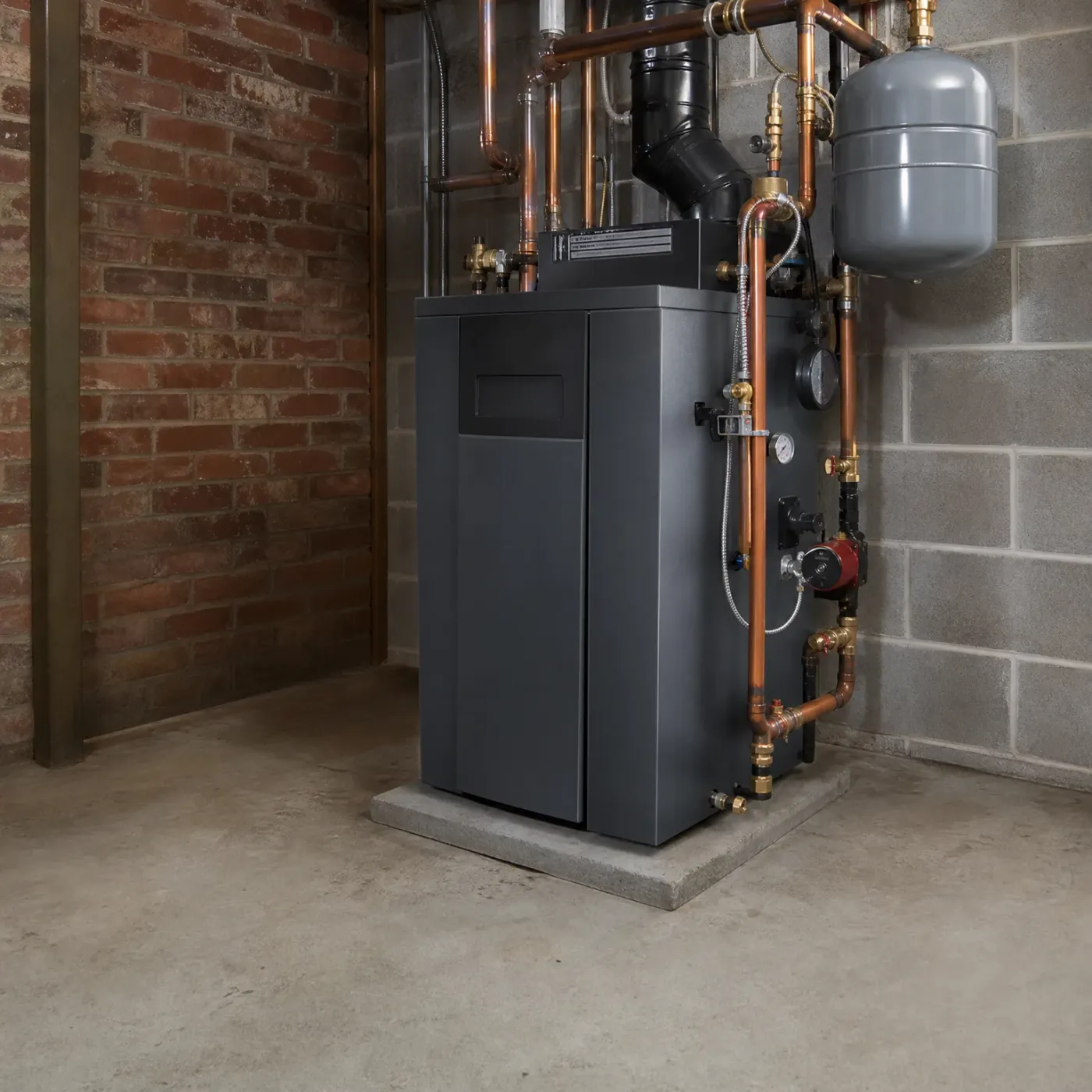
A dark gray floor-standing boiler on a concrete pad in a basement, connected to copper piping, valves, a circulator pump, a gauge, a black flue pipe, and a gray expansion tank, with a brick wall on the left and concrete block wall behind.

Pilot Staying Lit

A good pilot burns steady, a small blue cone with a clear tip. The thermocouple or flame sensor reads it, keeps the gas valve open, and the boiler fires when your thermostat calls. No smell of gas near the unit, no soot around the burner.
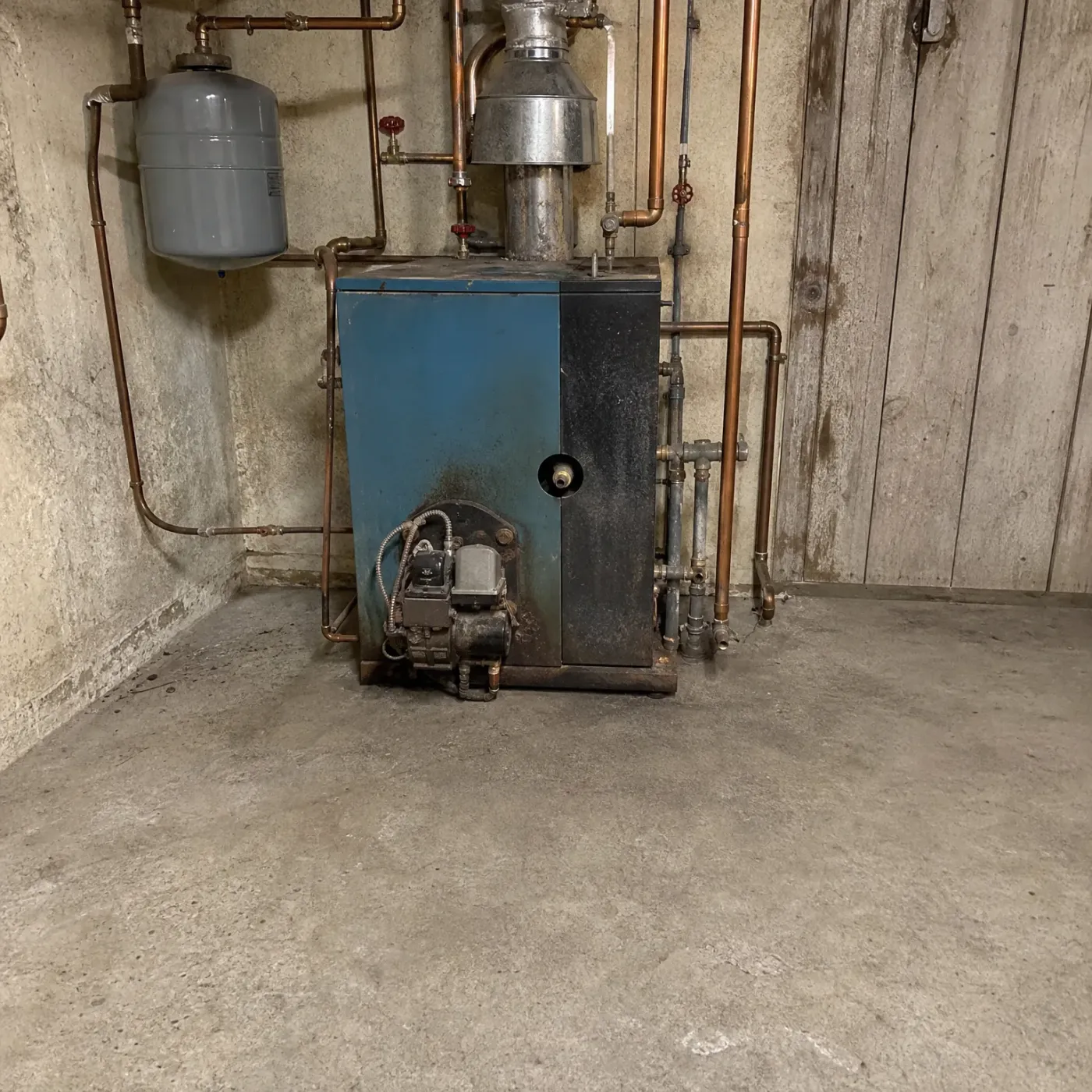
A blue and black boiler with a burner unit, flue, expansion tank and copper and steel piping stands on a concrete basement floor against a concrete wall and wooden plank partition.

Pilot Going Out

A weak or wandering flame won't hold the sensor's reading, so the valve shuts the gas off as a safety measure. You may see soot staining near the burner door or notice the flame leaning away from the thermocouple instead of wrapping around it.

Thermocouple or Venting Problem

Thermocouple

  • A thermocouple is a straight metal rod sitting in the pilot flame, and it wears out after years of heating and cooling each time the pilot cycles.
  • If the tip has gone from a sharp point to something rounded or coated in soot, it's likely not reading the flame right anymore.
  • Replacing it usually settles the problem for good, since it's a simple part doing one job.
  • Cost stays low here, and most heating techs carry a replacement on the truck.
  • If the pilot relights fine and then goes out again within a day or two, this is the first part worth checking.

Draft or Venting

  • Vermont wind off a hillside or a gusty night can push air down the flue and snuff the pilot out.
  • This shows up more in older farmhouses and homes with a chimney that isn't lined for the boiler's draft.
  • A loose barometric damper or a vent pipe pulling away at a joint lets outside air in where it shouldn't.
  • Unlike a bad thermocouple, this won't show a pattern tied to how long the pilot's been burning.
  • Fixing it means resealing or adjusting the venting, not swapping a part inside the boiler itself.
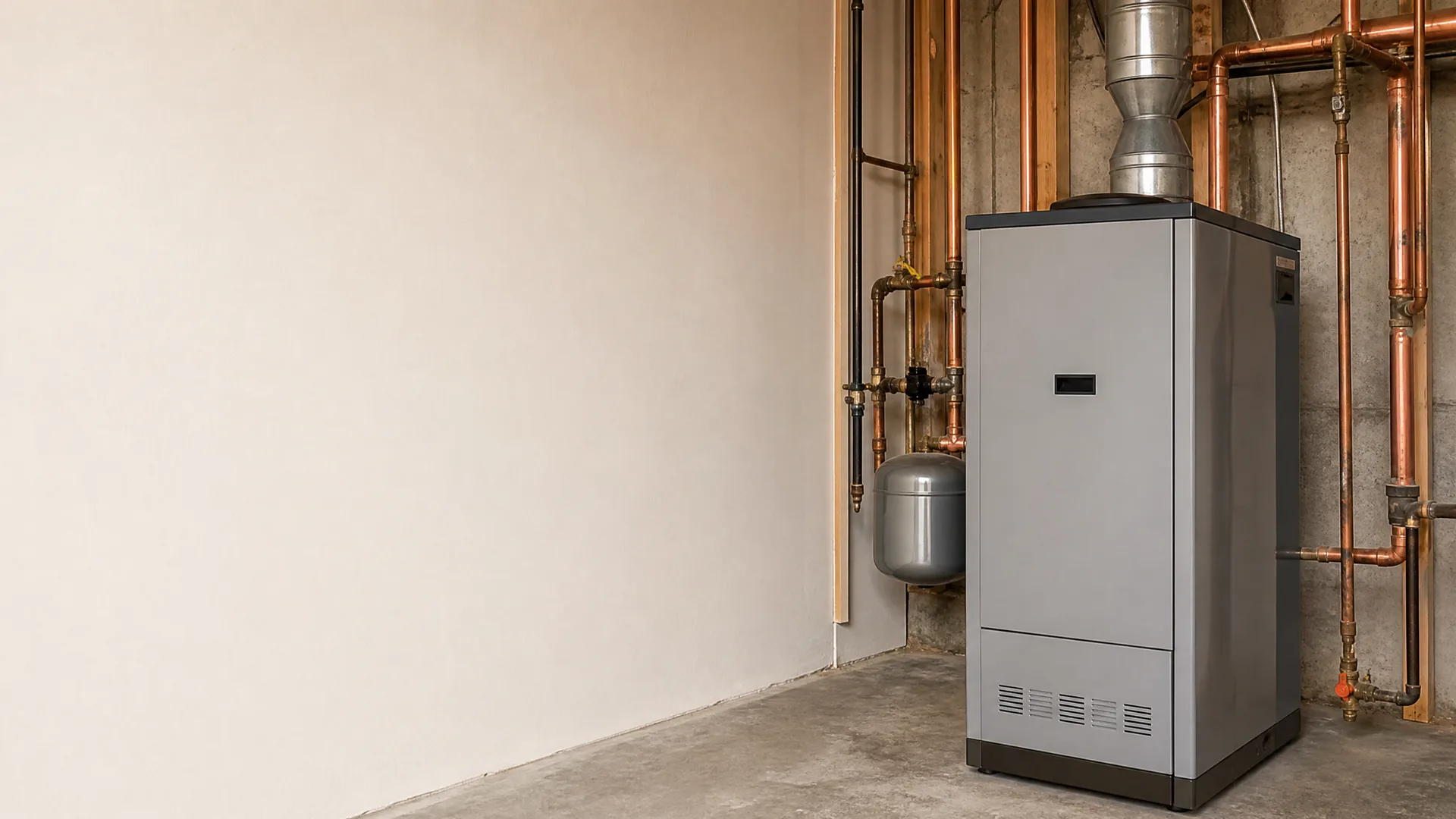
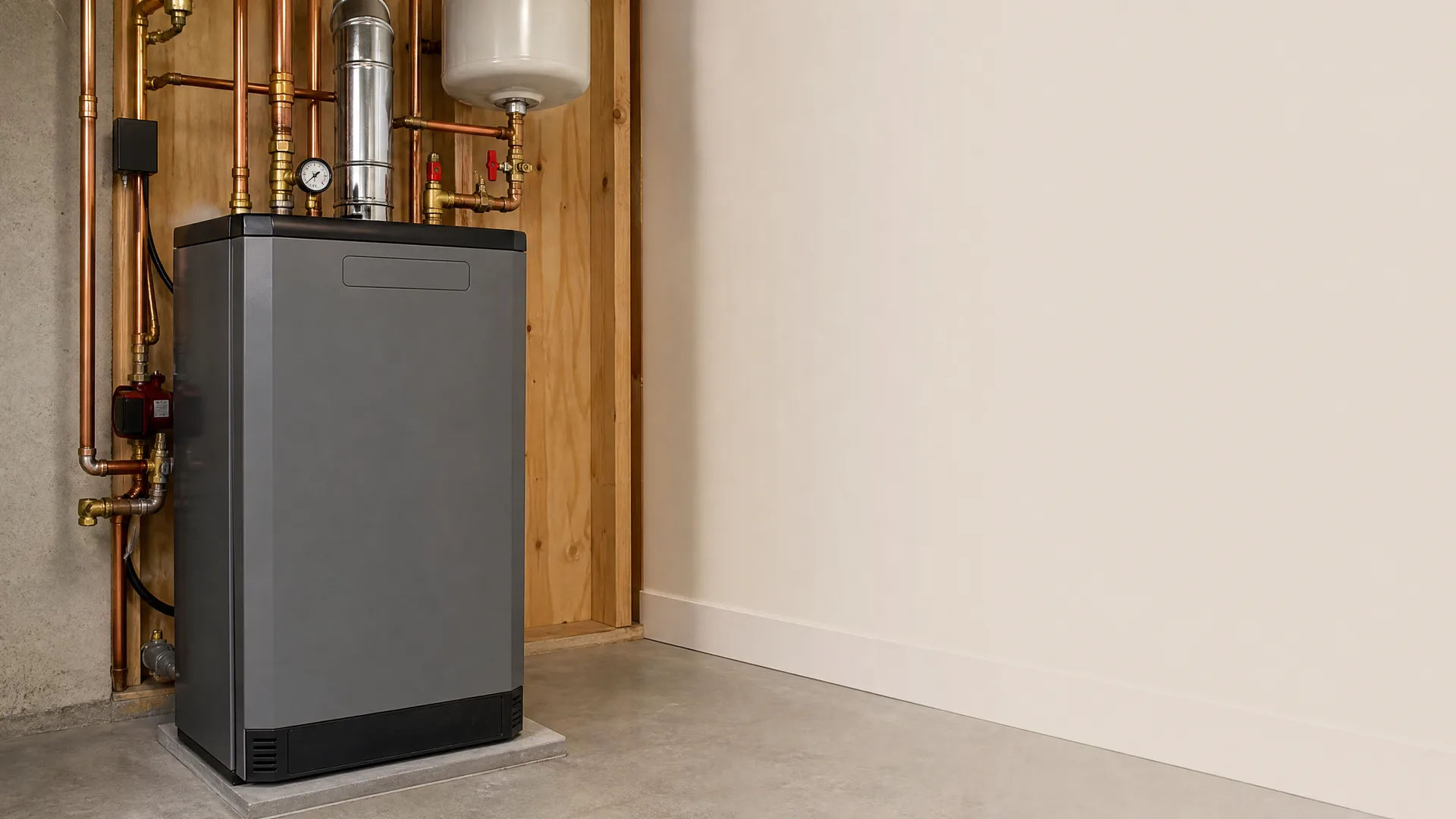
A dark grey floor-standing boiler on a concrete floor in front of a plywood wall, with copper pipes, valves, a pressure gauge, a flue pipe and a white expansion tank above it, beside a plain light-coloured wall.

Why a draft makes it worse

A boiler room with a cold air leak, a door left open to the basement stairs, or a nearby window will pull air across the pilot. Oil burners draw combustion air from the room, so a drafty spot near the unit competes with the pilot for that air. If the pilot only goes out on the coldest nights, check for a draft before you assume the thermocouple is bad.

A gray boiler unit with a metal flue pipe stands in a basement corner, surrounded by copper piping and an expansion tank against a plain light wall and concrete floor.

What a dirty pilot tube does

The small tube that carries gas to the pilot can clog with soot, especially in a boiler that's been cycling hard through a Vermont winter. A partly blocked tube starves the flame, so it burns small and leans, and a weak flame doesn't hold the thermocouple hot enough to keep the gas valve open. The flame should stand about a half inch tall and touch the thermocouple directly.

Is this just a pilot that needs relighting, or something more?

Relight it and watch. If it holds for weeks, that was likely a draft or a low moment in the gas supply. If it goes out again in a day or two, the part reading the flame is failing, and relighting it each time is just delaying the repair. You might notice the flame looks smaller or more yellow than it used to, or you smell a faint trace of gas near the boiler when it's out. With oil heat carrying most of the load here, a boiler that won't hold pilot on a cold night leaves you without backup heat and without hot water if the boiler handles that too. Left alone, a worn thermocouple usually fails the same way again, not less often.

A smiling man in a dark navy sweater sits on a light sofa in a living room, with a glass bowl of popcorn on a wooden coffee table and bookshelves behind him.
A smiling man in a dark green sweater sits on a tan leather sofa in a dimly lit living room, with a bowl of popcorn in the foreground and a kitchen area blurred behind him.
A smiling middle-aged man in a dark shirt sits on a gray sofa in a living room, with a bowl of popcorn on a side table and shelves, a window and kitchen area behind him.
A smiling bearded man in a dark gray t-shirt sits on a gray couch in a living room, with a large glass bowl of popcorn on a wooden table in the foreground.
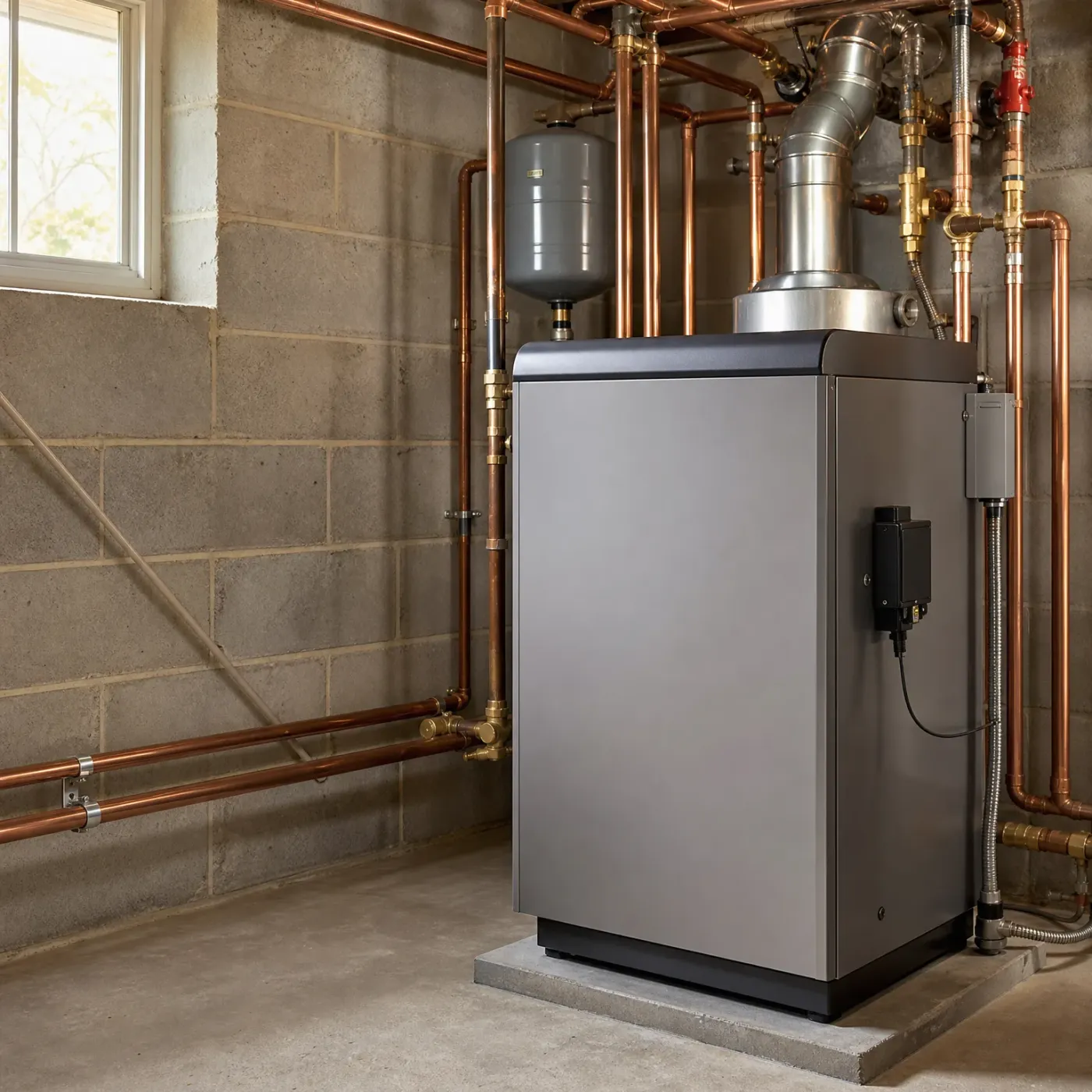
A gray floor-standing boiler on a concrete pad in a basement with concrete block walls, connected to copper piping, a flue vent, and an expansion tank.

A pro who works on boilers

Send the request today and stop worrying about who to call.

Describe your boiler job, and a local pro who handles it gets in touch.

Find my pro

You're not committing to anything by asking.

A dark gray floor-standing boiler in a concrete-walled basement, connected to copper piping, circulator pumps, a gray expansion tank, and a cream-colored storage tank to the left.
A boiler that's holding its heat keeps every pipe and pump in that room doing its job, no relighting needed.
A gray residential boiler with a metal flue pipe stands in a concrete-block basement corner, surrounded by copper piping, valves and a gray expansion tank.
A flue pipe this size and a pilot that won't hold both point to the same thing: the unit needs a look before another cold night in Vermont.

What's Actually Reading the Flame

  • Gas valves made since the 1990s often use a thermocouple paired with a redundant safety switch, not just the rod alone.
  • A thermocouple generates less than one volt, barely enough to hold the valve open on its own.
  • Dirt or a cracked seal on the pilot orifice starves the flame of gas before the thermocouple ever fails.
  • A pilot flame that lifts off the orifice or burns sideways won't heat the thermocouple tip evenly.
  • Some boilers use a thermopile instead of a single thermocouple, wired to power a gas valve with more draw.
  • Bending the thermocouple back toward the flame sometimes buys a few weeks, but it's not a fix.

The thermocouple is a simple piece of metal, but what it does is narrow. It sits in the pilot flame and generates a small electrical signal, under a volt, that tells the gas valve to stay open. That's all it does. It doesn't ignite anything and it doesn't sense gas, only heat. On older setups that's the whole safety system. On gas valves made since the 1990s, there's usually a second part working alongside it, a redundant switch that has to agree the flame is present before gas flows to the main burner. Either part can cause the same symptom: a pilot that won't hold.

The flame itself matters as much as the metal reading it. Gas reaches the pilot through a small orifice, and if that orifice is dirty or the seal around it has cracked, less gas gets through than the pilot needs. The flame burns smaller, or it lifts slightly off the orifice, or it leans to one side instead of standing straight. Any of those keeps the thermocouple tip from sitting fully in the heat. It reads a weaker signal than it should, even though the metal itself is fine.

Some boilers use a thermopile instead, several thermocouples wired together to produce more power for a valve with a stronger draw. The symptom looks identical from the pilot window. Bending the rod closer to the flame can make it read hot enough to pass for a while, but it doesn't address why the flame weakened in the first place.

A woman in a dark gray sweater reclines on a light sofa with eyes closed and a slight smile, under a textured gray blanket with an open book resting on her lap, with a lit table lamp and plant in the background.
A smiling bearded man in a navy crewneck sweater sits at a dinner table with a glass of red wine, plates and glasses in the foreground, in a dimly lit room with a lamp and framed picture behind him.

Relight and it holds

If the pilot stays lit through a cold night and into the next week, the burner is drawing steady gas and a clean flame. Nothing more to check yet.

Get a boiler pro

Out again within days

A pilot that won't hold past a day or two points to a worn thermocouple or a draft that won't quit. Worth having someone look before the next cold snap.

Get a boiler pro
A gray boiler on a concrete pad in a basement with painted concrete block walls, copper piping, a metal flue, and electrical control boxes.
Before you get your boiler repair
A gray boiler with a metal flue pipe stands in a basement against concrete and concrete-block walls, connected to copper piping, a circulator pump, and two gray expansion tanks.
After you get your boiler repair
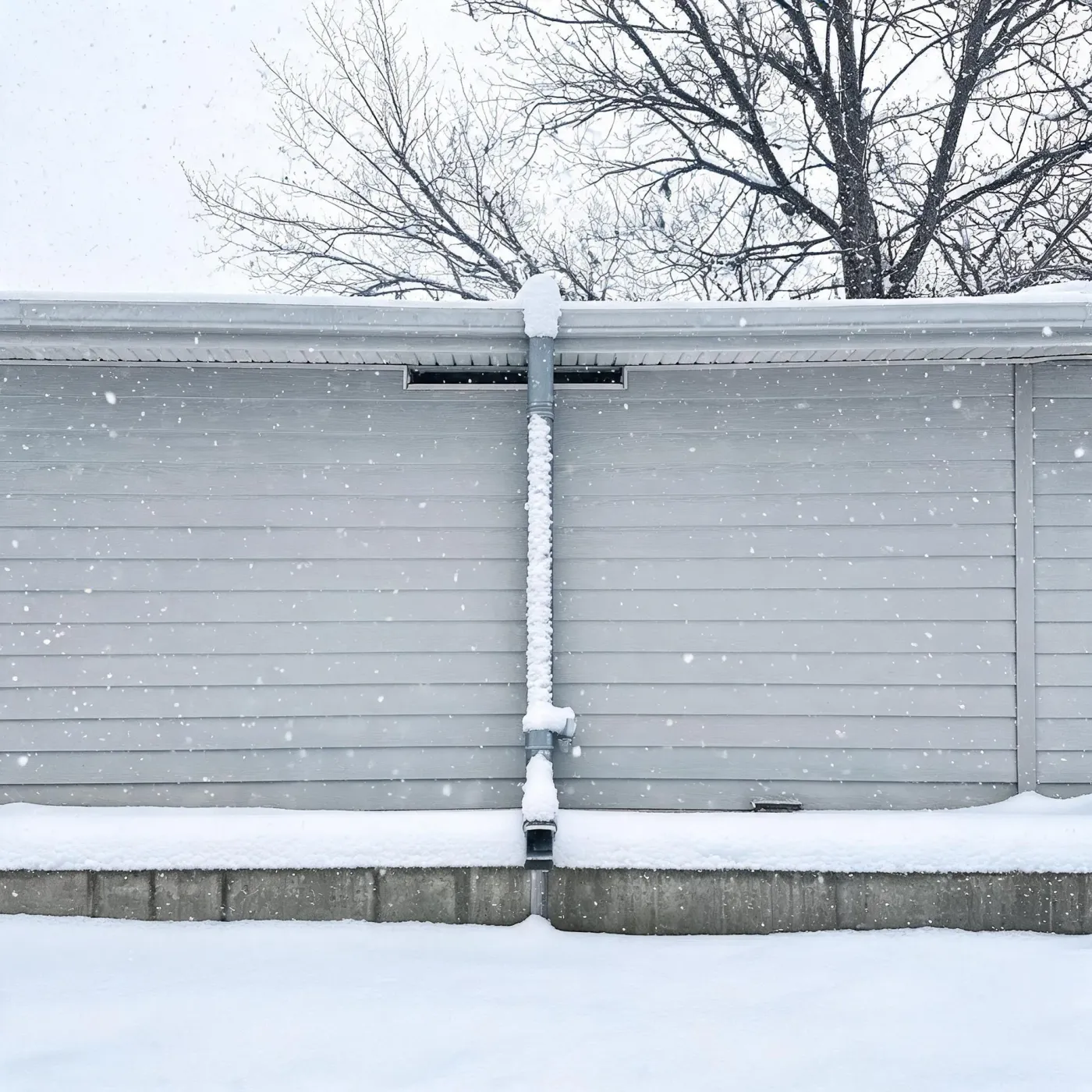
Exterior wall of a building with light gray horizontal siding and a snow-covered downspout running down its center, with bare trees behind the roofline and falling snow over deep snow on the ground.

Vermont winter nights average 12°F across the state, according to NOAA climate data. That kind of cold is exactly when a weak pilot shows its trouble. A boiler that holds a steady flame on a mild 30-degree evening can still drop out once the room temperature falls hard overnight, because the burner is cycling longer and pulling more combustion air to keep up. If your pilot has only been going out on the coldest nights, that's not a coincidence. A marginal thermocouple or a draft near the unit gets exposed right when you need the heat most, and you'll notice it as a cold house at 3 a.m. instead of a minor annoyance you can put off.

NOAA nClimDiv 1991-2020 county normals weighted by homes

A woman in a cream cardigan and jeans stands with one hand raised facing an open front door of a gray horizontal-siding house, with a black lantern wall light, a potted shrub with yellow flowers, and a stone-faced porch column.

A boiler that won't hold its pilot costs you more than a relight

A pilot that keeps dying means the boiler shuts off, and when it's off, the oil burner isn't firing either. On a night near zero, your house loses heat fast, and the pipes feeding your radiators or baseboards are the first thing at risk if the place goes cold enough for long enough. That's not a reason to panic over one missed night, but it's why a pilot that's failed three or four times this month is worth more than a lighter and a few minutes of patience.

There's also what it does to your oil use. A burner that won't stay running cycles harder once it does catch, trying to make up the heat it lost while the pilot was out. With power costs in Vermont among the highest anywhere, you're not just losing comfort on the nights it goes dark, you're paying for the recovery too. Once you send in what's going on, the search for someone qualified to look at it stops being on you. A contractor who knows these systems gets matched to your situation and reaches out.

Interior corner of a room with a window and sheer curtain at left, a gray upholstered sofa with a cushion at right, and a round wooden table holding stacked books and a round vase with an olive branch.
A gray boiler unit on a concrete pad in a basement corner, connected to copper piping, valves and a metal flue against painted concrete block walls.

Running the way it should

That copper and brass work by the unit, the expansion tank, the flue duct rising to the chimney, all of it doing its job quietly. The pilot holds, the burner fires when your thermostat calls, and nobody in the house thinks about the basement at all.

A blue oil-fired boiler with a burner unit sits on a concrete pad in a basement corner, with copper piping, valves and a gray expansion tank overhead against concrete block walls.

An old boiler losing ground

This one's seen plenty of winters, and it shows. Black iron and copper pipe feed a unit that's painted over old rust. A pilot that won't hold on a boiler this age is worth having looked at before the next cold stretch.

Winter nights average 12°F statewide

At 12°F overnight, your boiler's burner is calling for heat almost constantly to keep up. That's more pilot cycles, more chances for a weak thermocouple or a draft near the unit to let the flame drop out right when you need it most.

NOAA nClimDiv 1991-2020 county normals weighted by homes

A pilot that keeps going out isn't something to keep relighting all winter. Either the thermocouple is worn and needs replacing, or a draft near the unit needs tracking down and sealing off, and both are quick work for someone who does this regularly. You don't have to figure out which one it is before you call. Send the form and the work of finding someone who services boilers in Vermont stops being yours to carry. A contractor who knows oil-fired systems and this cold will reach out, look at the thermocouple, the pilot orifice, and whatever's pulling a draft through that room, and tell you straight what's wrong. Until then, relighting it gets you through tonight. Getting it fixed means you stop thinking about the pilot at all, on the nights it matters most.

A lit ceramic table lamp with a linen shade sits on a round wooden side table with a small vase of greenery and a dark shallow bowl, beside a beige upholstered sofa with a cushion and knit throw, below a framed artwork on a pale wall.
Corner of a beige linen sofa with a large woven cushion and a fringed knit throw, beside a potted leafy tree in a woven basket against a neutral wall.
Sunlit interior corner with a wood-framed armchair with beige cushions and a striped pillow, a leafy plant in a tall ceramic pot, a window with wood sill showing green foliage outside, and dark wood flooring.
A lit black path light beside a stone walkway leading to a dark front door of a white clapboard house, with shrubs and flowering plants in the bed at dusk.
A covered porch at dusk with a wooden front door, a lit lantern wall sconce on gray horizontal siding, a black rocking chair with a cream throw, a potted white flowering plant, a coir doormat, and a window showing a lit interior lamp.

The right pro for this job

Send it once and finding someone is no longer on you.

Connect with a pro

No charge to send it. You decide if you hire them.