Matched to your boiler job
What size boiler a Vermont home needs
Boiler size comes down to your house, not a chart: square footage, insulation, how many rooms need heat, and the fact that most Vermont homes run on oil. Get the size wrong and you pay for it all winter, either in comfort or in fuel. This page walks through what sizing actually depends on, and skips the usual round of calling contractors and repeating yourself for quotes.
Get a local proThere's no single boiler size for a Vermont home. It comes down to a heat loss calculation, the math a contractor runs on your specific house: square footage, how many windows you have, how much insulation is in the walls and attic, and how cold it gets on the worst night of the year. Two houses on the same street can need different sized boilers if one has been insulated and the other hasn't. A boiler sized by square footage alone, or matched to whatever was there before, often ends up wrong. Too big, and it short cycles, burning more oil than it should and wearing out sooner. Too small, and it runs flat out on the coldest days and still can't keep the house warm. The only way to know the right size is to have someone measure your house, not guess at it.


A contractor works out how much heat your house loses every hour, in BTUs, based on your walls, windows, roof, and the coldest temperature your area sees. That number sets the size. Go bigger than that number and the boiler fires up, satisfies the thermostat fast, and shuts off again and again rather than settling into a long steady burn. That short cycling burns more oil than it should and puts more wear on the parts that start and stop it. Go smaller and the boiler never gets a break on a cold January day. It runs nonstop and the rooms farthest from it still don't get warm. The length of baseboard and the number of radiators in the house also factor in, since whatever size is chosen has to push enough heat through every zone, not just the ones closest to the boiler. Get the size right and the boiler spends most of the winter running low and steady, which is where a boiler is supposed to live.
Sizing by heat loss, not guesswork
- A contractor calculates heat loss in BTUs per hour, adding up losses through walls, windows, and roof at your area's design temperature.
- An oversized boiler short cycles, switching on and off instead of running a long steady burn, which wastes oil and wears the parts faster.
- An undersized boiler runs constantly on the coldest days and still can't bring the far rooms up to temperature.
- Radiators and baseboard length matter too, since the boiler has to supply enough heat to move through every zone in the house.
- A boiler that's sized right spends most of a Vermont winter running at a low, steady fire rather than cycling hard or straining.
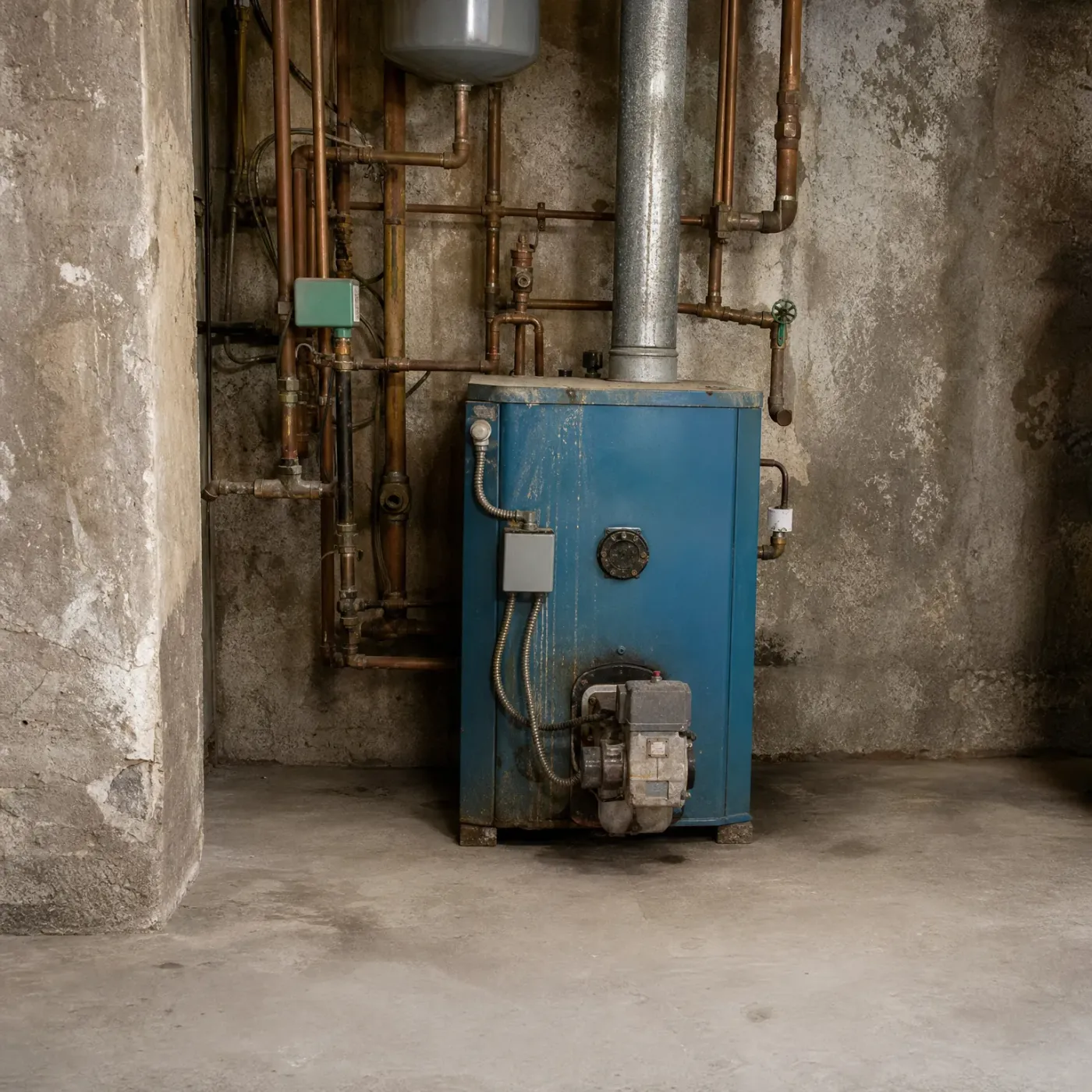
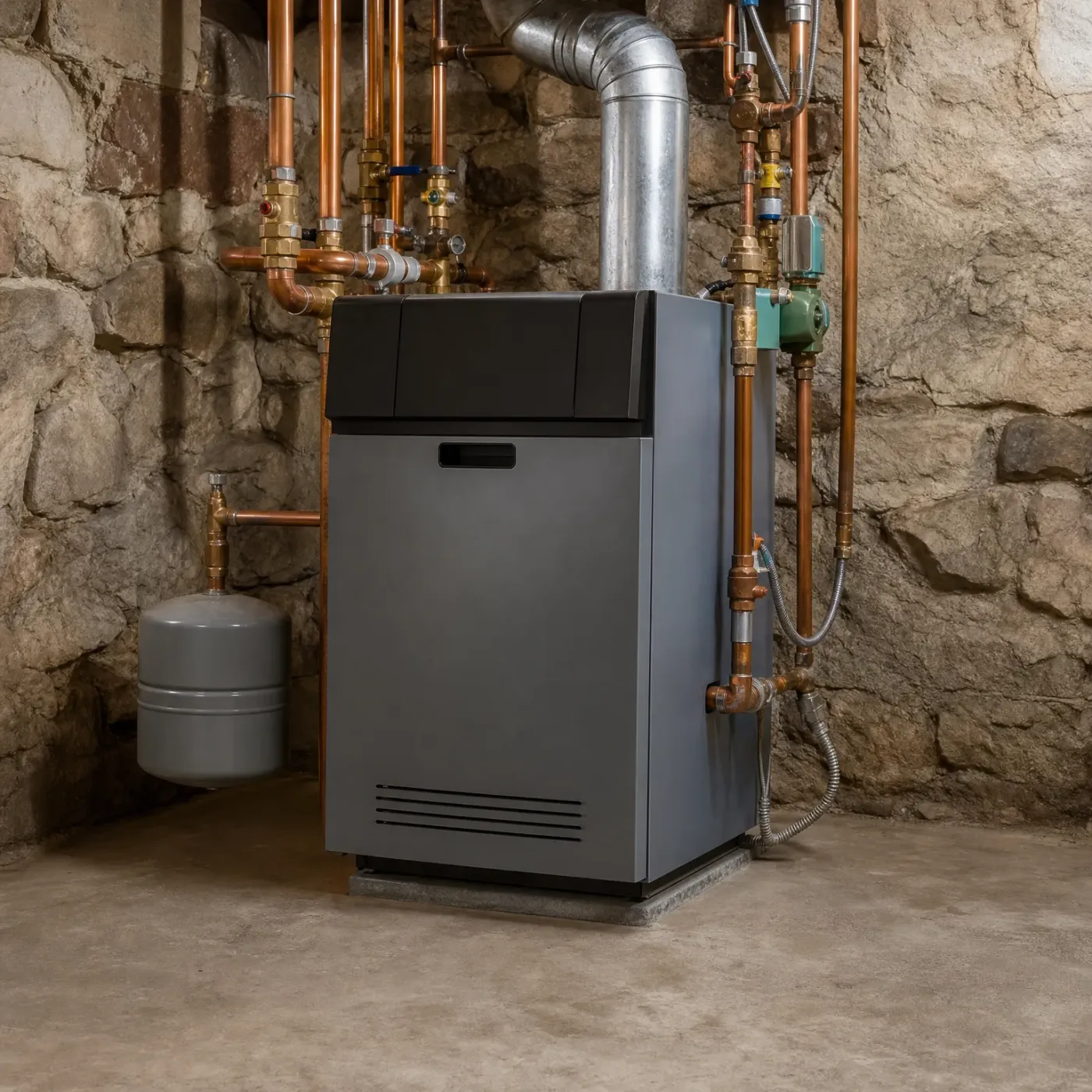
A contractor measures every room and window in your house.
They pull your design temperature from Vermont's coldest stretch.
They add up BTU losses through walls, roof, and glass.
That total becomes the boiler size they install.
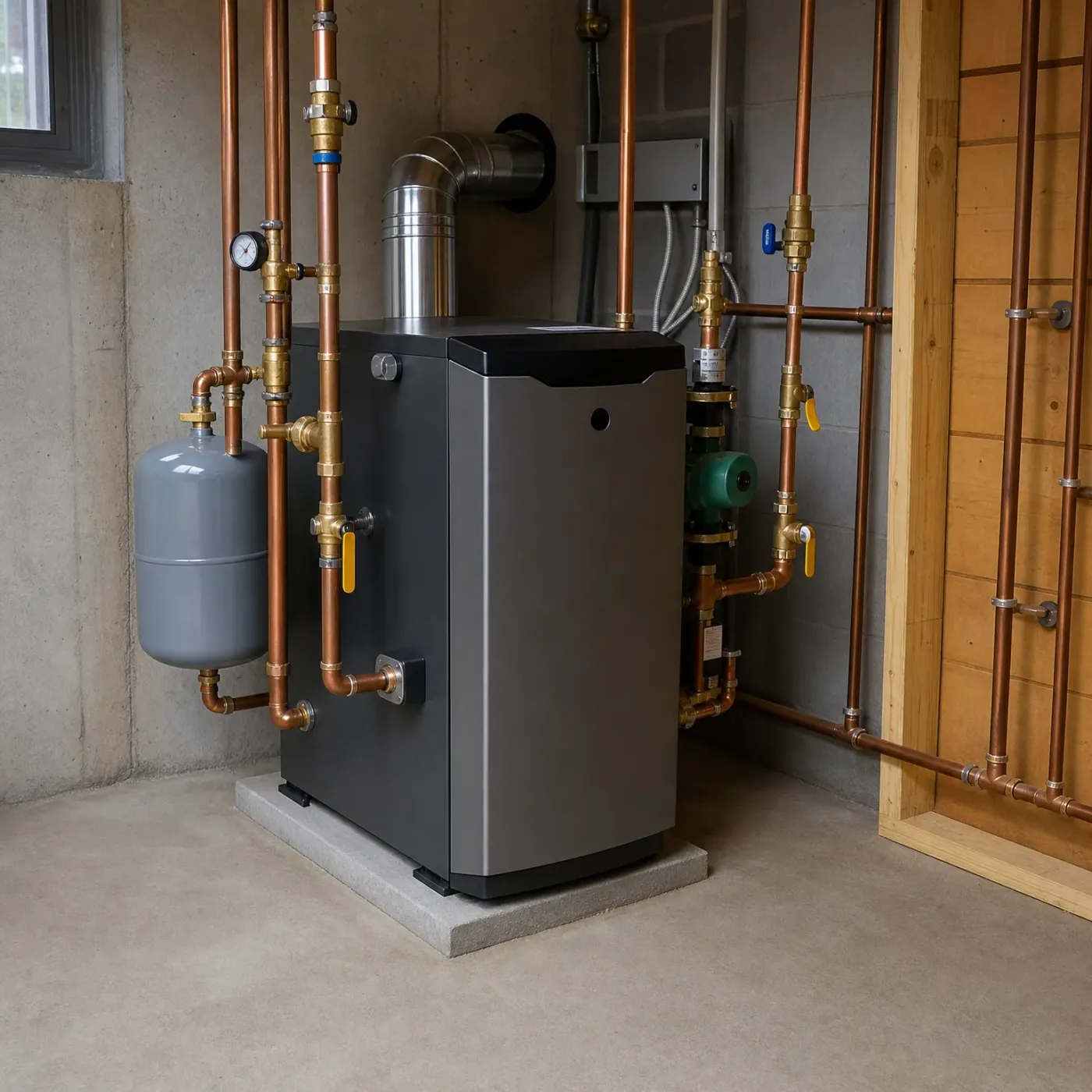
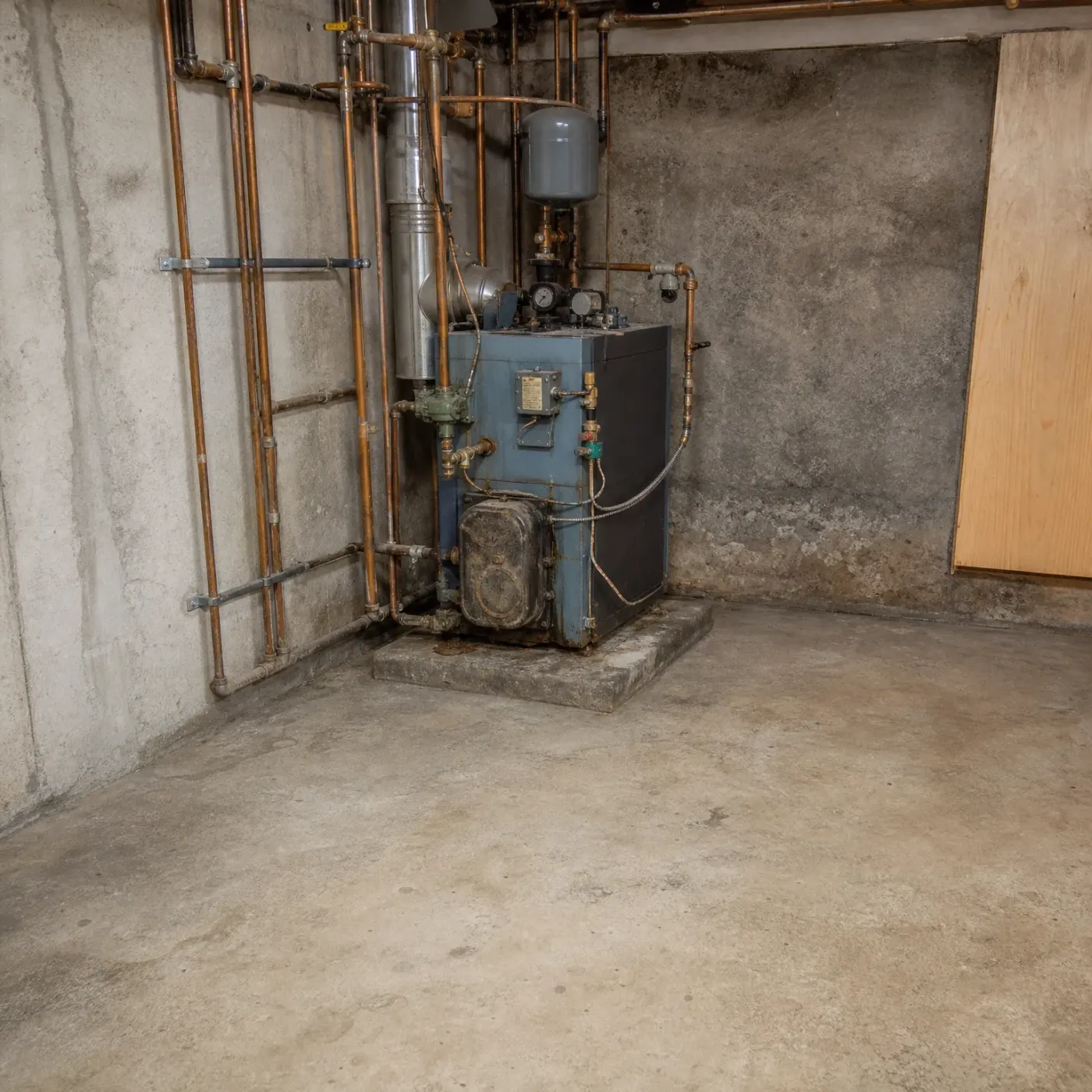
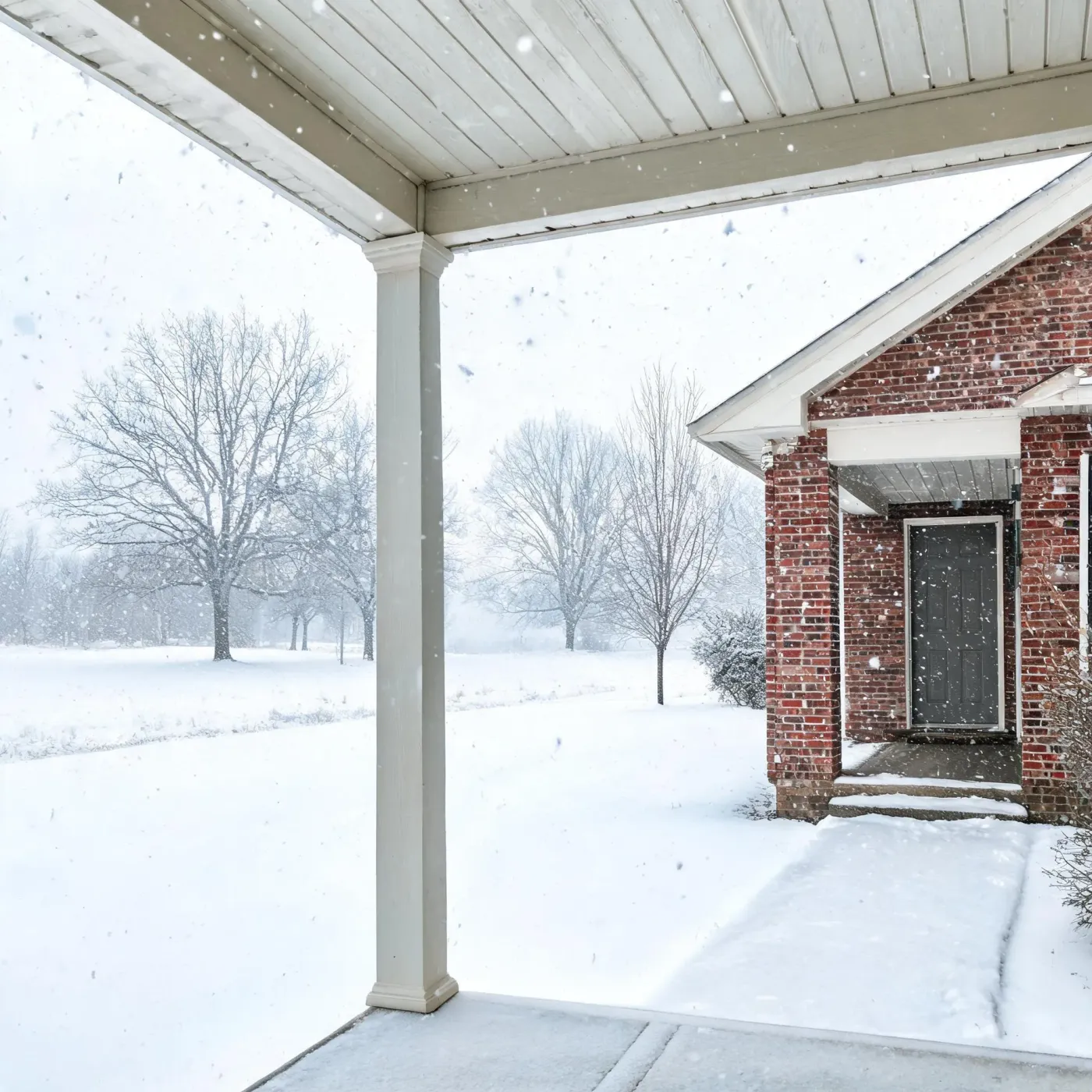
Statewide, winter nights average 12°F, according to NOAA climate data. That's the kind of cold a boiler sized by guesswork can't keep up with. On a night that cold, an undersized boiler runs flat out and still loses ground, and you'll feel it as rooms that won't come up to temperature or a thermostat that never stops calling for heat. A properly sized one just keeps burning steady through it. Since oil is what most Vermont homes run on, and power here costs more than almost anywhere else, getting the size wrong on a night like that costs you in fuel burned for comfort you're still not getting. Instead of calling around and describing your house to one contractor after another, you get matched with one who sizes it off your actual home.
NOAA nClimDiv 1991-2020 county normals weighted by homes
A boiler pro near you
Getting the size right means a contractor has to walk your house, measure the rooms, and run the math against a Vermont winter night. That's not something you figure out from a brochure or a size chart taped to a boiler in a showroom. It takes someone who knows how oil systems behave here, where a 12°F night is normal and the wrong size boiler either burns through fuel short cycling or can't keep the back bedroom warm. Finding that person usually means calling a handful of contractors, explaining your house and your heating setup to each one, waiting on their schedules, and then trying to compare quotes that aren't even for the same size system. That's the part worth skipping. Your house still needs the same careful look either way, the walls measured, the windows counted, the heat loss worked out room by room. What you don't have to do is chase down who's going to do that work for you.
The Right Size, Once
- The right boiler size for your house comes from a heat loss calculation, not a chart or a rule of thumb.
- That math accounts for your square footage, your insulation, your windows, and Vermont's coldest nights.
- An undersized boiler runs flat out on a 12 degree night and still loses ground in the rooms farthest from it.
- An oversized boiler short cycles, burning more oil than it should and wearing out parts sooner.
- Getting the size right once means steady, even heat through an oil-heated Vermont winter.
- A contractor who walks your house and runs the numbers is the only way to land on the right size.
A boiler sized right for your house isn't a guess, and it isn't a number off a chart in a showroom. It's the result of a contractor walking your rooms, counting your windows, checking your insulation, and weighing all of it against how cold it gets on the worst night of a Vermont winter. Skip that work and you end up on one of two bad sides. Too small, and the boiler runs flat out on a 12 degree night and the rooms farthest from it still don't catch up. Too big, and it short cycles, switching on and off all day instead of settling into the long steady burn that actually saves oil. Either way shows up on the oil bill and in how the house feels in January.
Get the size right and the system stops fighting your house. It runs the way it's supposed to, long steady cycles that hold heat evenly from one end of the house to the other, through the stretch of winter when the furnace can't afford to be wrong. That's the whole answer to the question you came here with. The size isn't in a brochure. It's in your house, in the specific numbers a contractor pulls from walking through it. Once that math is done and the boiler installed to match it, you're not thinking about sizing again. You're just warm.




Boiler Installation
A local pro for your boiler installation
One form replaces the calls you'd make to find a boiler pro.
