Running the way it should
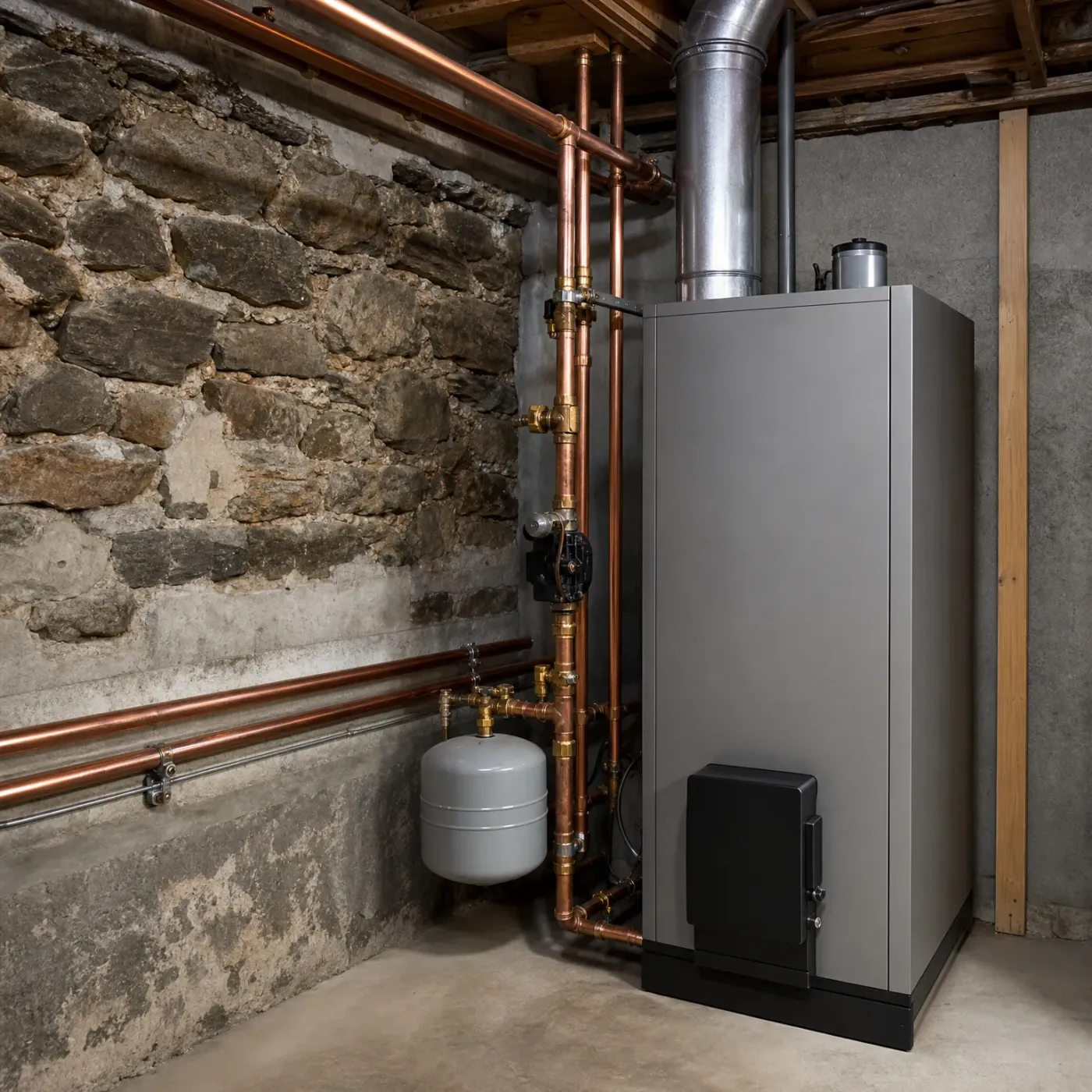
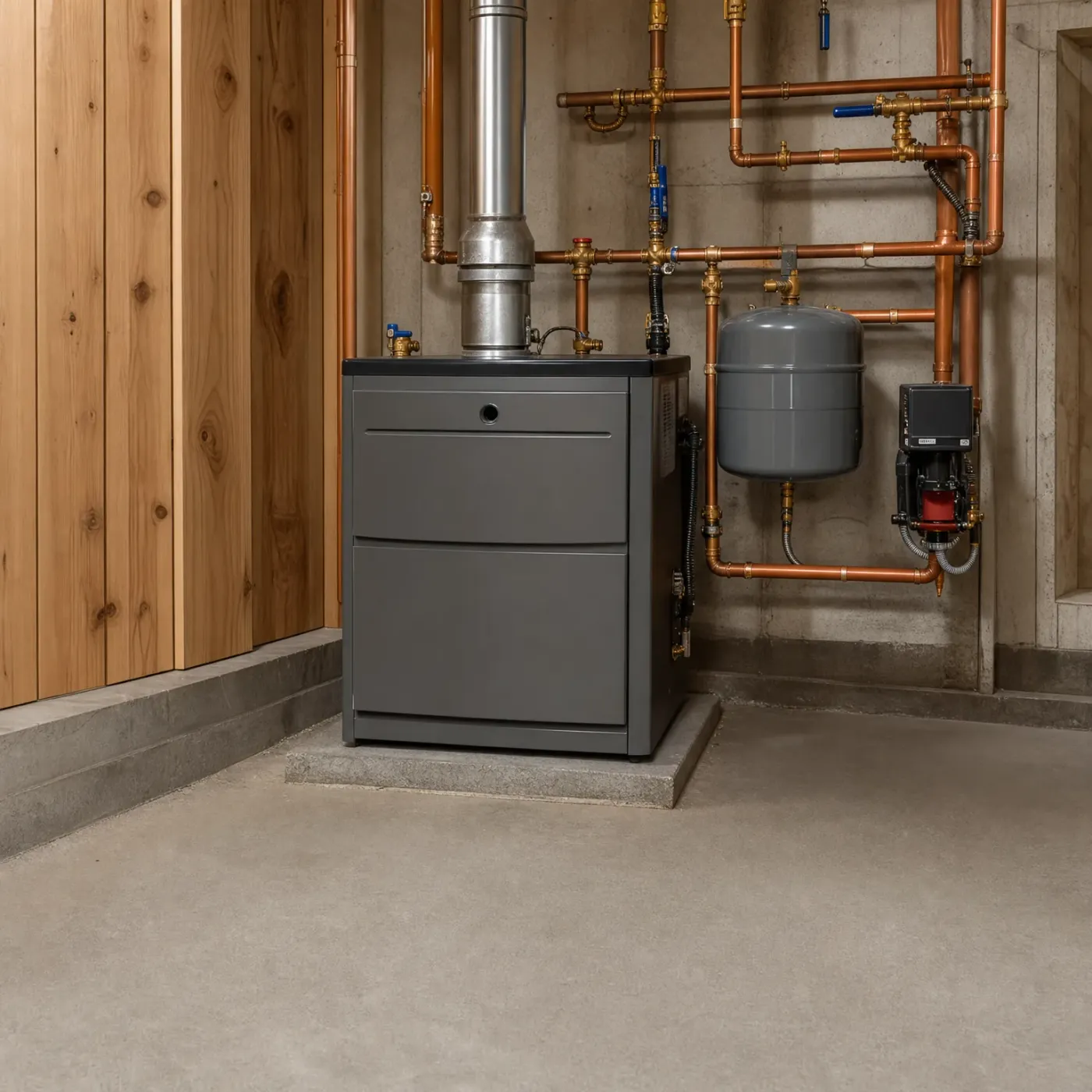
This one pushes water to every radiator without a fight. The pump and valves stay clean, the expansion tank holds its pressure, and heat reaches the far end of the loop the same as the near end. No room gets left out.

A cold radiator while the rest of the house heats up usually means air is trapped inside it, or the valve feeding it is stuck. Hot water boilers push water through a loop of pipes to every radiator, and each one has a small valve, called a bleed valve, that lets trapped air escape. Air pockets sit at the top of the radiator and block hot water from filling the whole thing, so you get a cold top or a cold radiator while the rest of the room's heat works fine. The other common cause is the inlet valve itself, stuck shut or closed by mistake, which keeps water from entering at all. With Vermont winters running long and oil heat costing what it does, one radiator not pulling its weight means the rest of the system works harder to make up for it. A plumber or heating tech can bleed the line or free the valve in one visit.




A hot water boiler moves heat by pushing water through a closed loop, and that loop depends on steady pressure to reach every radiator in the house. Air doesn't compress the same way water does, so a pocket of it sitting inside a radiator breaks that push, and anything past the air stays cold no matter how long the boiler runs. That's why bleeding works. The small fitting near the top, turned with a radiator key or a flathead screwdriver, lets the trapped air escape first as a hiss, then steady water follows once it's clear. Radiators furthest from the boiler, or upstairs, tend to catch air first, since it rises as the system fills. If bleeding changes nothing, the air probably isn't the issue. A stuck inlet valve, jammed by mineral buildup or just worn out after years of use, can block water the same way air does. There's also a second valve at the far end, the lockshield, that keeps the whole loop balanced and usually shouldn't be touched without reason.
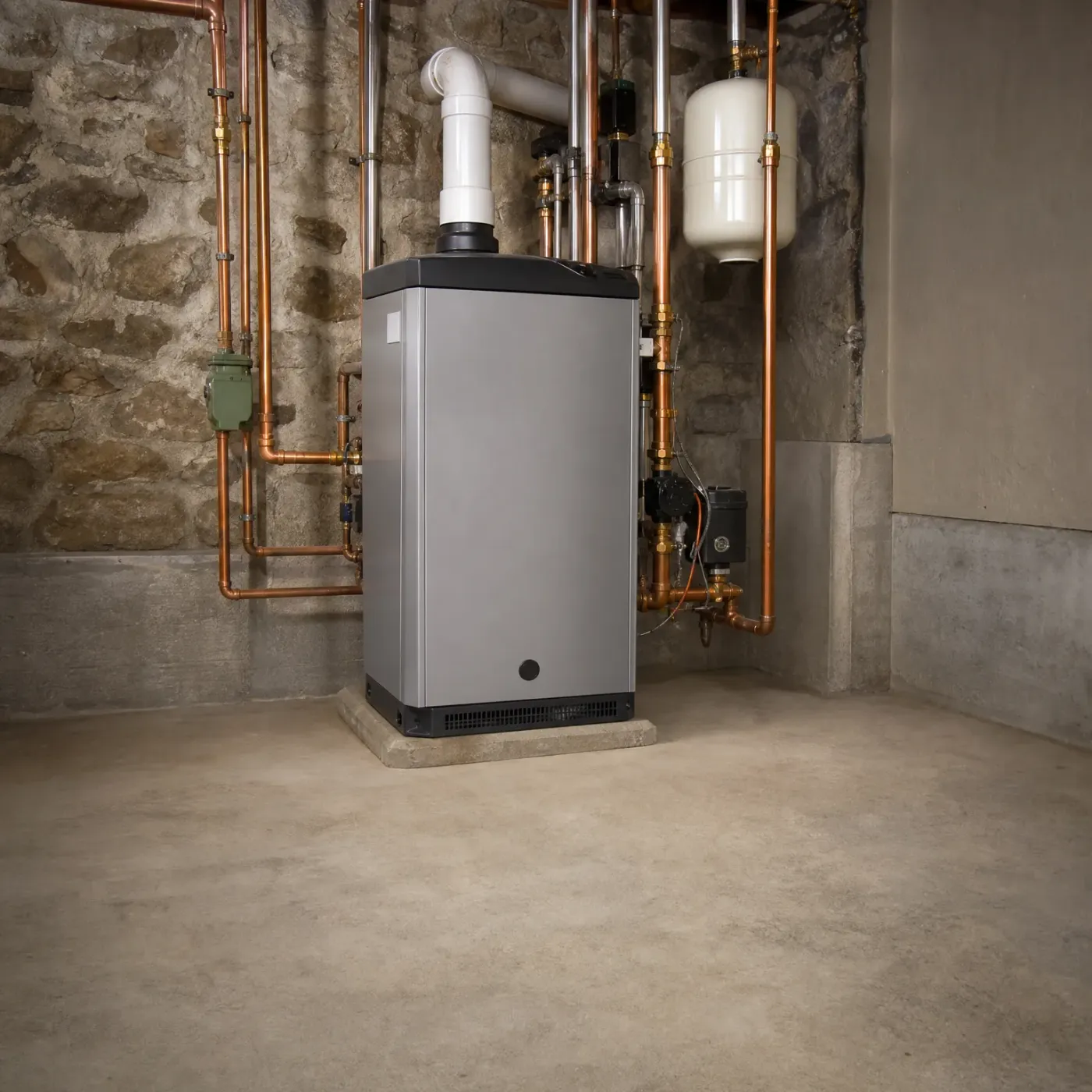
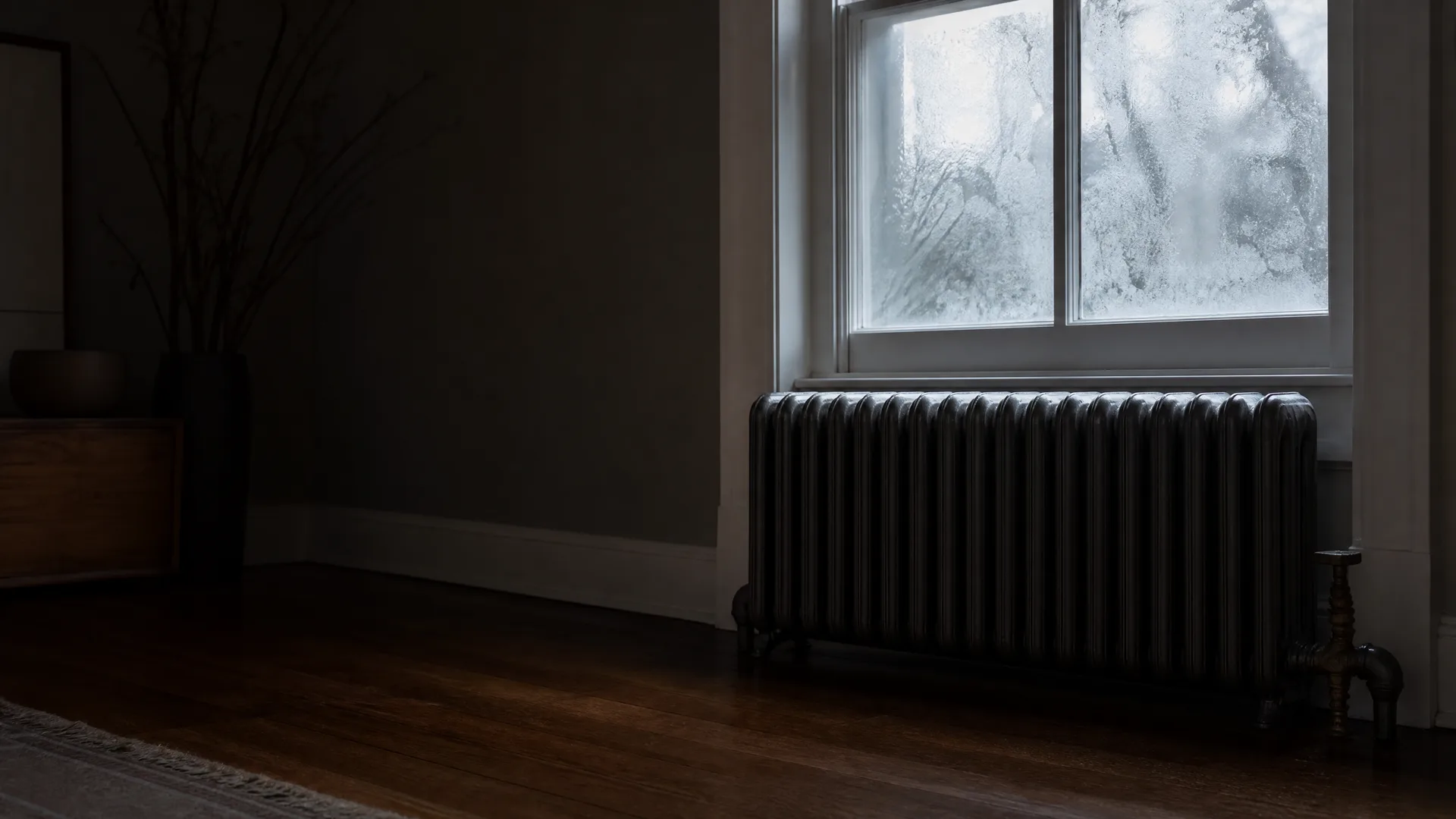
You come downstairs before the woodstove is even going and the living room is the coldest room in the house. Frost has crept across the inside of the window glass, the kind that only forms when the radiator under it isn't doing its job. You put a hand on the cast iron. Nothing. Touch the one in the kitchen on your way back and it's almost too hot to leave your palm there. Outside it's still dark, maybe ten below with the wind they said was coming off the lake. Everyone else is still asleep, and you're standing in a coat deciding whether this is the morning you finally deal with it.
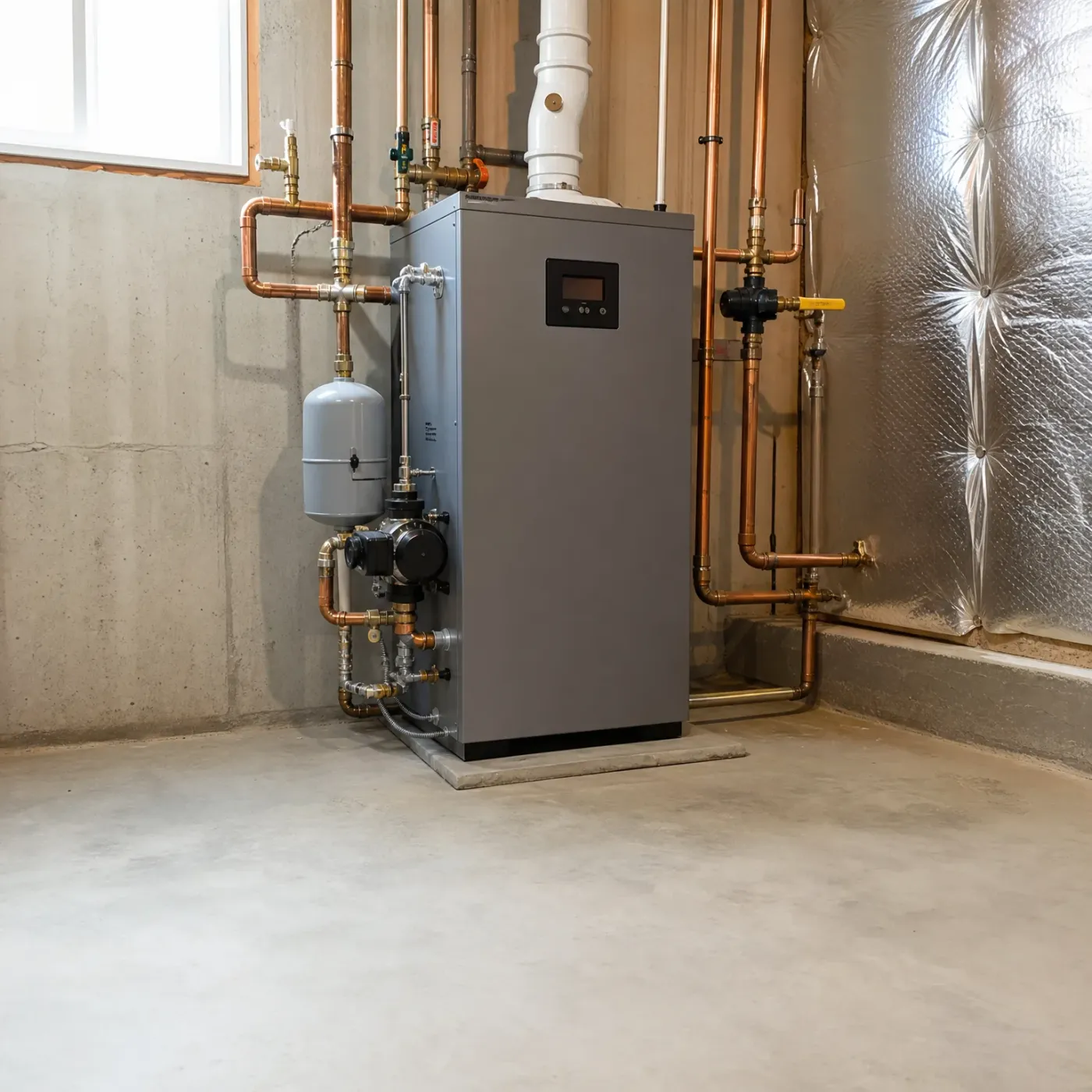
This one pushes water to every radiator without a fight. The pump and valves stay clean, the expansion tank holds its pressure, and heat reaches the far end of the loop the same as the near end. No room gets left out.
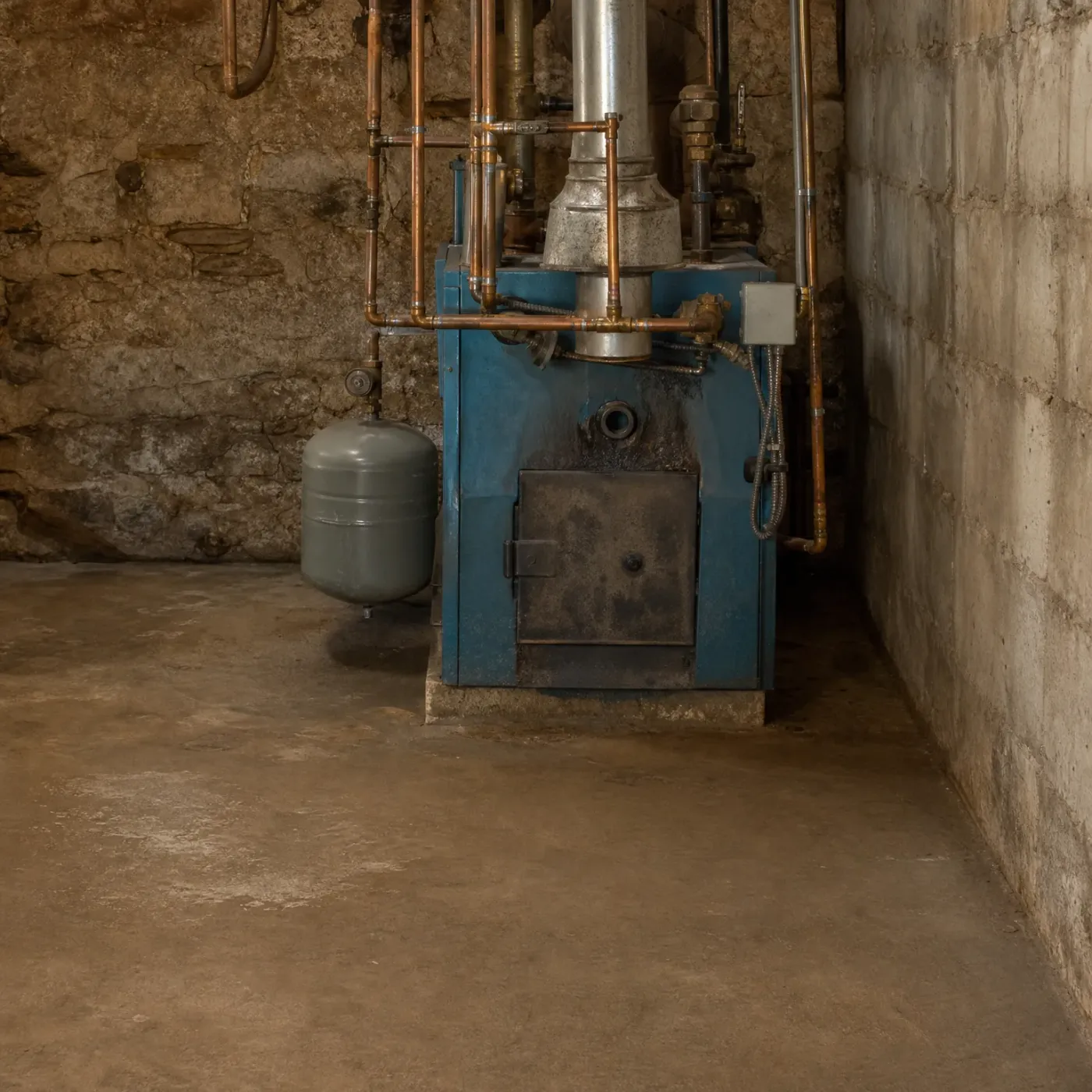
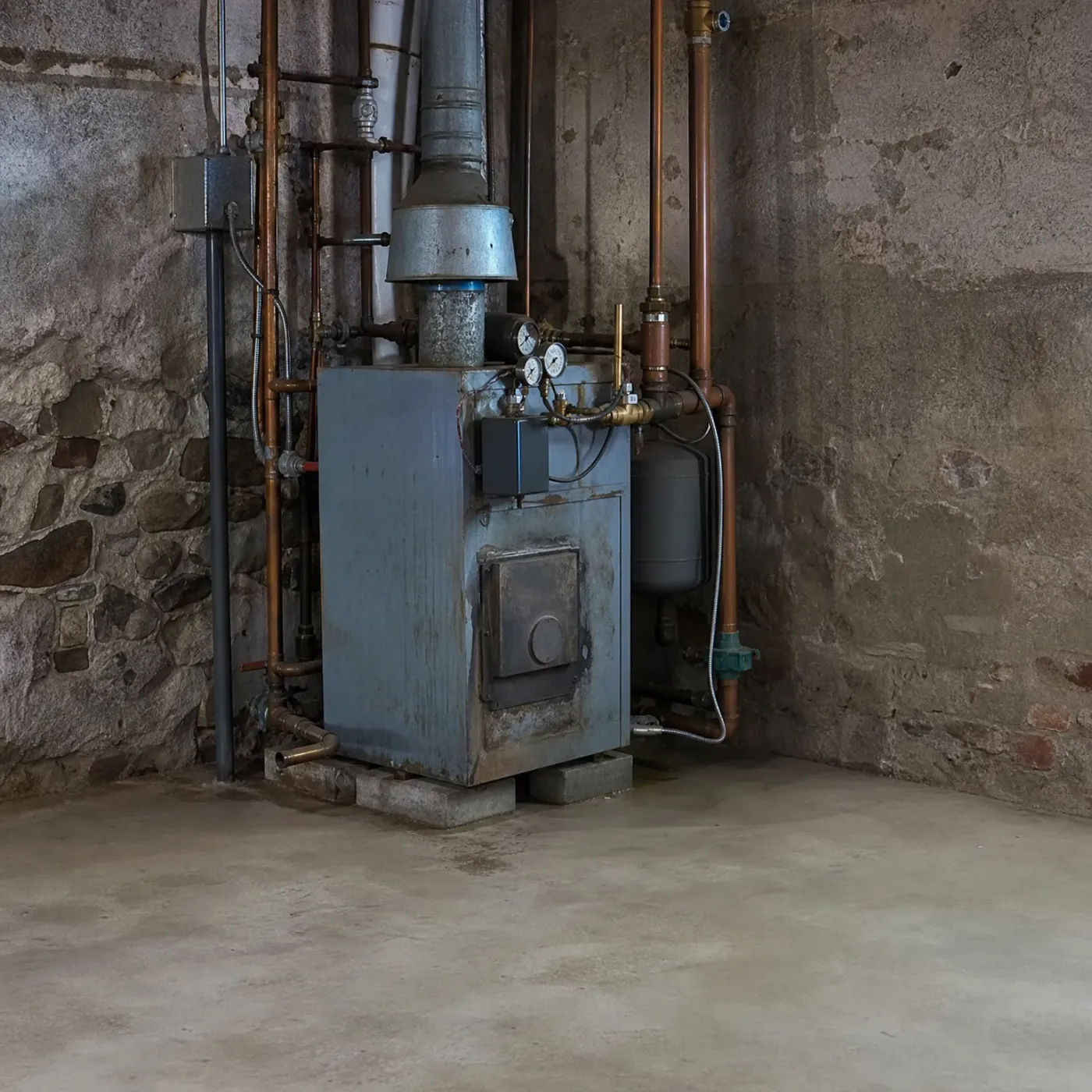
That access door tells you this unit has been worked hard. Corrosion like that often sits alongside a valve that has stuck the same way for a long time, which is why the same radiator keeps coming up cold while the rest of the house heats fine.
You bled the radiator, heard the hiss, saw the water follow, and it still comes out cool once the boiler runs. That's the part that doesn't make sense if you figured air was the whole problem. It usually means something past the bleed valve isn't moving, and no amount of bleeding fixes that.
Bleeding only clears air sitting at the top of that one radiator. If the valve feeding it from the boiler loop is stuck partway, or the radiator itself has sludge built up low inside it, water still can't get through even with the air gone. Some Vermont basements have old iron pipe that's corroded enough to choke flow at one joint, and bleeding won't touch that either. A sign worth noting: if the valve body feels warm but the radiator stays cold above it, the blockage is inside the radiator, not the line. That distinction matters because it changes what a contractor opens up first.


Send the request today and let a boiler pro reach out to you.
A local pro who knows boilers gets your details and gets in touch.
No fee to send it, and nothing to sign.
You've probably noticed it's always the same room. Everyone ends up in the one spot the woodstove reaches, and that back bedroom or the mudroom off the kitchen stays closed up because nobody can get warm in it. You turn the thermostat up and the oil burner runs longer to do it, which on a Vermont bill adds up fast for heat that isn't making it where you need it. If that radiator has been cold for more than a season, check the pipe and the floor under it. Water sitting in a stuck valve can work its way out slowly, and a damp subfloor in a closed-up room goes unnoticed until it's soft.
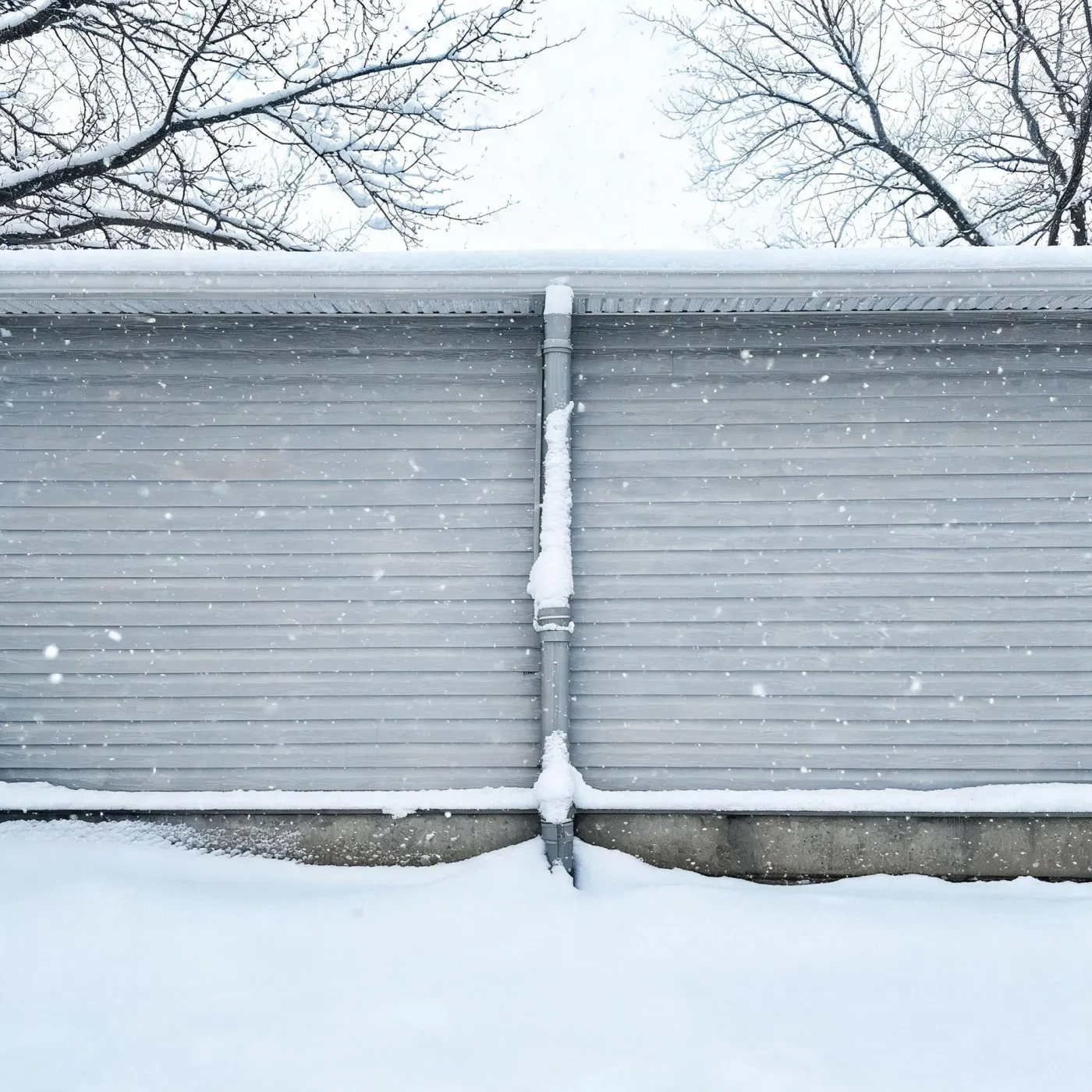
Winter nights average 12°F statewide, according to NOAA climate data. That kind of cold keeps a boiler running long stretches to hold the house steady, and a loop that's already losing ground to a trapped-air pocket falls further behind at that temperature than it would in a milder stretch. If one radiator's been running cool, a night at 12°F is when you'll feel it most, because the room it heats has to fight harder to keep up with heat loss through the walls and windows while the rest of the house stays warm. Oil runs most of the night to make up the difference, and a stuck valve means part of what it's burning never reaches the room that needs it.
NOAA nClimDiv 1991-2020 county normals weighted by homes
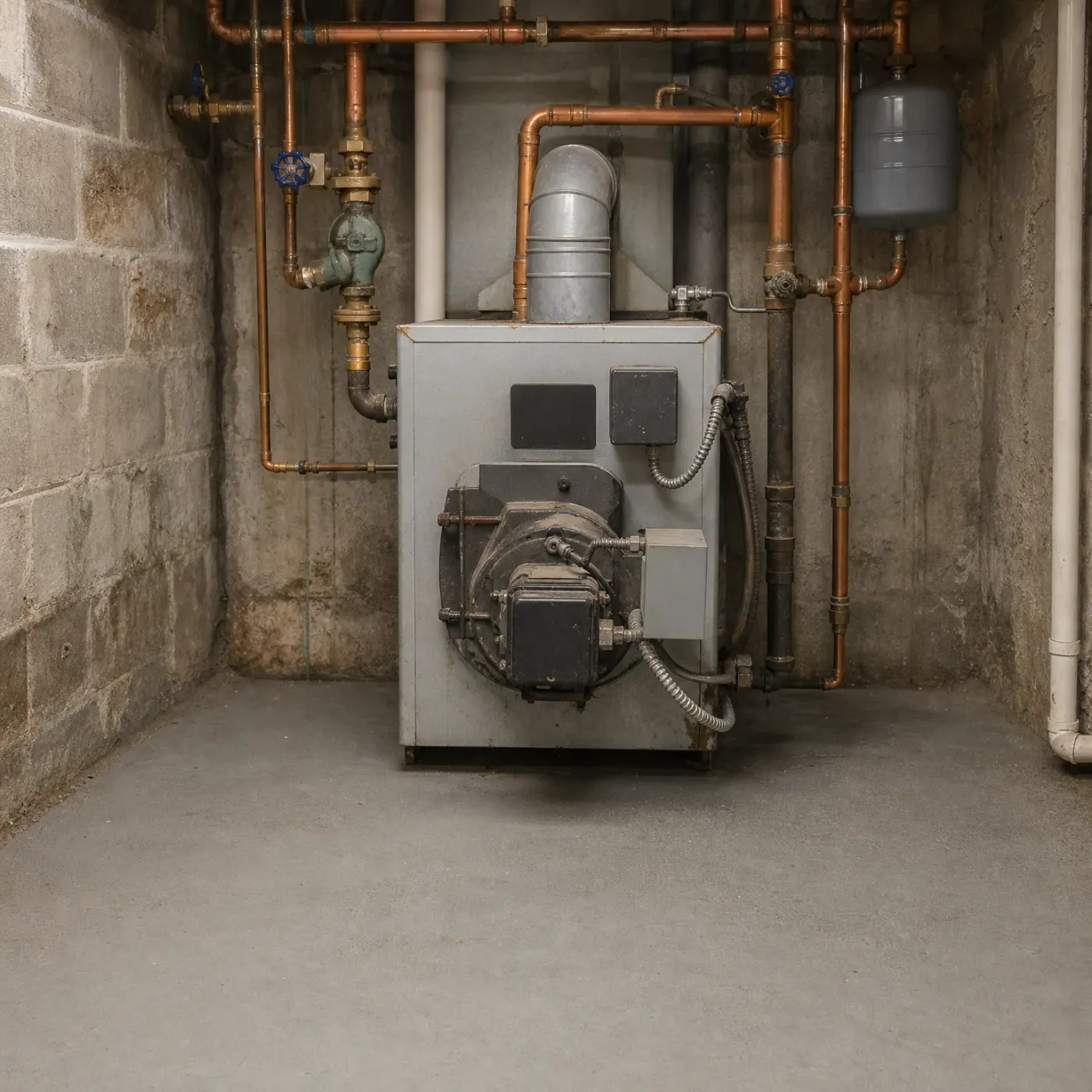
A stuck valve doesn't fix itself. Left alone, it can seize further, and the boiler keeps pushing to heat a radiator that isn't taking any water at all.
A contractor can free the valve or replace it, and that radiator goes back to doing its share instead of leaving the rest of the loop to carry the load alone.
At 12 below zero overnight, your boiler is running close to flat out just to keep the house even. A radiator that's not pulling its share leaves that room losing heat faster than the rest can make up, so the cold spot gets worse right when you need it least.
NOAA nClimDiv 1991-2020 county normals weighted by homes
A radiator that stays cold while the rest of the house heats up is almost always air or a stuck valve, not a failing boiler. That's worth knowing on a night when it's 12 below and the whole system is leaning hard just to keep up. Bleeding the radiator settles the easy case fast. You hear the hiss, the water follows, and either the room warms up or it doesn't. If it doesn't, the valve itself is holding things back, and that's not something that works itself loose with time. Left alone, it tends to seize further, and the boiler keeps pushing water toward a radiator that isn't taking any of it, which means it's working harder for less heat delivered to that room. A stuck valve is a repair, not a guessing game, and a contractor who does this work can free it or replace it outright. Once that's done, the radiator goes back to pulling its share of the loop, same as every other one in the house. You don't have to find that person yourself. Send the form and the search for a contractor is off your plate, not something you have to chase down between everything else that needs doing before the next cold snap. The room that's been cold gets looked at by someone who knows the fix, and the rest of the winter, that radiator carries its share of the heat like it's supposed to.
Sending the form costs nothing.
A boiler running flat out on a 12-below night can't make up for one radiator that isn't pulling its share. That gap only grows as the cold holds on. Sending the request now means a contractor takes over the job of tracking down the stuck valve, and that's one less thing sitting on your list this winter.