Why your boiler keeps turning off in Vermont

After you send the request, you're done searching.

Hand off my repair

A boiler that shuts off and won't restart is usually tripping its own safety switch, not breaking down outright. The most common cause is low water pressure or a leak somewhere in the system, which the pressure switch reads as unsafe and cuts the burner to protect it. A clogged flue or a failed igniter can do the same thing, and on oil-fired boilers, which most Vermont homes run, a dirty nozzle or bad oil filter will choke the burner until it locks out. Short cycling, where it fires and quits every few minutes, often points to a thermostat problem or a boiler sized too large for the house. None of this means the boiler is finished. It means something specific inside it is telling the system to stop rather than run unsafely. Finding which one it is takes someone who knows where to look, and getting it found quickly matters most on the nights it's actually cold.

A woman with long light-brown hair in a gray knit sweater sits in a living room looking off to the side, with a sectional sofa, houseplant, lamp, wooden table and large windows behind her.
A woman in a chunky gray turtleneck sweater sits indoors looking off to the side, with a blurred dining table, chairs, pendant lamp and window behind her.
A woman in a cream knit sweater with her hair in a bun stands near a window, looking off to the side, with a gray sofa, houseplant and open kitchen with pendant lights blurred behind her.
A woman with long brown hair in a cream knit sweater stands near a window, looking to the side, with a white sofa, shelving, and a hallway visible behind her.

Why does my boiler shut off after running for a little while?

You've got the heat running and it's fine for a while, then the burner cuts out on its own. It's not that it won't start at all, it runs, then stops, sometimes a few minutes in, sometimes longer. With an oil boiler and a Vermont winter to get through, you want to know if this is something minor or the start of a bigger problem.

It's shutting off on a limit switch, usually tied to heat or flame, not a full failure

A boiler that runs for a while and then quits is almost always hitting a limit switch partway through the cycle. On an oil boiler, the most common one is the high limit, which reads water temperature and cuts the burner if it climbs too fast or too high, often because of poor circulation or a thermostat calling for more heat than the system can deliver smoothly. The other usual suspect is the cad cell, which watches for flame and shuts the burner down if it loses sight of it even for a second, which can happen with a dirty lens or a flickering flame. Either way, the boiler is protecting itself. A contractor who works on oil systems around Vermont every winter can tell which switch is tripping and why within a short visit.

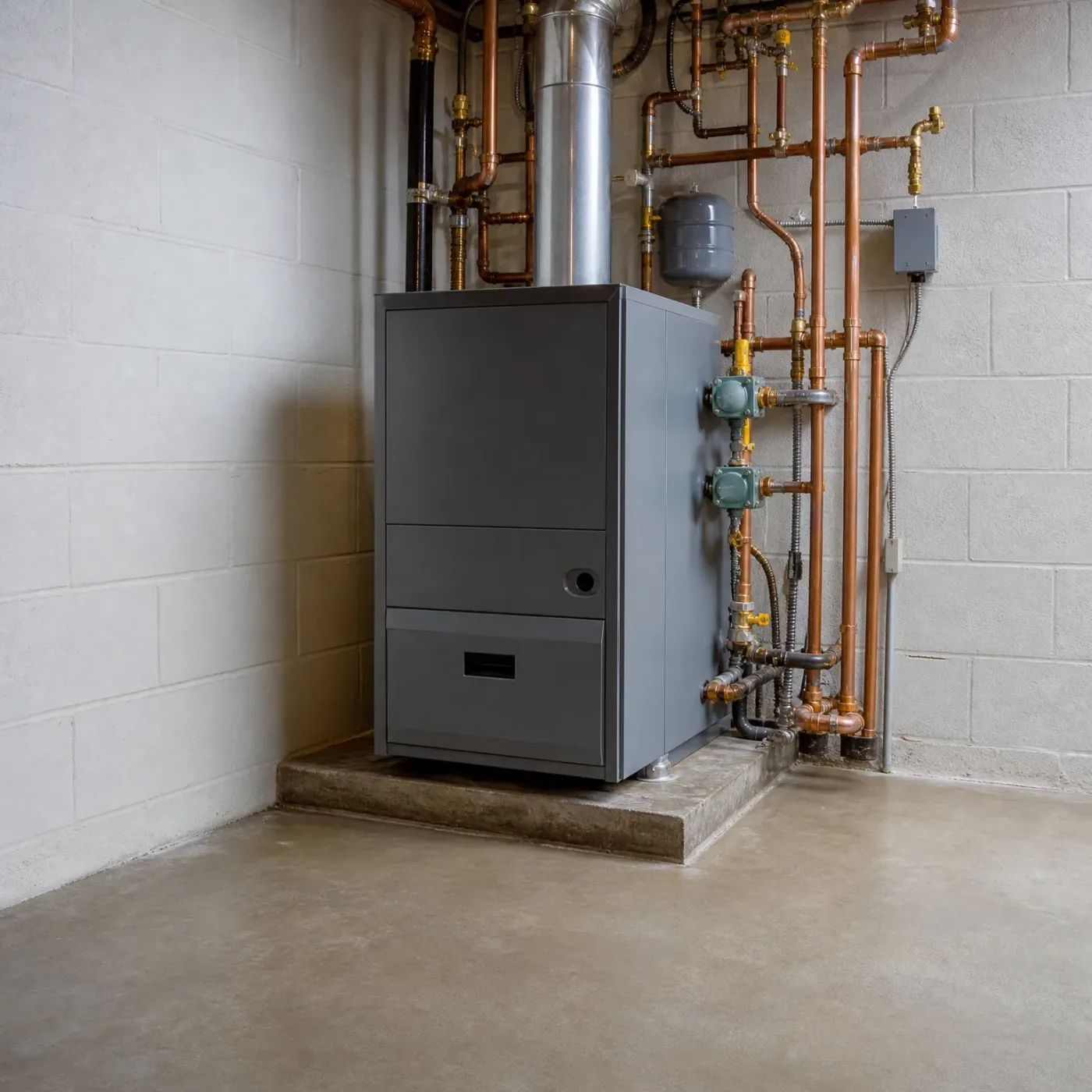
A gray boiler unit on a concrete pad in a basement corner, connected to copper piping, valves and a metal flue against painted concrete block walls.

Running the way it should

Pressure holds steady, the burner fires, catches, and keeps running until the thermostat's satisfied. No short cycling, no lockouts. On an oil system in Vermont, that's what lets the boiler get through a January night without tripping on you.

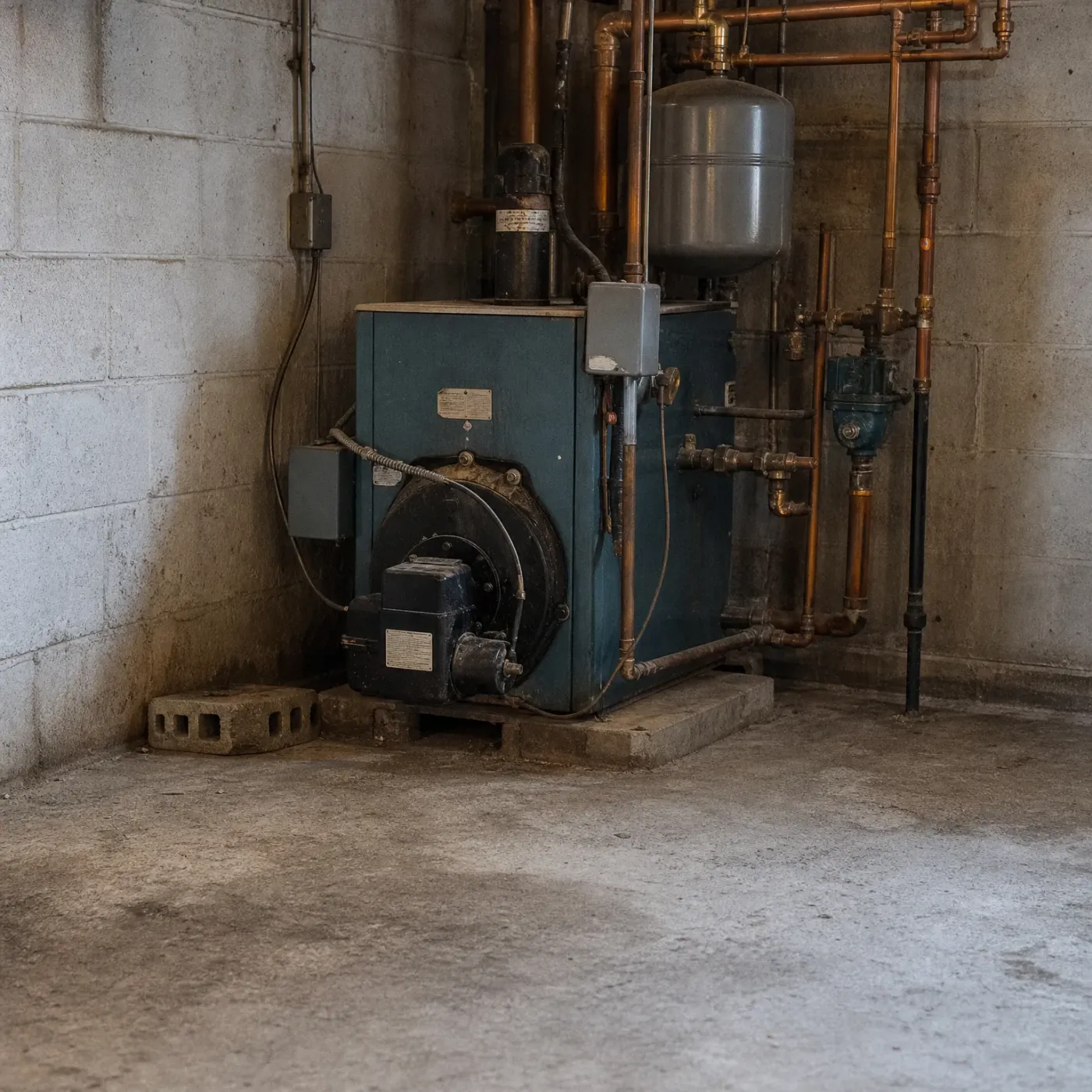
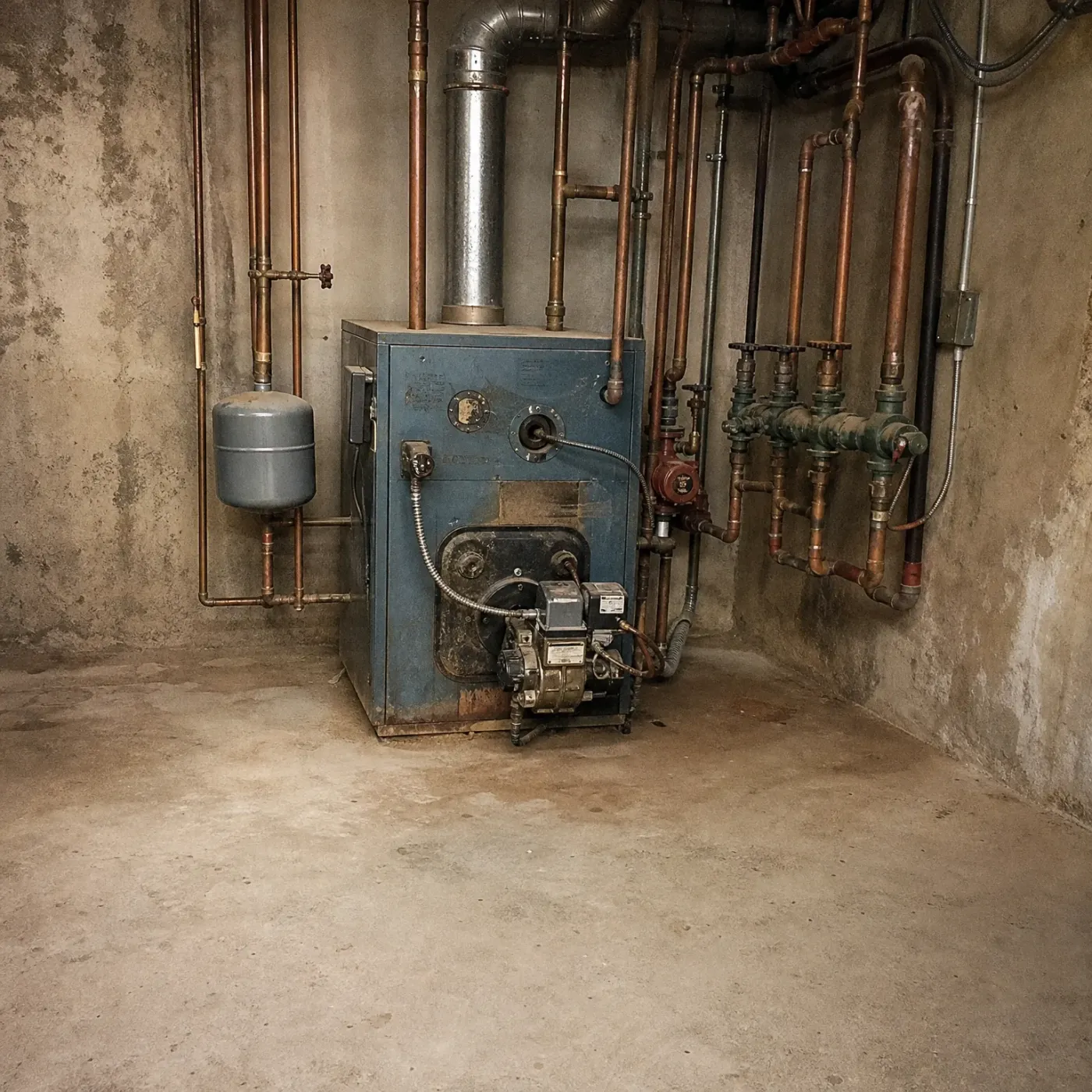
A blue oil-fired boiler with a burner unit sits on a concrete pad in a basement corner, with copper piping, valves and a gray expansion tank overhead against concrete block walls.

Heading toward a shutdown

Pressure drifts low, or the burner struggles to catch and the flame sensor or igniter cuts it before it does. Each shutdown is the boiler protecting itself, but one that keeps happening points to a leak, a failing part, or a vent problem that needs a look before the cold really sets in.

Lockout or Short Cycling

Safety lockout

  • The boiler shuts off on its own and needs the reset button pressed, or it needs a service call before it'll fire again.
  • Usually points to low water pressure, a flame sensor that's lost its signal, or an igniter that's failing to light the burner reliably.
  • An oil-fired boiler that locks out can also mean the nozzle is clogged or the cad cell can't see the flame anymore.
  • Pressure dropping on its own points to a leak somewhere in the system, even a small one, and that won't fix itself.
  • A contractor who works on Vermont oil boilers every winter has seen which part on your model tends to go first.
  • Left alone through a cold stretch, repeat lockouts mean longer stretches with no heat at all while you wait on a fix.

Short cycling

  • The burner fires, runs a few minutes, and shuts off again on its own, over and over, without ever locking out.
  • Often comes down to a thermostat calling for less heat than the boiler's built to deliver, or a dirty flame sensor misreading the fire.
  • Can also mean the boiler is oversized for the system it's heating, so it satisfies the thermostat too fast and shuts down.
  • Rooms stay a few degrees cooler than the thermostat setting because the burner never runs long enough to push heat through.
  • With oil running the burner, short cycling burns fuel on every restart without giving you a full cycle of heat for it.
  • A technician who knows oil systems in this state can tell from the pattern whether it's the thermostat, the sensor, or the sizing.
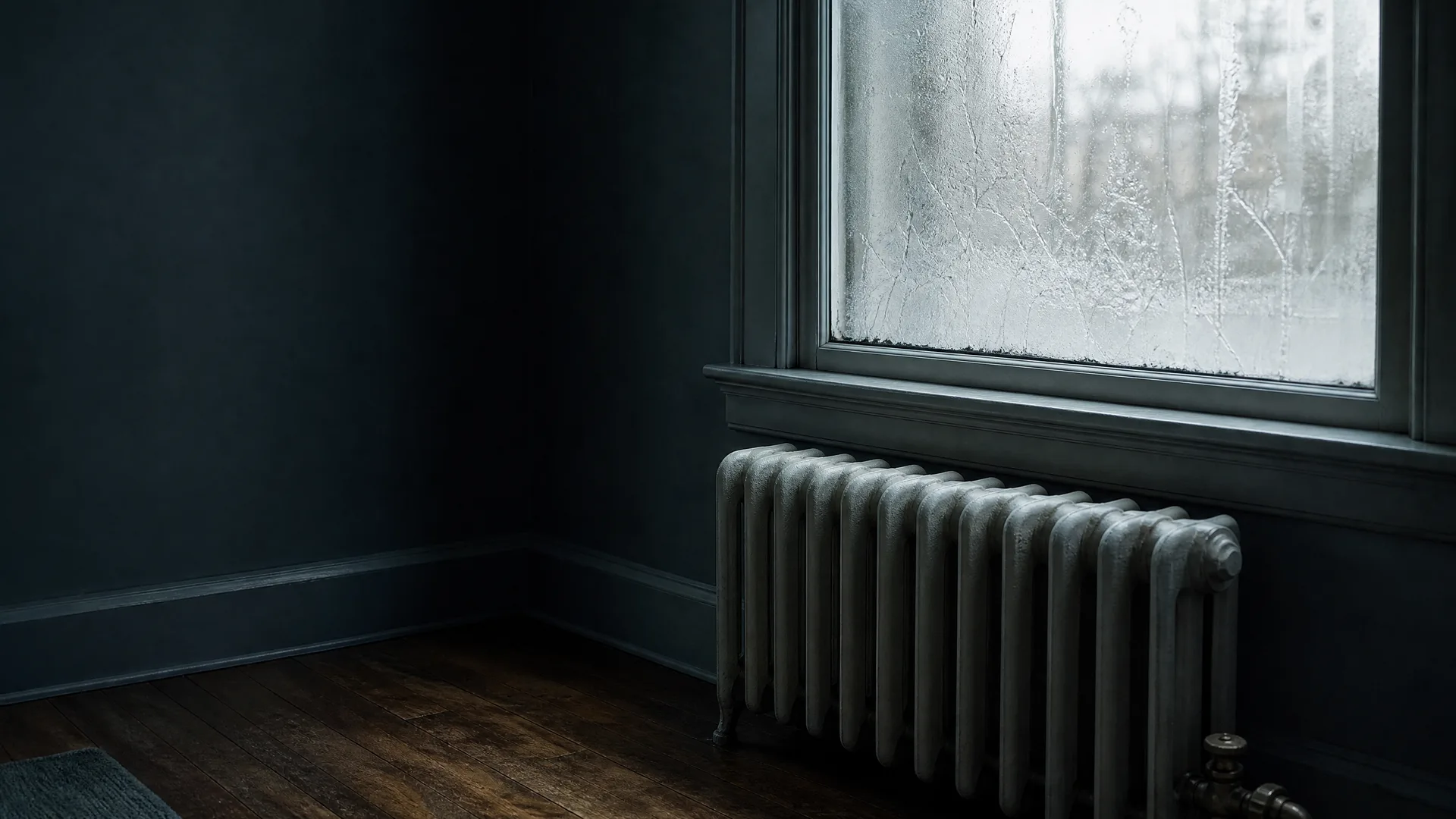
A cast iron column radiator under a condensation-covered window in a dim room with dark walls, dark baseboard trim and a worn wood floor.

You're up before the rest of the house, same as always in January, and the living room hasn't warmed at all. The radiator under the window is cold at the bottom, and there's ice built up on the inside of the glass above it. You press the reset button on the boiler the way you did last time. Nothing. No hum, no click, no burner catching. Somewhere downstairs water is low or a switch has had enough, and the house is going to keep losing ground until someone gets to it. You send the request in and let that part go. It's not yours to chase down anymore.


Let someone else find the pro

Only one pro gets your request, so you hear from one company.

There's no charge for the request.

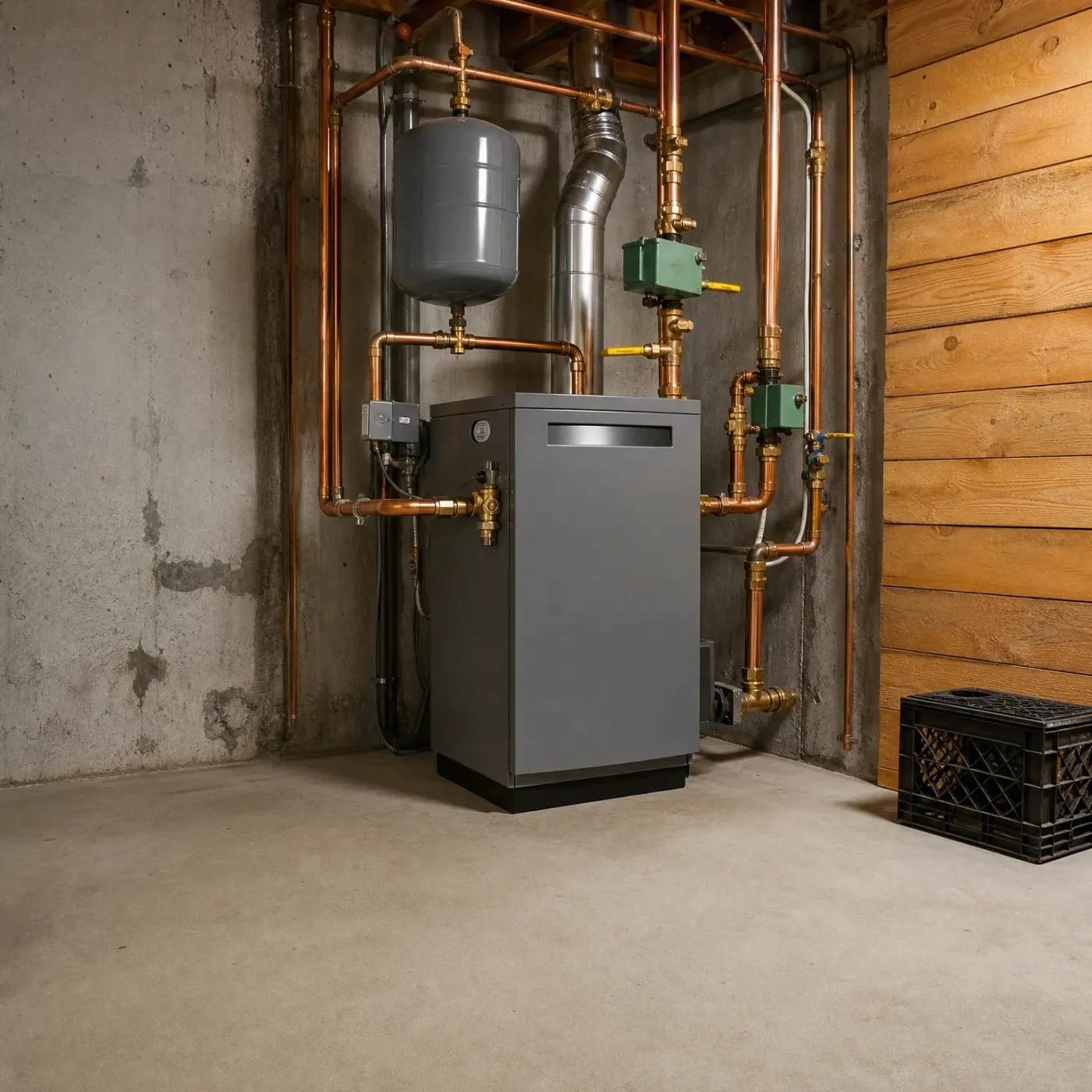
A gray boiler unit in a basement corner with copper piping, brass valves, a gray expansion tank, a metal flue duct, concrete walls and a wood-paneled wall, with a black plastic crate on the floor at right.

Pressure where it should be

The gauge sits in the right range, the zone valves open when they're called, and the burner fires without tripping the reset. Pipes and valves like these hold their pressure for years when nothing's leaking.

An older blue boiler with a burner unit stands in a concrete basement corner, connected to copper and steel piping, valves and a gray expansion tank on the wall.

A system under strain

Galvanized pipe and an older flue like this one lose ground over the years. If the pressure's drifted low or a zone valve is sticking, the boiler reads it as unsafe and shuts down rather than keep running.

Winter nights average 12°F statewide

At 12°F, your boiler is cycling on almost nonstop to hold the house steady, and that's exactly when low pressure or a bad igniter shows up. A system that was limping along in October won't make it through a night this cold.

NOAA nClimDiv 1991-2020 county normals weighted by homes

Why oil boilers trip on cold starts

An oil burner lights by throwing a spark across an electrode or igniter while oil sprays past it in a fine mist. That spray has to catch right away. If the nozzle is partly clogged or the electrodes are coated with soot, the flame either doesn't catch or doesn't hold, and the primary control locks the burner out rather than let unburned oil build up in the chamber. That lockout is doing its job, not failing at it. It's also why a boiler that ran fine in October can start tripping once it's firing six or eight times a night in January. Soot and wear that didn't matter at light load start mattering at full load.

What the pressure gauge is telling you

Most residential boilers want to sit somewhere around 12 to 15 psi when the system is cold. Below that, the low water cutoff reads the system as unsafe to run and shuts the burner down before it can fire dry. A gauge sitting near zero usually means water has gotten out somewhere, through a bleed valve left loose, a fitting, or a relief valve that's been weeping. Topping off the pressure by hand through the feed valve will get the boiler running again for a while, but if it drops back down over a few days, something is still letting water out and a one-time refill won't hold.

A green oil-fired boiler with a flue pipe, burner and circulator pumps sits on a concrete pad in a basement corner, surrounded by copper piping and an expansion tank against concrete walls.
Before you get your boiler repair
A gray and blue floor-standing boiler in a basement corner, with a metal flue pipe and copper and black piping, valves, and a gray expansion tank mounted on an unfinished wood-framed wall beside a concrete wall.
After you get your boiler repair
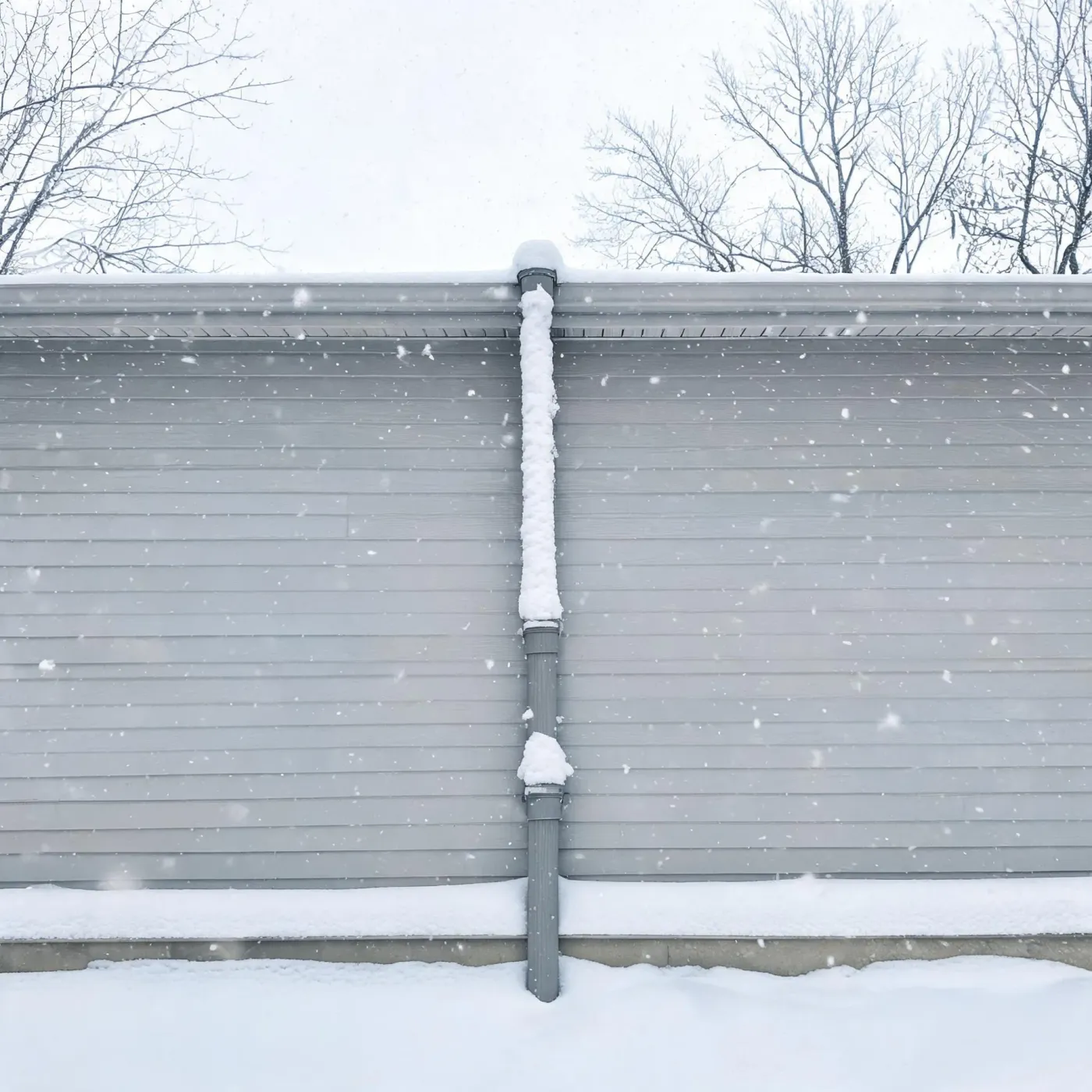
Gray horizontal lap siding on a house exterior with a snow-encrusted downspout running from the gutter to the ground, bare trees behind the roofline, and snow falling.

Statewide, winter nights average 12°F, according to NOAA. At that temperature, your boiler isn't just warming the house, it's fighting to keep up with heat loss through the walls and windows most of the night. That means longer burner runs and more cycles between dusk and dawn, which puts more hours on a pressure switch or igniter that's already borderline. If something in the system is weak, a night at 12°F is when it gives out, not a milder one in October or March. You'll notice it as the boiler tripping its reset button somewhere around 2 or 3 in the morning, with the house already cooling down by the time anyone's awake to catch it.

NOAA nClimDiv 1991-2020 county normals weighted by homes

What are you noticing around the house right now

You've probably caught yourself checking the thermostat more than once, walking past a radiator that should be hot and finding it barely warm. Maybe you've heard the burner kick on, run for a bit, then go quiet when it shouldn't. Someone in the house mentioned a room feeling colder than the rest, or you've gone down to the basement and seen the reset button lit up, waiting to be pressed again. If the pressure gauge is low or the boiler keeps needing that reset through the night, the house won't hold heat the way it should, and with oil heat already costly to run here, a boiler working harder than it needs to just adds to what you're burning through each month without actually keeping anyone warmer.

  1. Thermostat calls for heat and the burner motor starts.

  2. Oil sprays through the nozzle while the igniter sparks to light it.

  3. The flame sensor confirms ignition within seconds or shuts the burner down.

  4. Water inside the boiler heats and circulates out to the radiators.

A woman with her hair in a bun sits wrapped in a beige knitted blanket on a couch, holding a sleeping child against her chest in a warmly lit room with a lamp and houseplant in the background.
An older woman with short gray hair in a cream cable-knit turtleneck sweater smiles while looking to the side in a wooden kitchen, with a round loaf of bread on a board in the foreground and a lit candle by a dark window.

Where Your Boiler Stands Now

  • A boiler that keeps shutting off is almost always tripping a safety switch over low pressure, a bad flame sensor, or a failing igniter, not failing outright.
  • Cold nights near 12°F push the burner into longer runs and more cycles, which is exactly when a weak part shows itself first.
  • A pressure check and a look at the igniter and flame sensor will usually point straight to the cause.
  • The contractor who takes this job works on oil boilers through Vermont winters and knows which of these three usually turns out to be the one.
  • Your request goes to one licensed local contractor, so you're not fielding calls from a handful of different companies.
  • Once the cause is found, getting the burner to hold a flame and the house back to warm is a straightforward repair.

Most of the time, a boiler that keeps shutting off isn't dying. It's tripping a safety switch because of low pressure, a flame sensor that's stopped reading the burner right, or an igniter that's losing its spark. Those three cover nearly every case. A cold snap doesn't cause the problem, it just forces it into the open, since the longer burner runs and the extra cycling on a 12°F night put more load on whichever part was already weak.

Finding out which of the three it is takes a pressure check and a look at the flame sensor and igniter, in that order. That's not a guessing process. It's what a contractor who works on oil boilers all winter in Vermont does on every call like this, and it's why they can usually land on the cause fast instead of swapping parts to see what sticks. The request you send goes to one licensed local contractor, not a handful of companies competing for the job, so the person who shows up is the one who's actually going to do the work, and they're not walking in cold on what oil boilers in this state tend to need.

Once the cause is confirmed, the fix is ordinary work. A pressure refill, a cleaned or replaced sensor, a new igniter, these are repairs that get handled in a single visit, and the boiler goes back to holding a flame and keeping the radiators hot the way it did before. You don't need to know which of the three it is before you ask for help. You just need to know it's one of them, and that it's fixable.

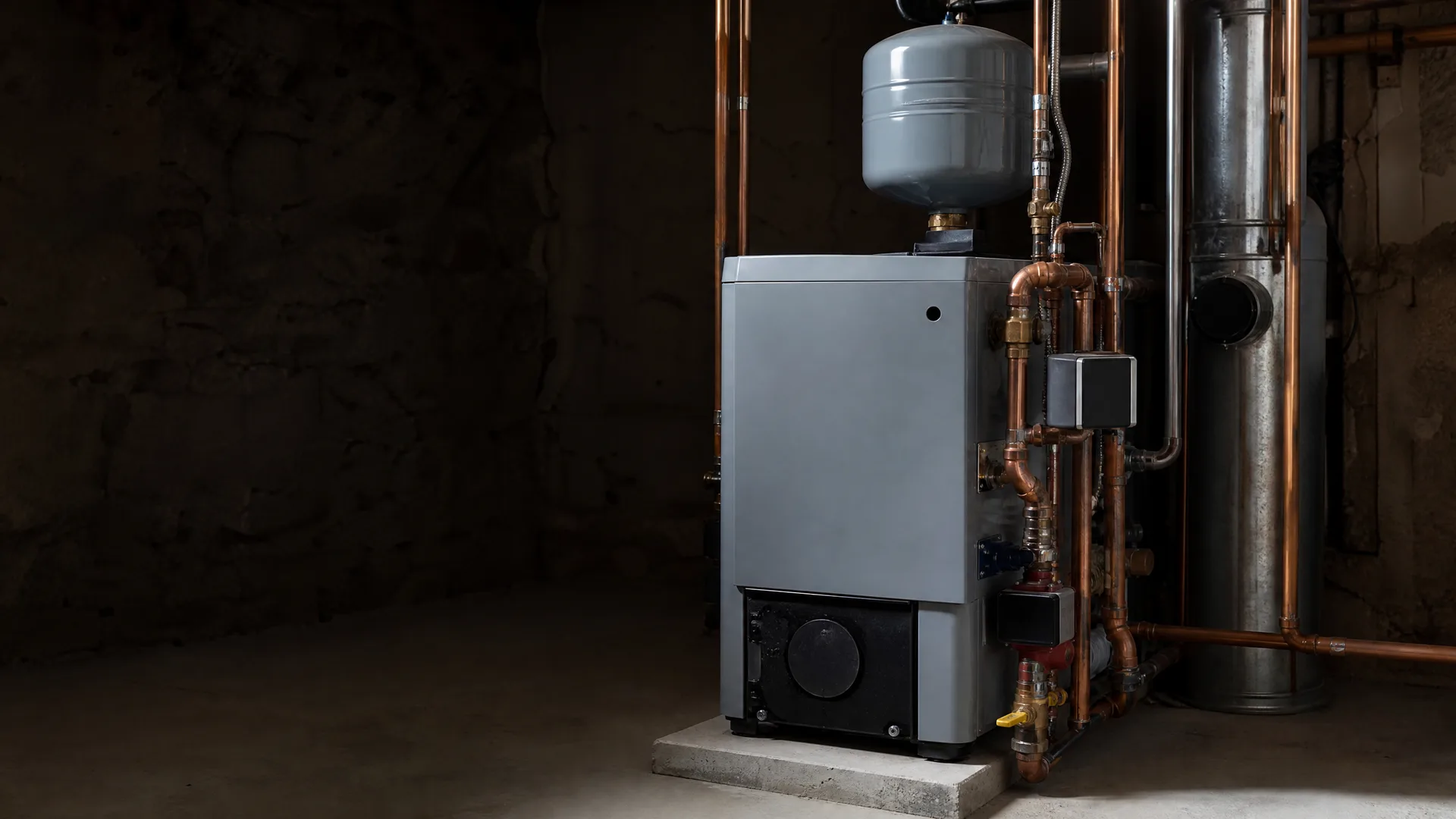
A gray residential boiler on a concrete pad in a dim basement, connected to copper piping, a gray expansion tank overhead, and a metal flue pipe along the wall.

One request and it's handed off

Step 1 of 3: Equipment