
Quiet, even heat
This is a boiler running the way it should. The burner fires, the pumps push water through the copper lines without a sound, and the radiators warm up evenly. No bangs, no knocking, just heat moving through the house.
A boiler that bangs, knocks or hammers after it fires up is unsettling, especially when the noise shows up at night or right when the heat kicks on. Most people notice it gets worse the longer the system runs, or that it happens every time the boiler starts a cycle. You're not imagining it, and it's not something to just turn the volume down on, even if it's not an emergency tonight.
That banging, called kettling, happens when scale or sludge builds up on the heat exchanger and traps a layer of water against it. That trapped water overheats and turns to steam faster than the rest of the water around it, and the pockets of steam collapsing is what makes the banging sound. Oil-fired boilers, which most homes in Vermont run, build sludge in the system over years of use, so this shows up more as a boiler gets older. Left alone, the trapped steam pockets stress the heat exchanger itself, and that's a far more expensive part to replace than cleaning out the scale would have been.
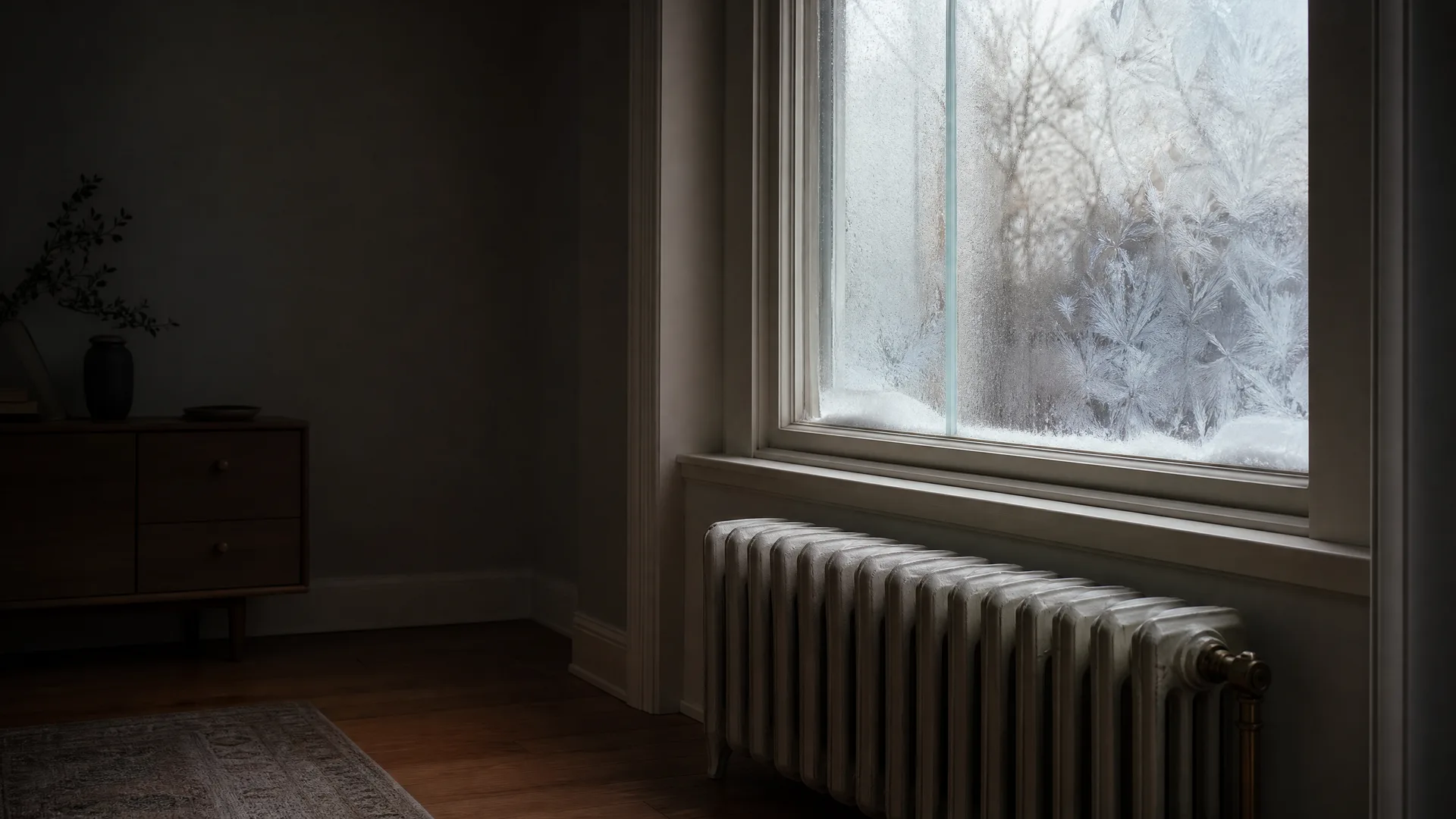
Six in the morning, dark outside, and the radiator under the window has ice feathered across the inside of the glass. You hear it before you're fully awake, a bang somewhere in the pipes under the floor, then another, closer to the radiator itself. The oil burner kicked on ten minutes ago. You lie there and count the knocks, three, then a pause, then one more, louder, like someone hit the baseboard with a wrench. The dog lifts his head off the bed at the second one. Outside the window the glass is white with frost and the yard is still dark. You get up, put a hand on the radiator. It's barely warm yet, and it's already banging.
You already know the sound you're hearing isn't nothing. Banging that starts when the burner fires and fades as the water heats up usually means kettling, mineral buildup baking onto the heat exchanger. Left alone, that boiler works harder to push heat through that coating, and on oil, with Vermont power rates what they are, that shows up on your bill before anything breaks outright. If the bang comes from a pipe going cold fast, water hammer from trapped air, a valve can wear loose over time and start to weep. Either way it's a small problem now. A cracked heat exchanger or a failed valve in January is not.
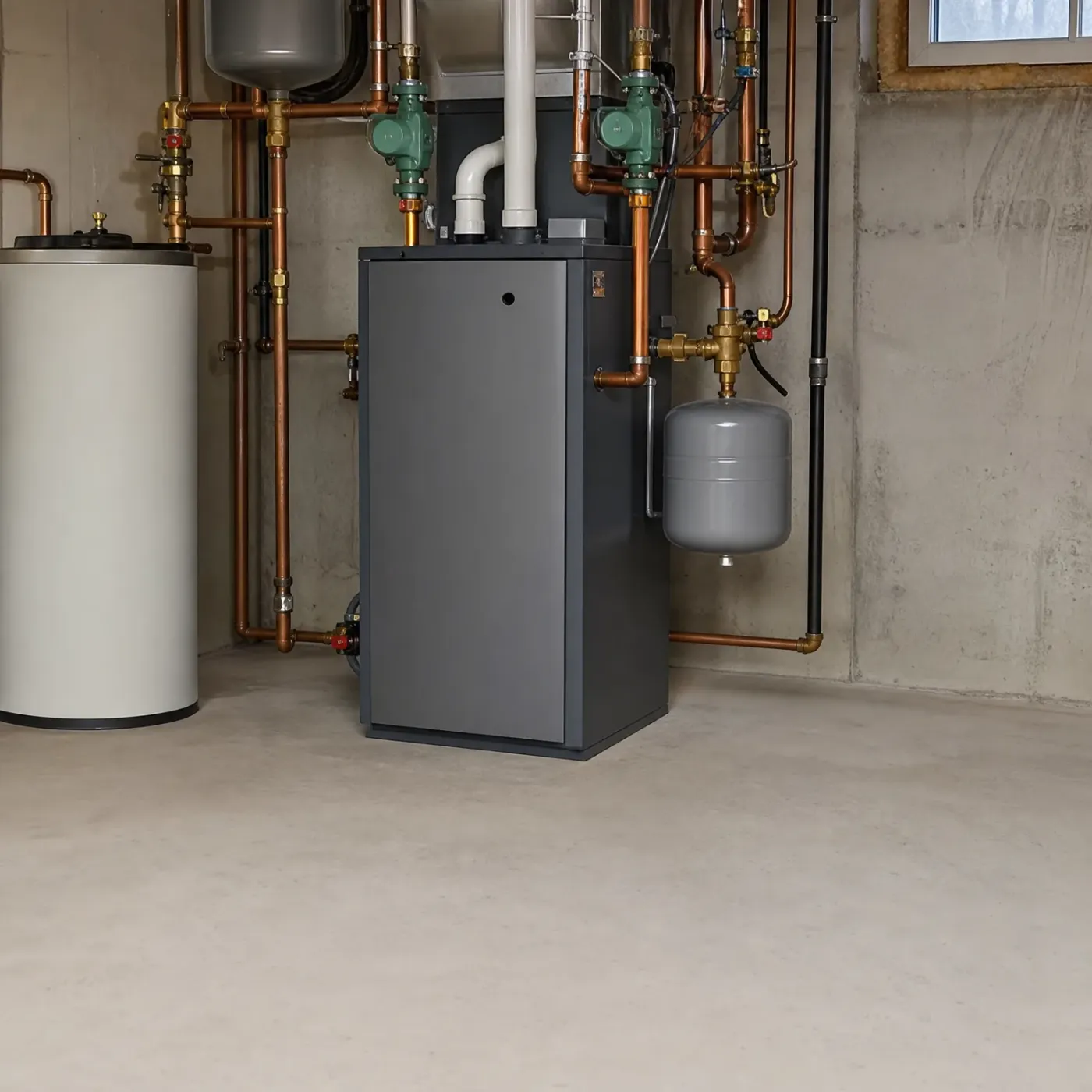
This is a boiler running the way it should. The burner fires, the pumps push water through the copper lines without a sound, and the radiators warm up evenly. No bangs, no knocking, just heat moving through the house.
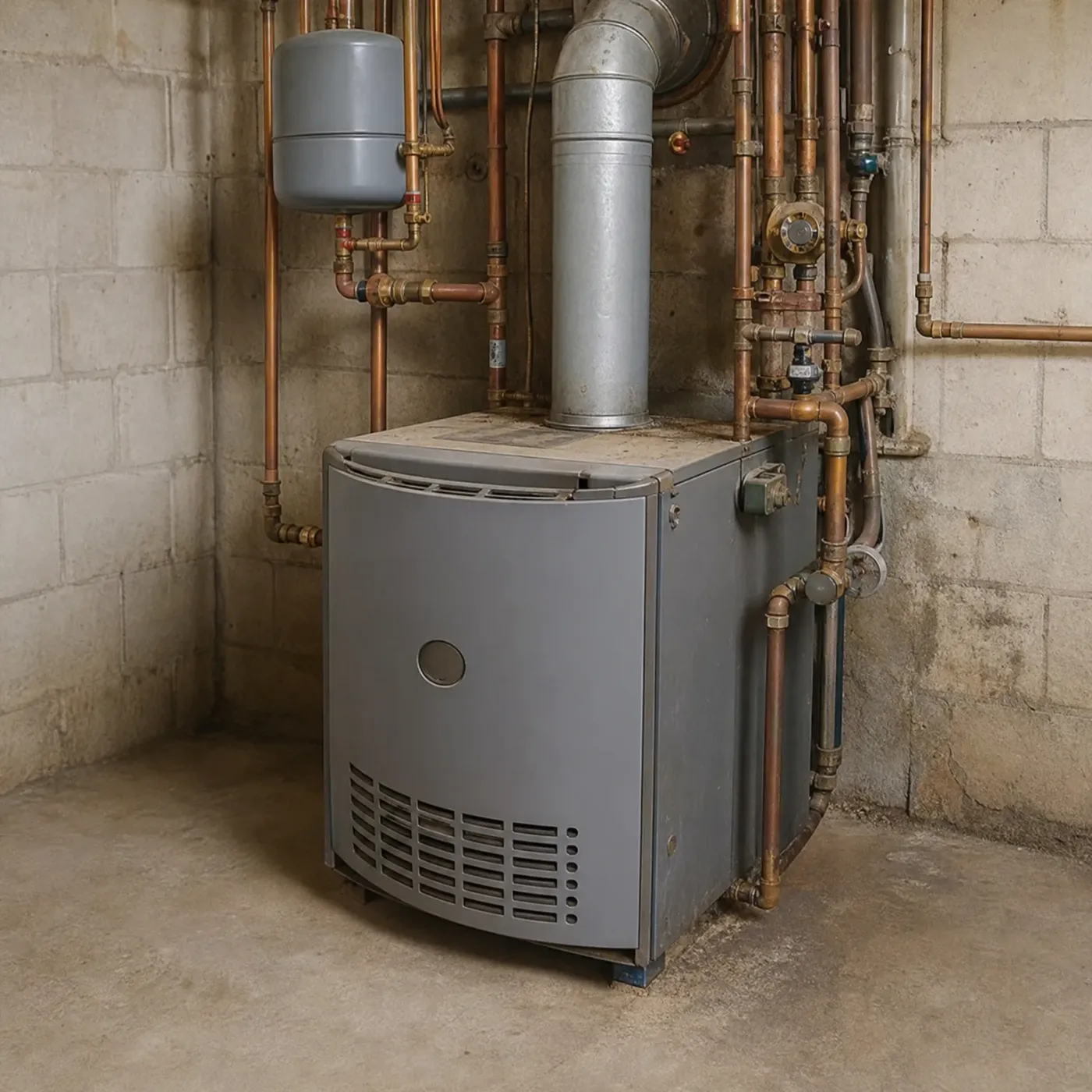
Here the same kind of system is working harder than it should. Mineral scale has built up on the heat exchanger, and the trapped water flashes to steam when the burner fires. That's the bang you hear traveling up through the flue and the pipes.




Fill out one short form instead of calling around.
Get the boiler repair search off your mind today.
It costs nothing to send, and you don't have to hire anyone.
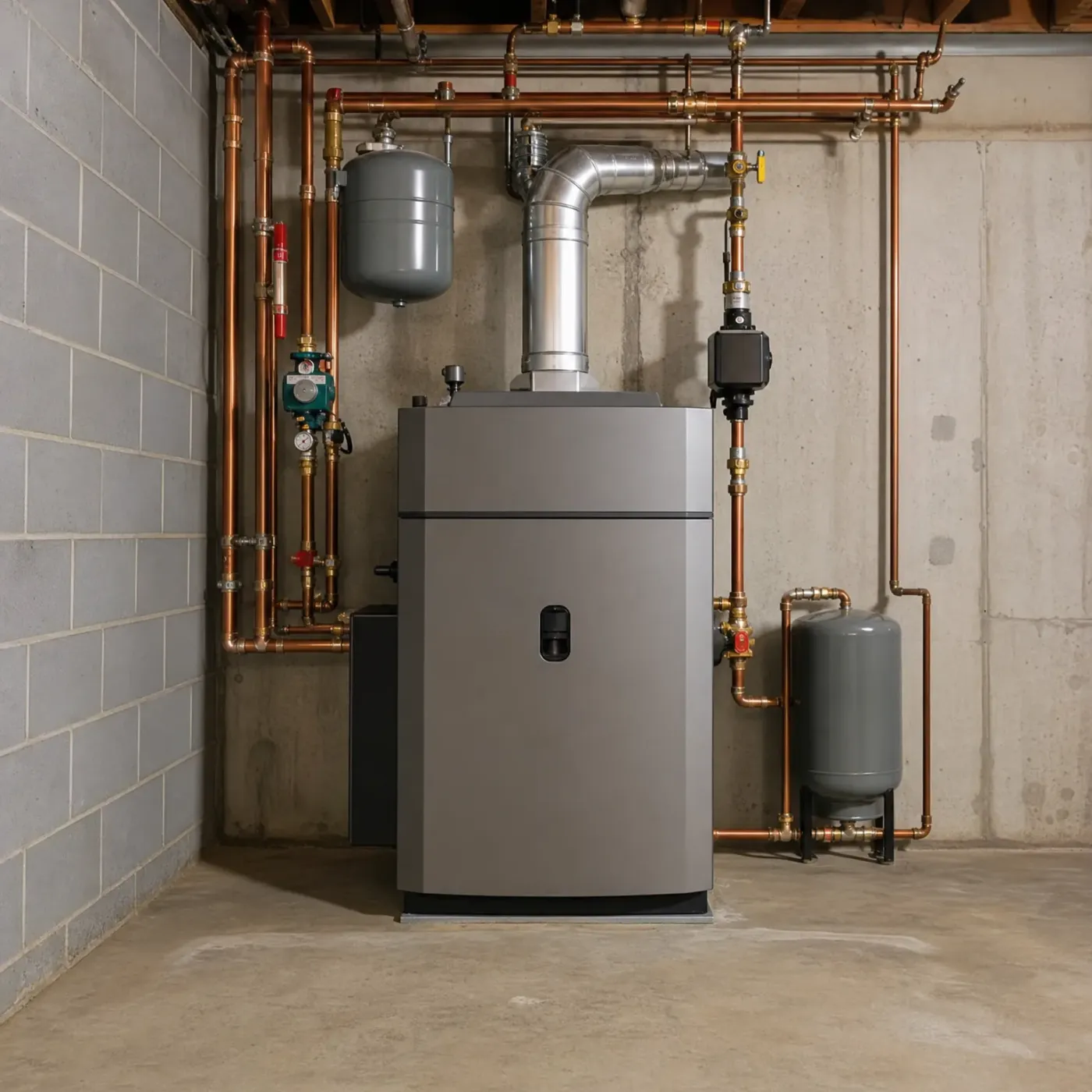
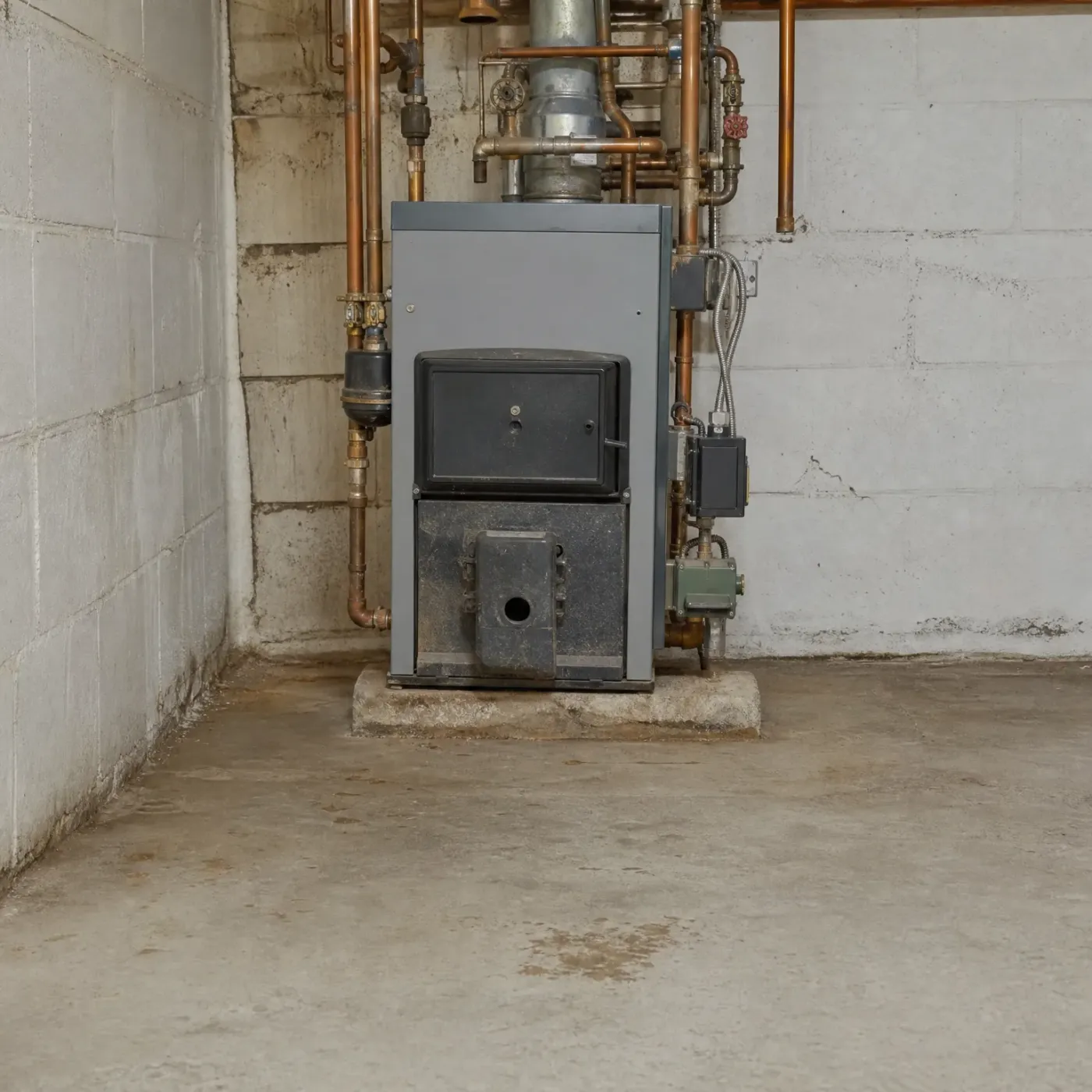
The bang isn't the burner, and it isn't the boiler shell flexing. It's steam collapsing. Inside the heat exchanger, water sits against metal that's often coated with scale, mineral deposits baked on from years of makeup water. That thin layer of water right at the surface heats faster than the water around it because the scale holds the heat in rather than letting it pass through evenly. It flashes to steam before the bulk of the water has caught up. That steam bubble travels a few inches into cooler water and collapses instantly, and the collapse is what you hear as a knock. This only happens while the burner is actively firing and the exchanger is hot, which is why the noise tracks the burner cycle and goes quiet once the water temperature evens out.
Not every bang in the system is kettling, though. Copper pipe expands when it's hot and pulls back when it cools, and if a run is strapped tight against a joist with no room to move, that expansion knocks against the wood every cycle. A return line that's sagged or pitched wrong can trap a pocket of air, and trapped air slams against fittings as pressure shifts through the loop. Water also seeks out the coldest surface in the system, so a radiator in an unheated room or a pipe run through the basement often takes the worst of it, even when the real cause sits back at the exchanger.


Those 12°F nights run your boiler hard and often, and a system firing that much magnifies whatever's already banging. A knock that was easy to ignore in October gets louder and more frequent once the burner's cycling through a cold January night, not because the problem changed but because the boiler's working more.
NOAA nClimDiv 1991-2020 county normals weighted by homes
The bang is scale on the heat exchanger or air trapped somewhere water shouldn't be able to pool, and either way it's worth having someone look before a January cold snap puts the system through its hardest nights. You don't have to spend an evening searching for an oil boiler tech, calling a few numbers, and explaining the same noise three different times to three different people. Fill out the form once and that part of it is off your plate. Someone licensed to work on oil boilers in Vermont takes it from there, and you're not the one chasing quotes or sorting through who actually answers the phone. The noise itself doesn't go away on its own, and it won't fix itself by spring. But finding the right person to deal with it stops being something you have to manage. That's the part this page takes off your hands tonight, while the radiator under the window is still banging and the oil burner is still cycling through the cold.





Explain the job once and skip repeating it on every call.
No charge to send it. You decide if you hire them.