Hand off the boiler problem
Why your boiler won't turn on in a Vermont winter
A boiler that won't fire on a cold Vermont morning usually comes down to one of a few things: a pilot or igniter problem, a pressure or water issue, or a safety switch that's shut it down on purpose. This page walks through what's likely going on and what to check before the house gets too cold. Send the details once and let a local contractor take it from there.
Hand it offA boiler that stays dead on a cold morning is usually telling you something on purpose. Most oil boilers in Vermont will lock out and refuse to fire if the burner fails to ignite a couple of times in a row, or if the flame sensor doesn't see a flame once it tries. That lockout is a safety switch doing its job, not a sign the system is broken beyond repair. Low water pressure will do the same thing, and so will a float switch sitting in a flooded oil tank after a delivery. Cold snaps make all of this worse, because a boiler that's been cycling hard to keep up with single-digit nights has more chances to miss an ignition and trip out. If yours won't start, check for a reset button before anything else. If it trips again after reset, that's a job for someone who can see why it's tripping, not just reset it again.
Thermostat calls for heat and boiler controller wakes up
Oil burner motor starts and the igniter sparks
Burner fails to light or flame sensor loses the flame
Primary control tries again, then locks out after repeated misfires




Why does my boiler lock out instead of just trying again?
You've reset the boiler once already this morning and it fired for a few seconds, then quit again. It's tempting to keep hitting the reset button and hope the next try sticks. But the lockout is there for a reason, and knowing why it happens helps you decide whether this is a one-time hiccup or something that needs a tech out before the house gets cold.
The lockout protects you from oil building up in the combustion chamber
Oil boilers don't just keep spraying fuel and hoping it lights. If the burner tries to ignite and the flame sensor doesn't confirm a flame, unburned oil is sitting in the chamber. Try again without checking that, and you're adding more fuel to a space that already has fuel in it. The primary control is built to stop that. After a couple of failed attempts, it locks out and waits for a person to hit the reset button, because that's the point where it needs an actual look rather than another automatic try. If your boiler locks out more than once in the same morning, that's the system telling you the retry isn't fixing whatever's wrong, not a glitch to click past.
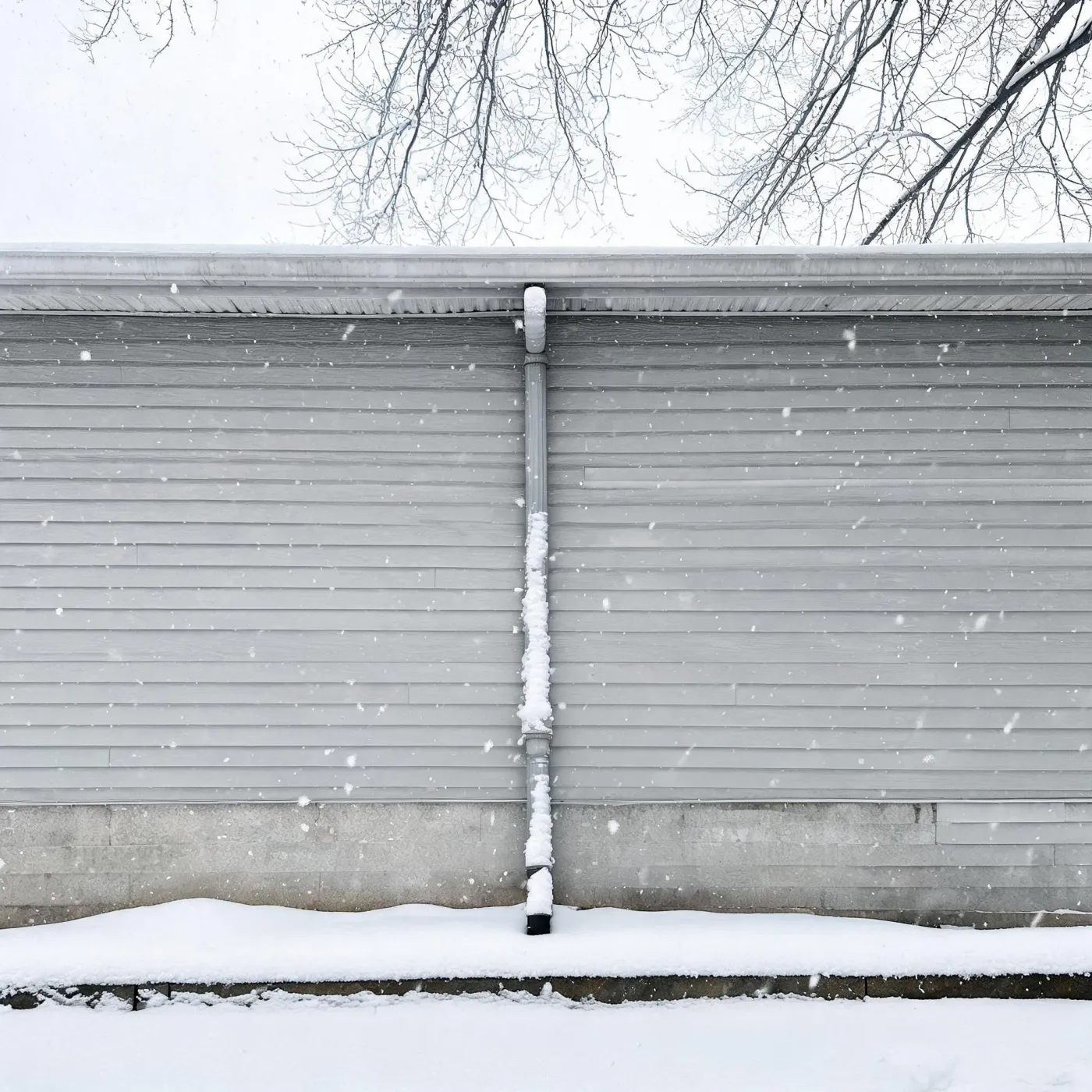
Winter nights average 12°F across Vermont, according to NOAA climate data. At that temperature a boiler isn't cycling on and off a few times a day, it's running long stretches just to keep the house where you want it. That kind of steady demand is hard on an igniter or a flame sensor that's already marginal, and it's often the cold snap that finally pushes a weak part past the point of working. If yours won't fire this morning, the cold didn't cause the problem, but it's probably why you're noticing it today instead of next month. Send in the details and you're done with the search part. A local contractor who works on oil boilers all winter takes it from there.
NOAA nClimDiv 1991-2020 county normals weighted by homes
Send one request and you're done looking
A dead boiler at 12 degrees isn't a wait and see problem. Oil heat means a burner, a pump, and ignition parts that have to work together every single time the thermostat calls, and once one of them quits, the whole unit shuts itself down rather than run wrong. That's the right call by the machine, but it leaves you with a cold house and a repair that isn't a DIY reset job. Finding the right person for oil burner work in Vermont takes more than opening a phone book. The request from this page goes to one local contractor, someone who works on boilers like yours all winter and has seen that exact lockout before, not a list of names for you to call one by one while the house keeps cooling down. You fill in what's wrong, and from there, getting the heat back on is someone else's job to chase, not yours.
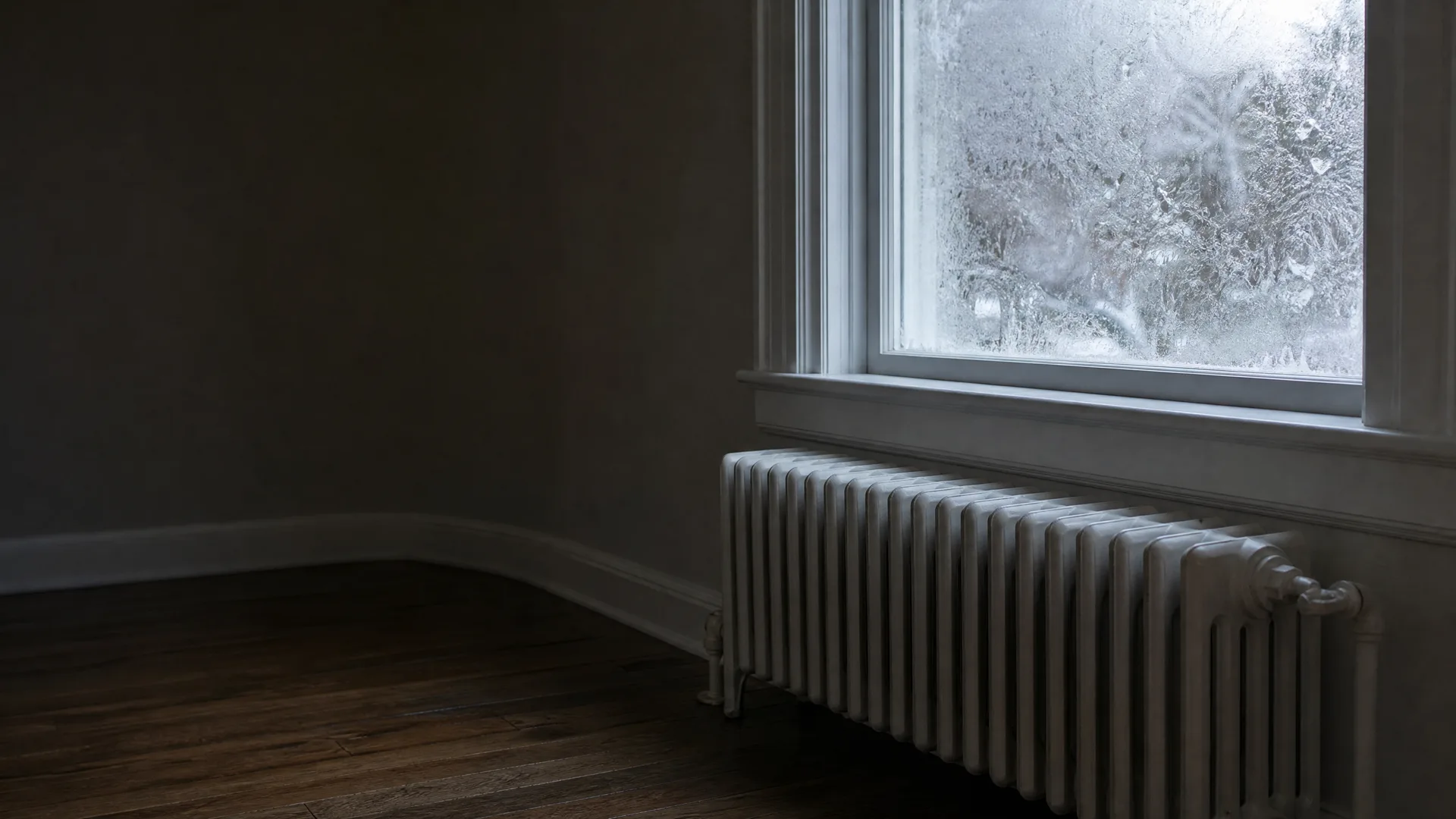
You come down before the woodstove's even going, still in last night's socks. The living room holds the cold the way it does every morning this time of year. Under the window, the cast-iron radiator sits dark and silent. The glass above it has gone white at the edges, a thin frost on the inside of the pane. You put a hand flat on the radiator's ribs anyway, out of habit. Nothing. You check the thermostat, bump it up five degrees, and wait for the tick and hum that usually follows. It doesn't come. Somewhere down in the basement, the boiler is sitting there not doing the one thing it's supposed to do, and the house is going to feel it within the hour.
Winter nights average 12°F statewide
At 12 below on average, your boiler isn't idling between calls for heat. It's running near constantly, and the burner and igniter are firing over and over through the night. A part that's already worn won't make it to morning.
NOAA nClimDiv 1991-2020 county normals weighted by homes
Call for service the same day
A boiler that's locked out and won't reset twice is not a project to put off while you bundle up and wait for a warmer afternoon. The burner, the igniter and the flame sensor all have to work together every time the thermostat calls, and once one of them has failed enough times to trip the lockout, it will keep tripping until someone finds out why. A local contractor who services oil boilers all winter has seen this exact shutdown before and knows which part tends to go first. Getting someone out quickly means the radiators are warm again before the cold has settled all the way into the walls.
Wait and the house gets colder
Leave a locked-out boiler alone and nothing improves on its own. The house keeps losing heat at whatever rate it's built to lose it, and at 12 below overnight that rate isn't slow. Pipes that run through an unheated basement or an outside wall are the first ones at risk once the radiators go cold for more than a few hours. Oil heat doesn't restart itself the way some systems do. It waits for the fault to be found and cleared, and every hour it sits is an hour the people in the house are cold and the home is losing the margin it had against the weather outside.


Where this leaves you
- A boiler that won't fire or keeps locking out is almost always the burner, the igniter, or the flame sensor failing to work together.
- The lockout is the boiler protecting itself, not a glitch to clear by hitting reset over and over.
- At 12 below, a worn part is more likely to fail overnight than on a milder day, so a cold snap tends to be when this shows up.
- A Vermont oil technician who services boilers all winter has usually already seen the exact failure yours is showing.
- You're matched with one licensed local contractor, not a handful of companies competing for the job.
- Once that contractor has the call, finding help stops being something you have to manage yourself.
A boiler that won't fire has a cause. It's the burner, the igniter, or the flame sensor not doing its part when the thermostat calls, and the lockout is the control board catching that and shutting things down before the oil floods in unburned. None of that clears by hitting reset again. Someone has to look at the burner and figure out which part quit.
Oil boilers in Vermont fail this way most often on the coldest mornings, because that's when the burner and igniter are cycling hardest and a worn part finally gives out. A technician who works on these systems all winter has seen this particular failure before, maybe more than once this season alone. That's not a guess about your unit specifically, it's what the burner, igniter and flame sensor are doing on every oil boiler built this way, and what tends to break first when they're pushed.
You're not being handed off to a pool of contractors bidding for the work. One licensed contractor local to your area takes the call, the one whose trucks are already out answering this same problem for other houses nearby this week. That's the contractor who knows what part to check first instead of working through a checklist from scratch.
The cold didn't put something new wrong with your boiler. It just made the part that was already failing fail now, on the morning you needed heat most. Getting someone to look at the burner and the ignition system is what gets the boiler running again, not another round of the reset button.
Finding a pro stops being your job