
Why your radiators won't heat up in Vermont

Step 1 of 3: Equipment

Cold radiators usually mean air trapped inside them, and in a hot water boiler system that air has to be let out through the bleed valve before heat can push through. If bleeding them doesn't fix it, the problem is further up the line. A circulator pump that's failed will stop hot water from moving through the loop at all, so the boiler runs but nothing upstairs gets warm. Low water pressure in the system does the same thing, and so does a zone valve stuck shut if only part of your house is cold while the rest heats fine. With most Vermont homes running on oil, a boiler that's short-cycling or won't fire at all can also point to the burner or ignition side. Since this is the system keeping your house warm through a Vermont winter, a repair that only holds for a few weeks isn't worth much. Getting the actual cause found and fixed matters more than getting it fixed fast.

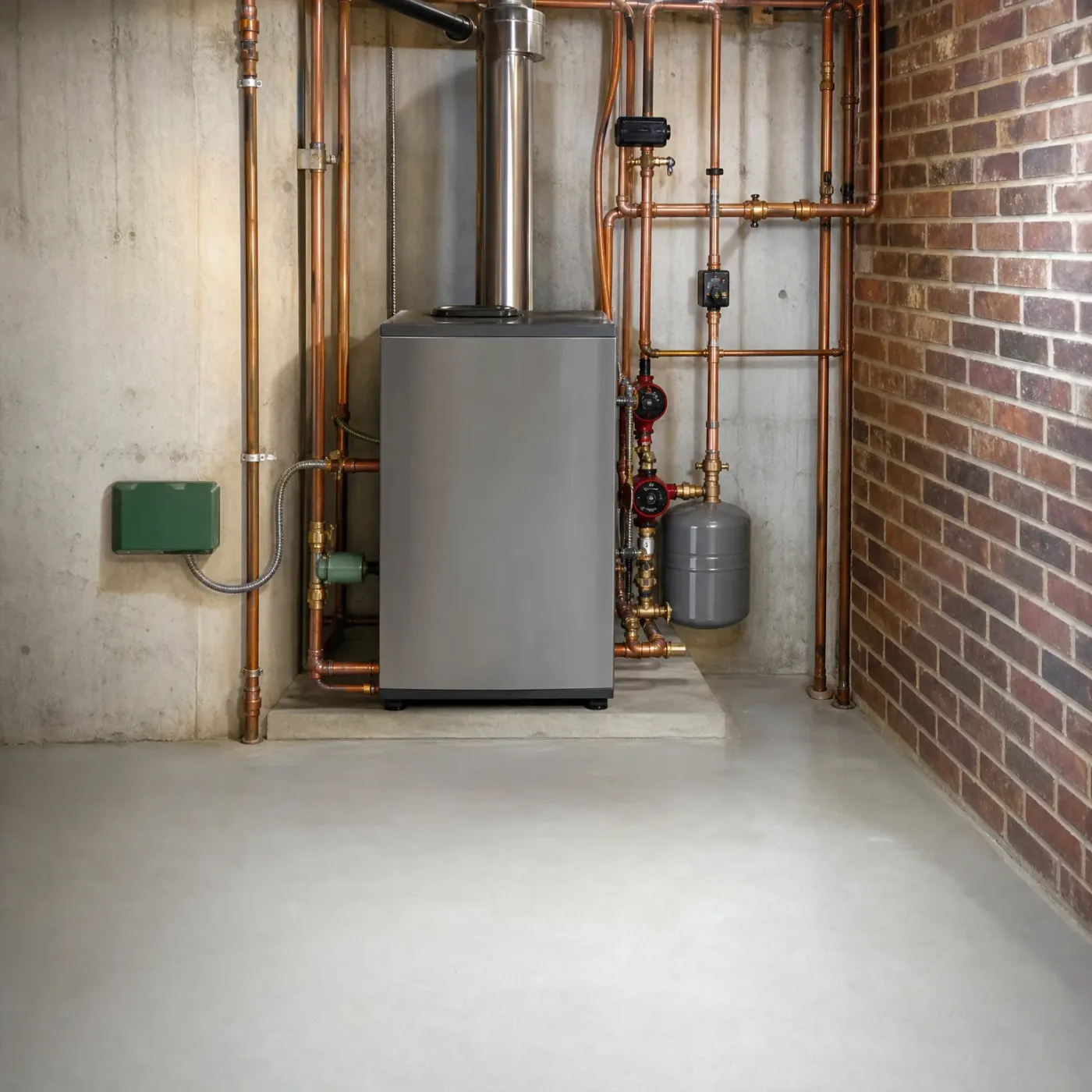
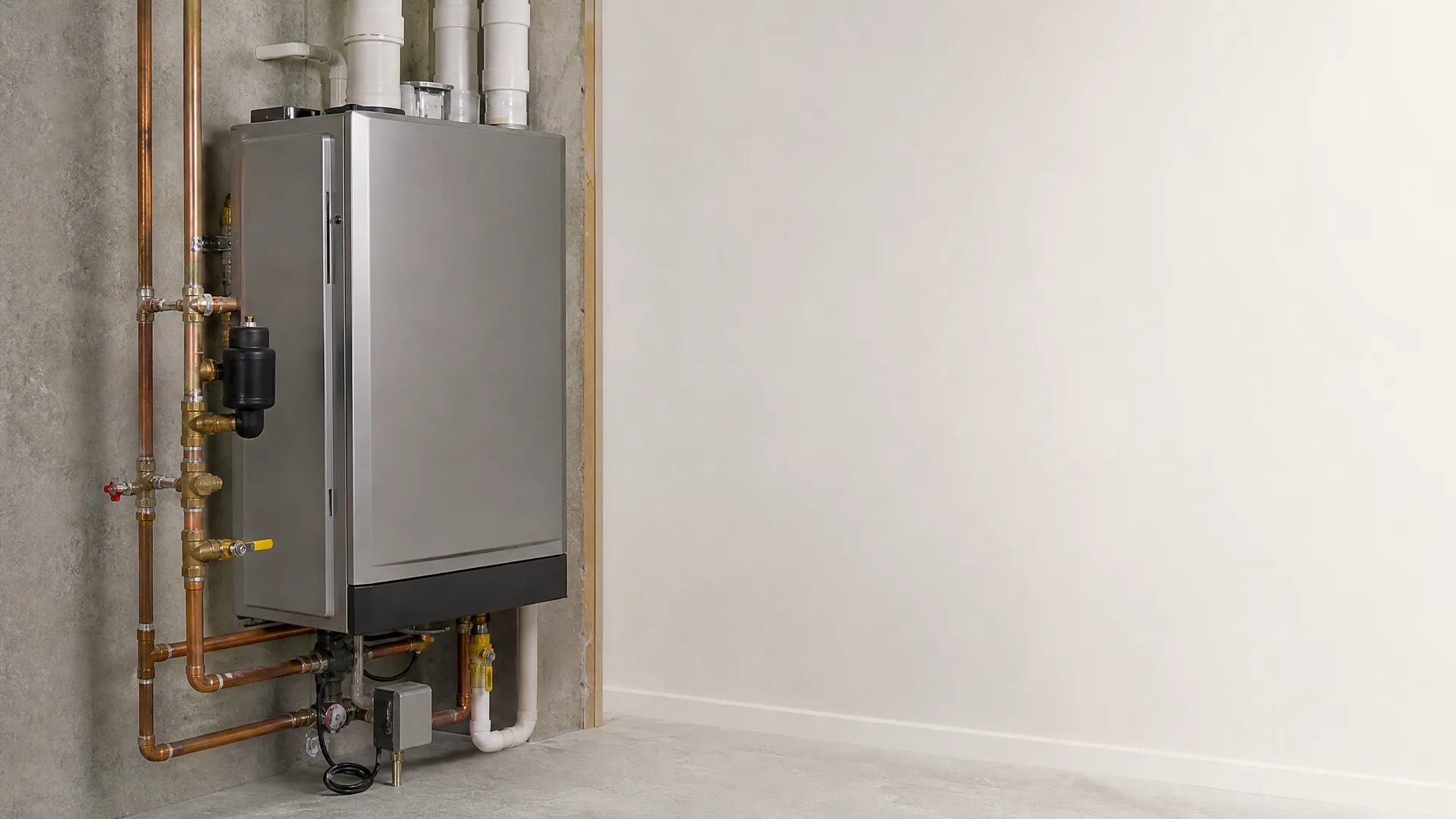
A wall-mounted grey boiler with copper pipework and white flue pipes installed against a concrete wall in an empty room with a plain pale wall to the right.

Why bleeding a radiator works

A hot water boiler pushes water through a closed loop of pipes and radiators. Air gets into that loop and rises to the highest point, which is usually the radiator itself. The air sits at the top of the radiator and blocks water from filling it, so the bottom might feel warm while the top stays cold. Opening the bleed valve lets that trapped air escape until water reaches the opening. Once it does, the whole radiator can fill and heat evenly.

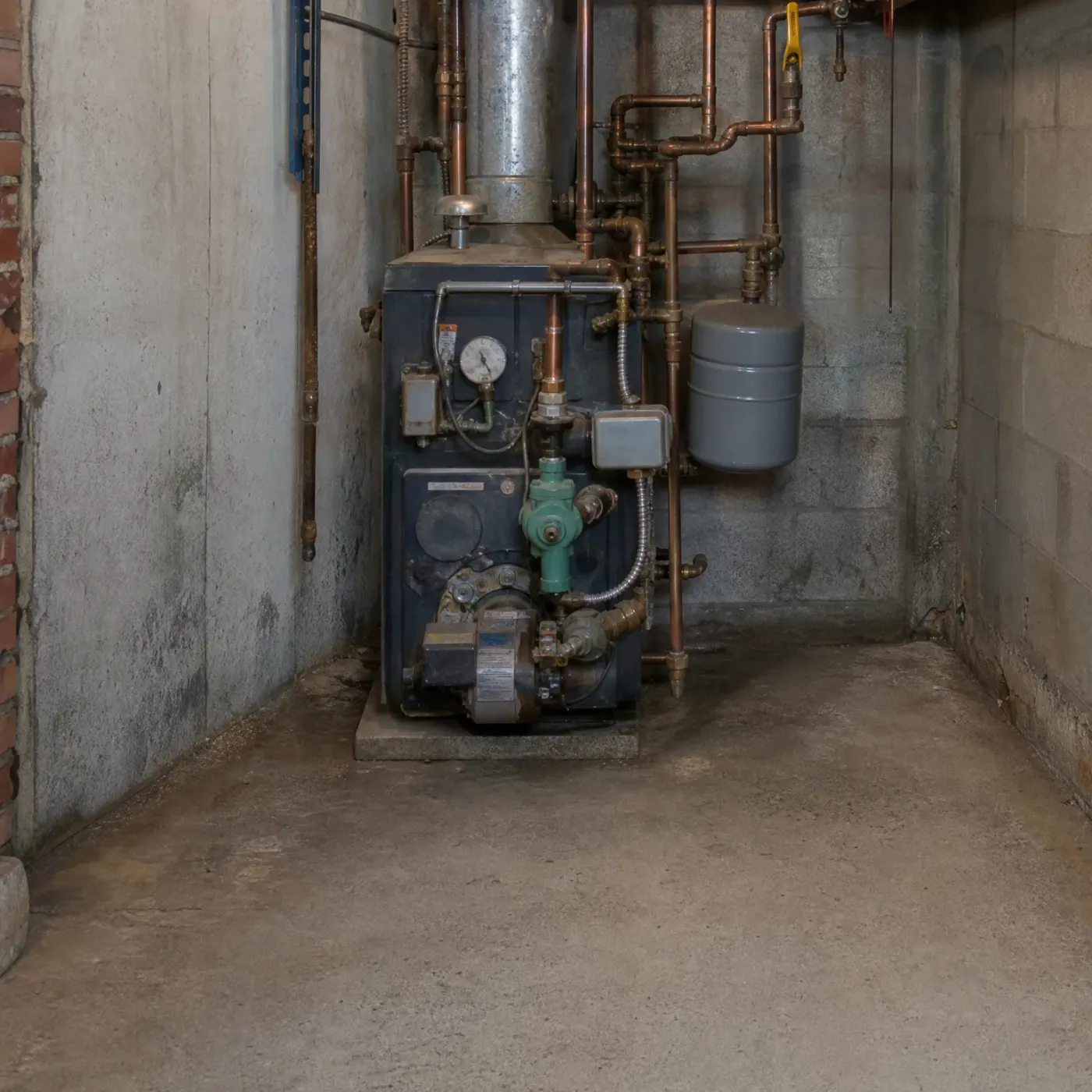
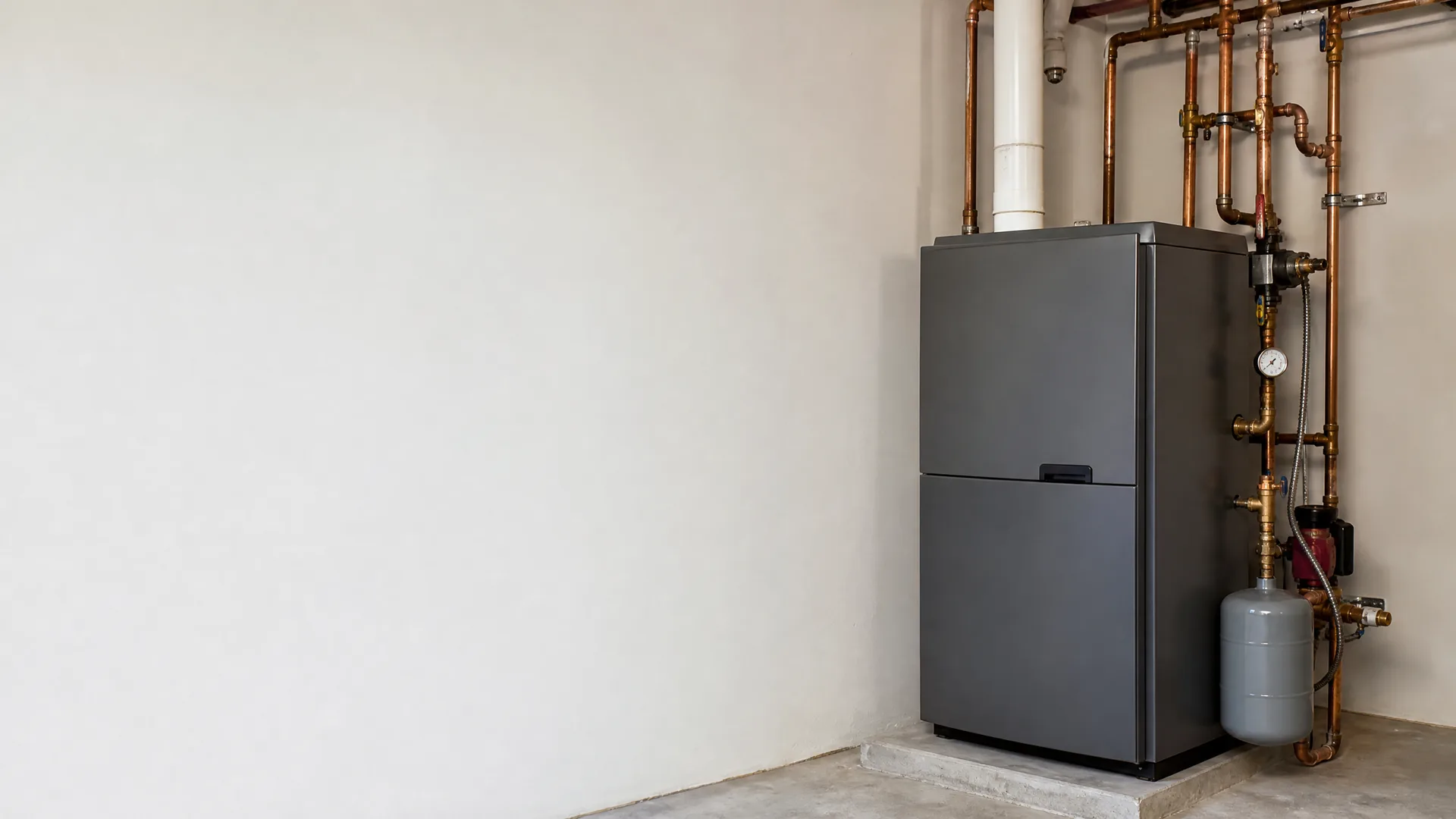
A dark grey boiler unit stands on a concrete pad against a plain light wall, connected to copper pipes, a pressure gauge, a pump and a grey expansion tank.

When one zone runs cold

If every radiator on one loop is cold while others in the house work fine, bleeding won't help. That points to a zone valve stuck shut or a circulator pump that has failed on that loop. The circulator is what actually moves hot water out from the boiler, and if it stops turning, water sits still and the radiators past it never get hot no matter how long the boiler runs. Vermont winters mean a stuck zone valve gets noticed fast.

Bleed It or Call for Repair

Bleed it yourself

  • A radiator key fits the bleed valve on most Vermont homes and turns the job into five minutes per radiator.
  • You can hear the hiss of trapped air change to a thin stream of water, which tells you that radiator is done.
  • It costs nothing beyond the key itself, and you can work through every radiator in the house in one afternoon.
  • If the cold spot comes back within a few days, that points to a problem the bleed valve can't fix.
  • A circulator pump that's failing or a boiler losing pressure will keep pulling air back into the loop no matter how often you bleed it.

Call someone qualified

  • A contractor who works on oil boilers all winter in Vermont has seen which part usually fails when bleeding doesn't hold.
  • They can pressure test the system and check the circulator pump, which isn't something a radiator key tells you.
  • With oil heat and power rates what they are here, a boiler that's cycling air back in in is burning fuel it doesn't need to.
  • You get matched with one local, licensed contractor for your situation, not a list of several companies calling at once.
  • A system that keeps losing pressure or air points to a leak, and that's a repair, not a maintenance step.
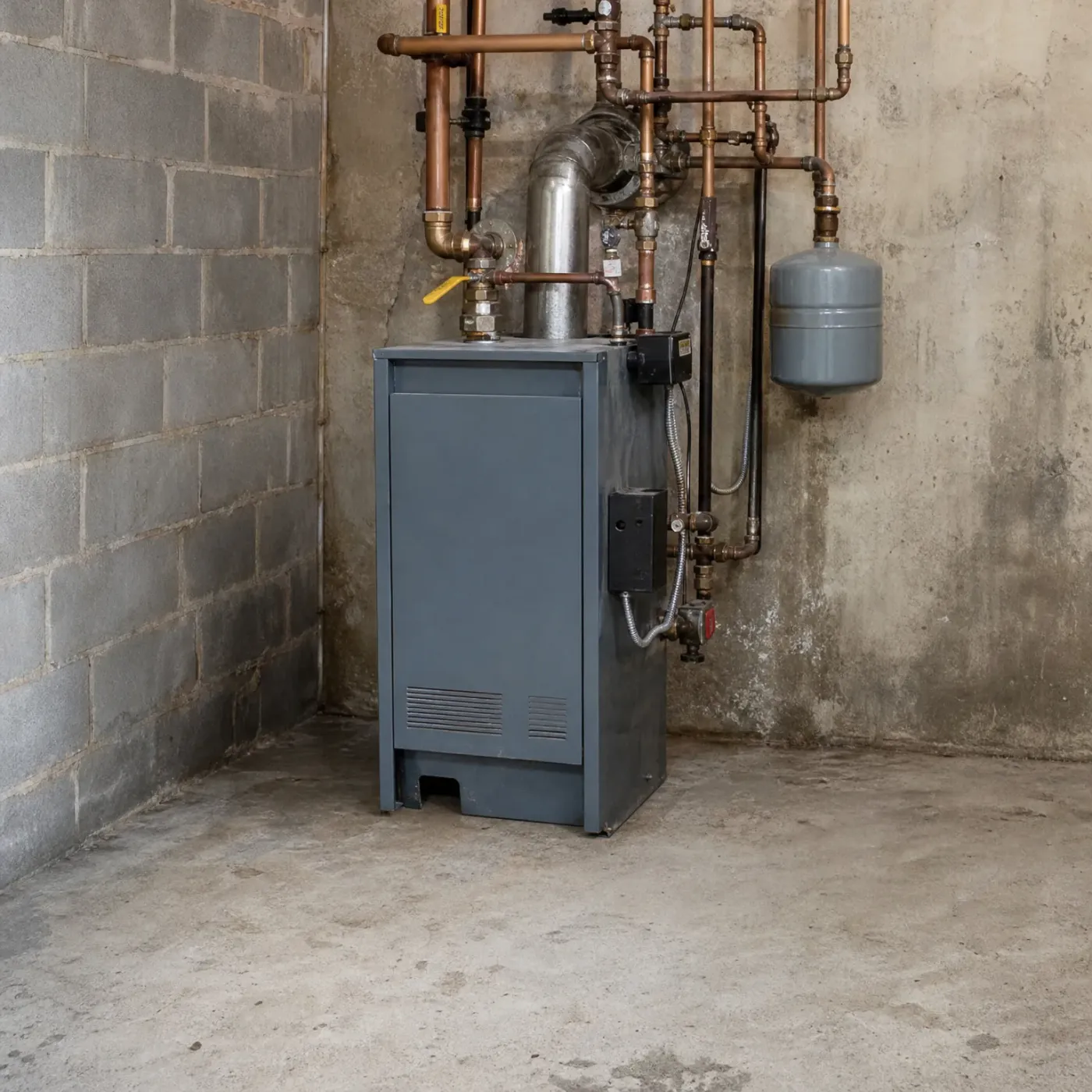
A gray boiler unit on a concrete pad in a basement corner, connected to copper piping, circulator pumps, and a ceiling-mounted expansion tank against bare concrete walls.

Pressure and flow holding

Water moves through the loop and every radiator gets hot top to bottom. The gauge sits in its normal range, the circulator pump runs quiet, and the pipes behind the boiler carry heat without a knock or a gurgle. This is what a system looks like when nothing is fighting the water.


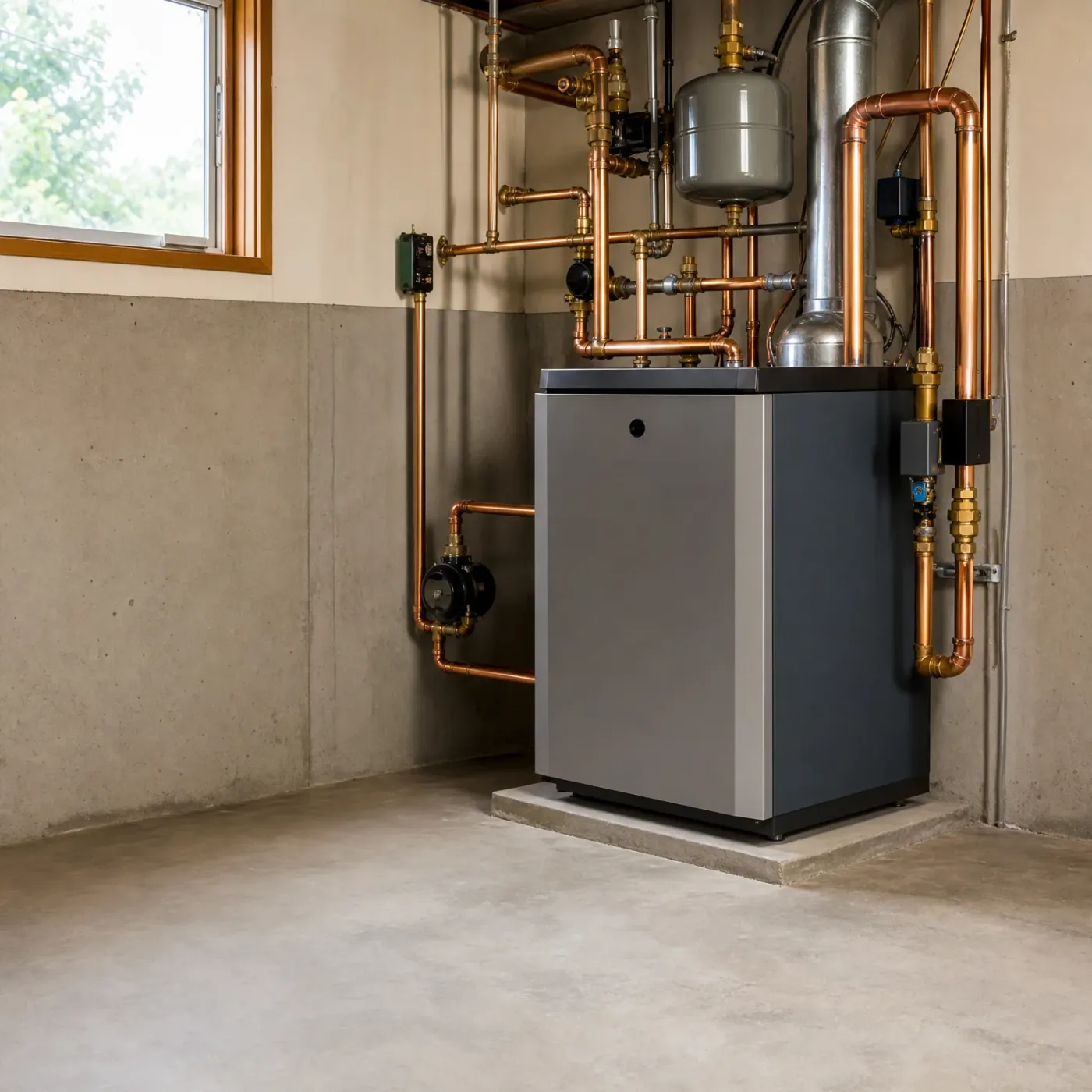
A blue oil-fired boiler with a pressure gauge, burner unit and metal flue sits on a concrete pad in a basement corner, surrounded by copper and black pipes against bare concrete walls.

Something further up the line

The gauge reads low, the burner assembly cycles oddly, or the circulator pump near the piping has gone quiet. Any of these can stop hot water from ever reaching the radiators, no matter how much air you bleed out. A Vermont boiler tech can trace it from the pump back to the burner and find which one it is.

Why is one room cold while the rest of the house is warm

You've probably noticed it room by room. The radiator in the back bedroom stays cool at the bottom no matter how long the boiler runs, while the one in the living room gets hot end to end. You might hear a gurgle in the pipes when the system kicks on, or a knock somewhere behind the wall. The thermostat says the house should be warm, but that one room never quite gets there, so you nudge the setting up a few degrees to compensate. On oil heat, that habit adds up fast over a Vermont winter. Left alone, a boiler working harder than it should also wears its parts down faster, which turns a small fix now into a bigger one later.

A gray-haired man in a dark sweater sits on a light gray sofa in a living room, looking toward a sunlit window with trees outside.
A gray-haired man in a dark blue sweater sits on a light gray sofa in a sunlit living room, looking off to the side, with a potted plant, shelving unit, and large glass doors behind him.
A bearded man with graying hair in a dark green sweater sits on a sofa in a living room, looking off to the side, with a sliding glass door and a dim kitchen doorway behind him.
A gray-haired man in a dark knit sweater sits on a light gray sofa in a living room, looking toward a sunlit window, with houseplants, a lamp, and framed art in the background.

Get the right pro for your boiler

Only one pro gets your request, so you hear from one company.

There's no charge for the request.

One cold radiator or all of them

If just one radiator stays cold while the rest of the house heats fine, the problem is usually local to that radiator. Air trapped at the top, a bleed valve that's stuck, or a shutoff valve someone closed years ago and forgot about. These are the cases bleeding fixes, or a contractor clears in one visit. If every radiator in the house is lukewarm or cold, the problem sits further back, at the circulator pump, the boiler itself, or the pressure in the system. That's not a job for a radiator key. It calls for someone who can trace the loop from the boiler out and find where it's losing flow or pressure.

Oil boiler problems versus gas

Most boilers in Vermont run on oil, and oil systems fail in their own ways. A clogged nozzle or a dirty filter can choke fuel delivery and shut the burner down, which means no heat anywhere, not just weak heat in one room. Soot buildup on the heat exchanger cuts how well the boiler transfers heat to the water, so it runs longer to do less. These are different failures than a gas boiler sees, and they need someone who services oil equipment specifically. A local contractor who works on oil boilers all winter knows which of these to check first, instead of guessing through a list of parts that fit any system.

A middle-aged woman with shoulder-length dark hair, wearing a gray cardigan over a cream top, sits in an upholstered armchair and looks toward a sunlit window, with a shelf holding framed pictures and a plant behind her.
A woman and a child wrapped together in a thick knitted blanket on a sofa, both with eyes closed, with a lit table lamp and houseplant in the dim background.
A gray boiler on a concrete pad in a basement, connected to copper piping, valves, pumps and a gray expansion tank, with a concrete wall on the left and a brick wall on the right.
Copper lines run clean to every radiator and the pump keeps steady pressure through the loop.
A dark cast-iron boiler with copper piping, pressure gauge, and a gray expansion tank sits on a concrete pad in a basement corner with concrete block and brick walls.
Pitted copper and a dated circulator around the boiler point to wear that bleeding a radiator won't fix.
  1. The boiler burns oil to heat water inside its tank.

  2. The circulator pump pushes that hot water into the pipe loop.

  3. Hot water travels through supply pipes to each radiator.

  4. Water enters the radiator and fills it from the bottom up.

A gray floor-standing boiler in a basement corner with copper and black piping above it, a flue vent, and a gray expansion tank mounted on the concrete wall beside a concrete block wall.
Before you get your boiler repair
A gray floor-standing boiler on a concrete pad in a basement corner, connected to copper piping, brass valves, a circulator pump, an expansion tank, and a metal flue, with a window at upper left.
After you get your boiler repair

Winter nights average 12°F statewide

At 12°F overnight, your boiler is running long hours just to keep the loop hot. If air in a radiator is blocking flow, that radiator stays cold while the rest of the house works to make up the difference, and your oil use climbs with it.

NOAA nClimDiv 1991-2020 county normals weighted by homes

A woman in a cream sweater and jeans stands in the open doorway of a white stucco house, holding the dark door, while a man in a dark quilted jacket seen from behind walks toward the entry past potted plants.

A cold radiator has a cause, and it can be found

Bleeding a radiator fixes most of these calls in Vermont. When it doesn't, the cause sits further up the loop, in the circulator pump, the pressure, or a valve nobody has touched in years. Either way, the system is telling you something specific, not failing at random.

A boiler tech who works on these systems all winter has seen your exact setup before, oil-fired, closed loop, radiators original to the house or close to it. That's who gets matched to your request, one contractor local to Vermont, not a handful of companies competing for your callback. They'll look at your pressure gauge and your coldest radiator and know within a few minutes which of these it is.

Interior corner of a living room with a beige upholstered sofa and dark cushion in the foreground, a ceramic vase of leafy branches on a dark side table by a curtained window, a framed picture on the wall, and a wood-surround fireplace at right.
Kitchen corner with cream upper cabinets, oak lower cabinets, white marble-look countertop, beige tile backsplash, a ceramic vase of greenery, a wooden cutting board and bowl, and a black-framed window at right.
Interior corner of a room with a white-framed window and wide sill, beige walls with panel molding, a wooden cabinet holding a ceramic vase with a green leafy plant, and blurred shrubs and trees outside.
A wood-framed armchair with beige cushions and a woven lumbar pillow sits in a corner beside a large window overlooking green trees, with a tall ceramic vase holding leafy branches on the left and plaster walls and wood flooring.
Interior corner with a white-framed window above a sill, beige walls with baseboard molding, a greige shaker-style cabinet with brass knobs and a potted plant on top, light wood flooring and a woven jute rug.
A dark-framed six-pane window with white trim and sill set in gray horizontal lap siding, with hydrangea shrubs below and a white column and shingled roof section at left.

A pro who works on boilers

Your request stays with one local pro.

Find a licensed pro

You only hire the pro if you want to.