Tell us about the job
Takes about a minute. No obligation.
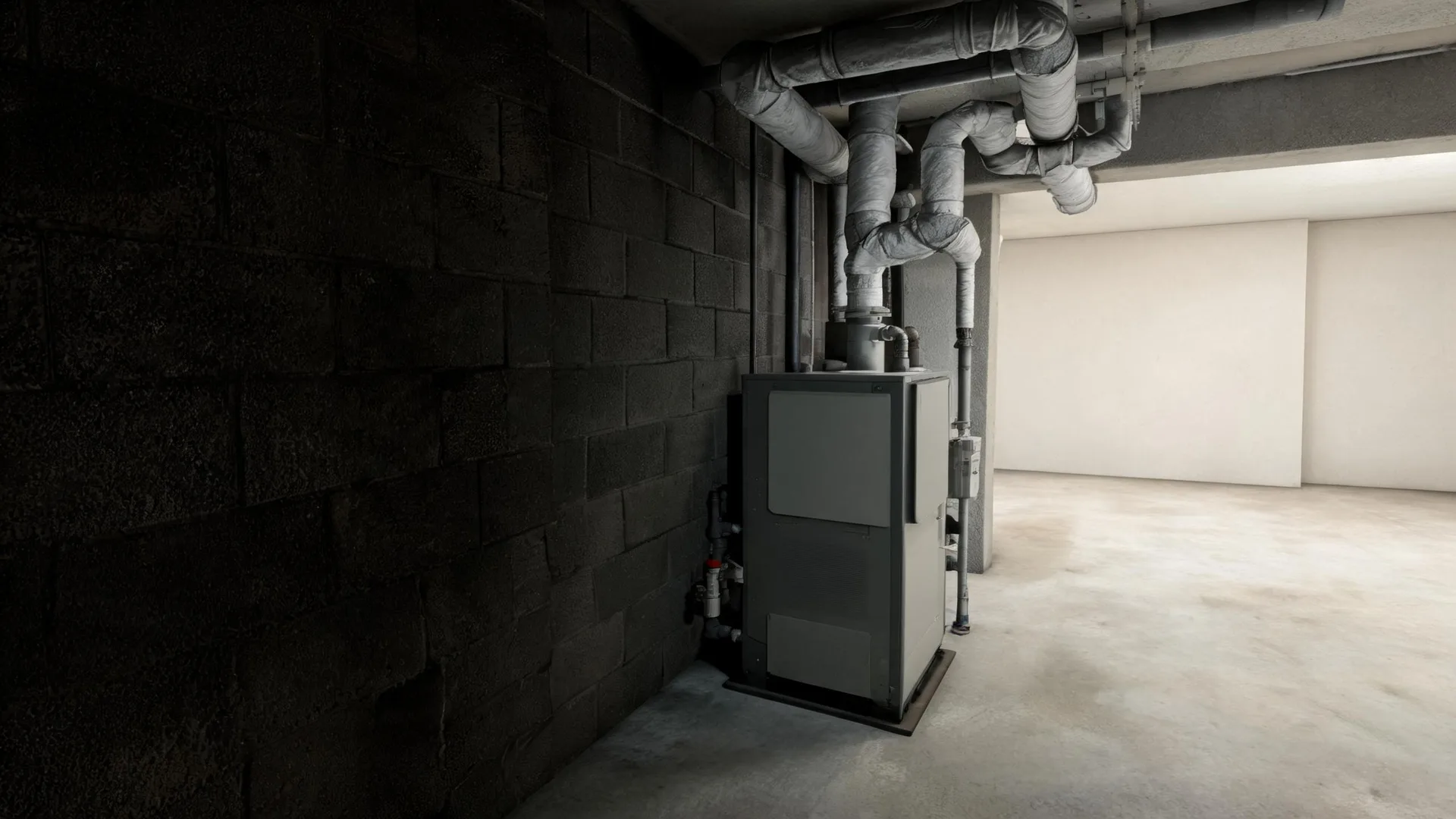
Homes in Rutland County, VT run heat about nine months a year, from September through May. A boiler cycling through a season that long puts measurable strain on the burner assembly and the ignition system first. The heat exchanger takes repeated thermal expansion and contraction across every firing cycle, and a contractor inspecting one here will check it for fatigue cracks before moving to secondary components. Ignition failures and burner faults are the most common findings, not because the equipment is poor quality, but because those are the parts that work hardest and rest least.
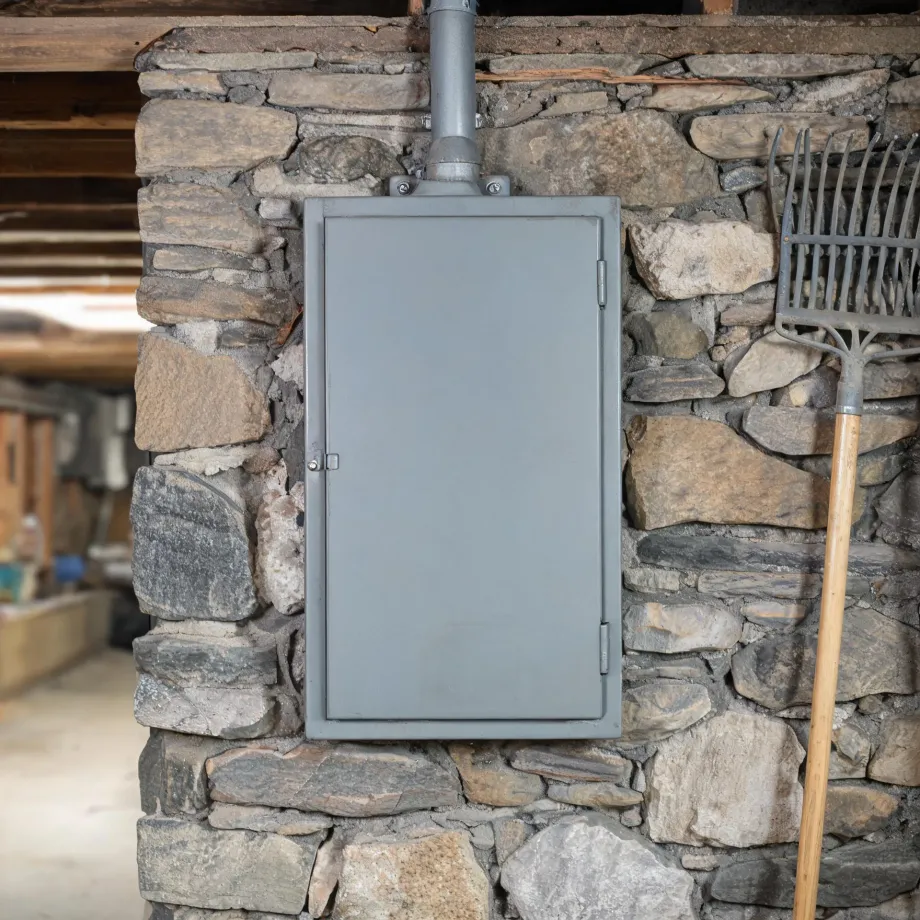
Boilers in stock this old are frequently running on original piping, original zone controls, or both. Half the homes in Rutland County, Vermont were built in 1969 or earlier (2020-2024 ACS 5-year). A contractor who opens a unit here has to work out whether the components it needs are still in production, and if they are not, whether a partial replacement or a workaround is the right path. That answer shapes the bill more than anything else about the job.
The Parts of a Boiler a Contractor Checks During a Repair
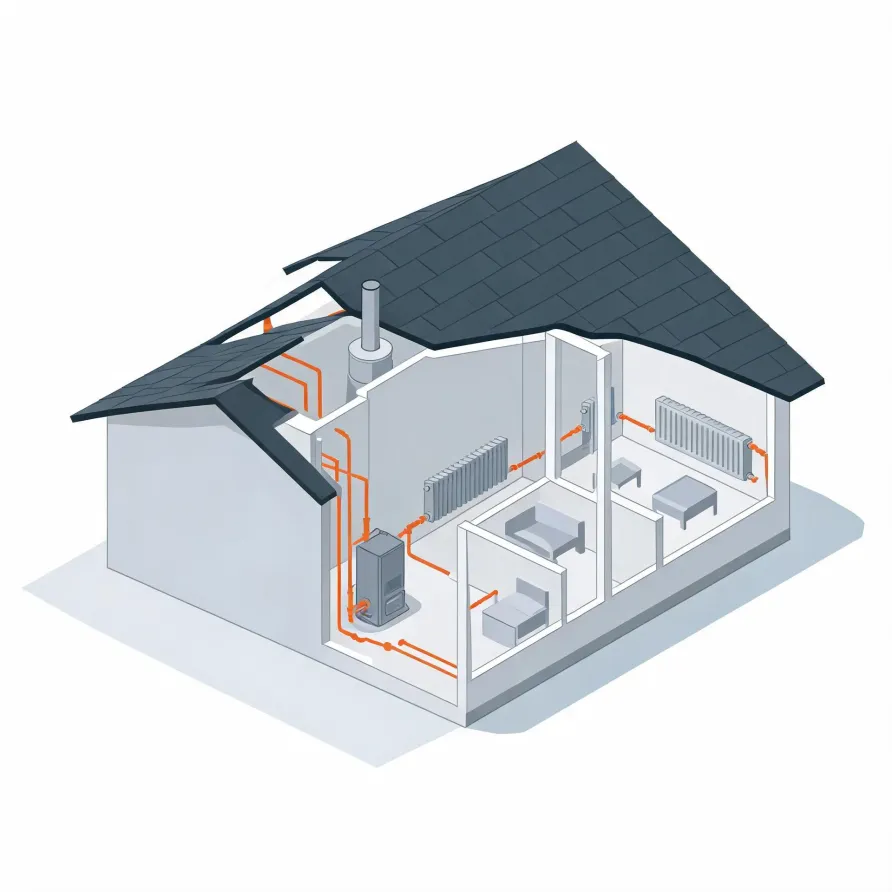
The boiler itself sits in the basement or a mechanical room and is the piece a contractor goes to first. Inside it, the heat exchanger and the burner assembly are the components that do the core work, and when either one fails, the whole system feels it. The circulator pump, which moves heated water out through the pipes, is another early stop.
The expansion tank hangs near the boiler and keeps pressure from building past safe levels. The thermostat, mounted on a living-space wall, tells the system when to fire and when to stop, and a faulty one can mimic deeper problems. Zone valves, where they exist, sit along the supply lines and control which parts of the house receive heat.
The drawing shows a representative layout, and a licensed contractor determines which components apply and need attention in your specific home.
Find a contractor in Rutland CountyRutland County by the Record
178 severe weather events were recorded in Rutland County, Vermont between 2015 and 2024.
NOAA National Centers for Environmental Information, Storm Events Database, bulk CSV export, events 2015-01-01 through 2024-12-31.Half the homes in Rutland County, Vermont were built in 1969 or earlier (2020-2024 ACS 5-year).
U.S. Census Bureau, 2020-2024 American Community Survey 5-Year EstimatesRutland County, Vermont holds 33,991 housing units (2020-2024 ACS 5-year).
U.S. Census Bureau, 2020-2024 American Community Survey 5-Year EstimatesOwners occupy 75.1% of the occupied homes in Rutland County, Vermont (2020-2024 ACS 5-year).
U.S. Census Bureau, 2020-2024 American Community Survey 5-Year EstimatesCodes & Licensing for Boiler Repair in Rutland County, Vermont2 sourced rules and standards
Licensing Rules for Boiler Repair in Rutland County, Vermont
Vermont splits the trade across two specialty licences and a contractor may hold one without the other: field A1 covers automatic gas or oil heating including geo-thermal and ground source heat pumps, and field C3 covers refrigeration or air conditioning including air-to-air heat pumps.
Vermont reaches HVAC work through its electricians’ licence rather than an HVAC licence, and the requirement stops at the front door of a house: anyone performing electrical work in Vermont must be licensed as an electrician unless the work is in a residential building containing two or fewer dwelling units.
Severe Weather Events in Rutland County
Vermont winters put real strain on boiler systems, and the weather a county sees over time shapes how hard that equipment has to work. Repair needs here are not abstract, they follow from what the climate actually does to the hardware.
178 severe weather events, 2015–2024. Source: NOAA National Centers for Environmental Information, Storm Events Database.